Smartphone Reviews
Sony Xperia 1 VIII Review: A Bold Return with Mineral Aesthetics and Upgraded Telephoto
Sony's eighth-generation flagship brings a striking new design language, a significantly improved telephoto lens, and thoughtful AI-assisted photography. A premium device that signals Sony's commitment to the smartphone market.
Introduction
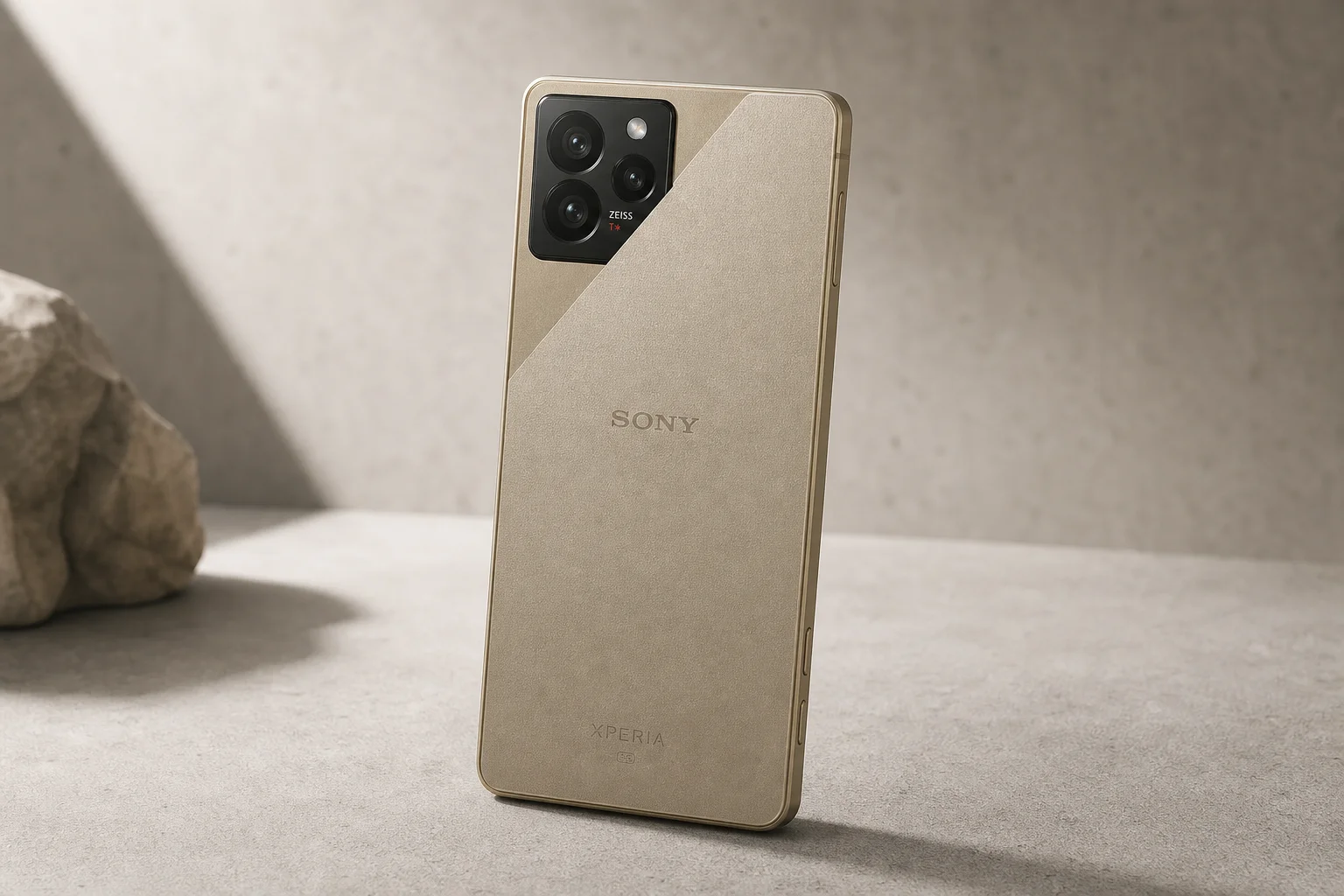
Sony’s Xperia 1 VIII arrives as a statement of intent. After years of incremental updates, the company has made deliberate changes to its flagship smartphone, signalling a renewed commitment to the market. The new mineral-aesthetic design language, a substantially upgraded telephoto lens, and thoughtful AI-assisted photography features represent a shift in direction. Whether these changes justify the premium price positioning is the central question.
Design and Build: The Mineral Aesthetic
The most striking change is the new back design, which Sony calls the mineral aesthetic. The camera module has moved from the traditional vertical arrangement to a square island positioned in the upper left corner, with a diagonal cut connecting it to the metal frame. This design language draws inspiration from stone and mineral surfaces.
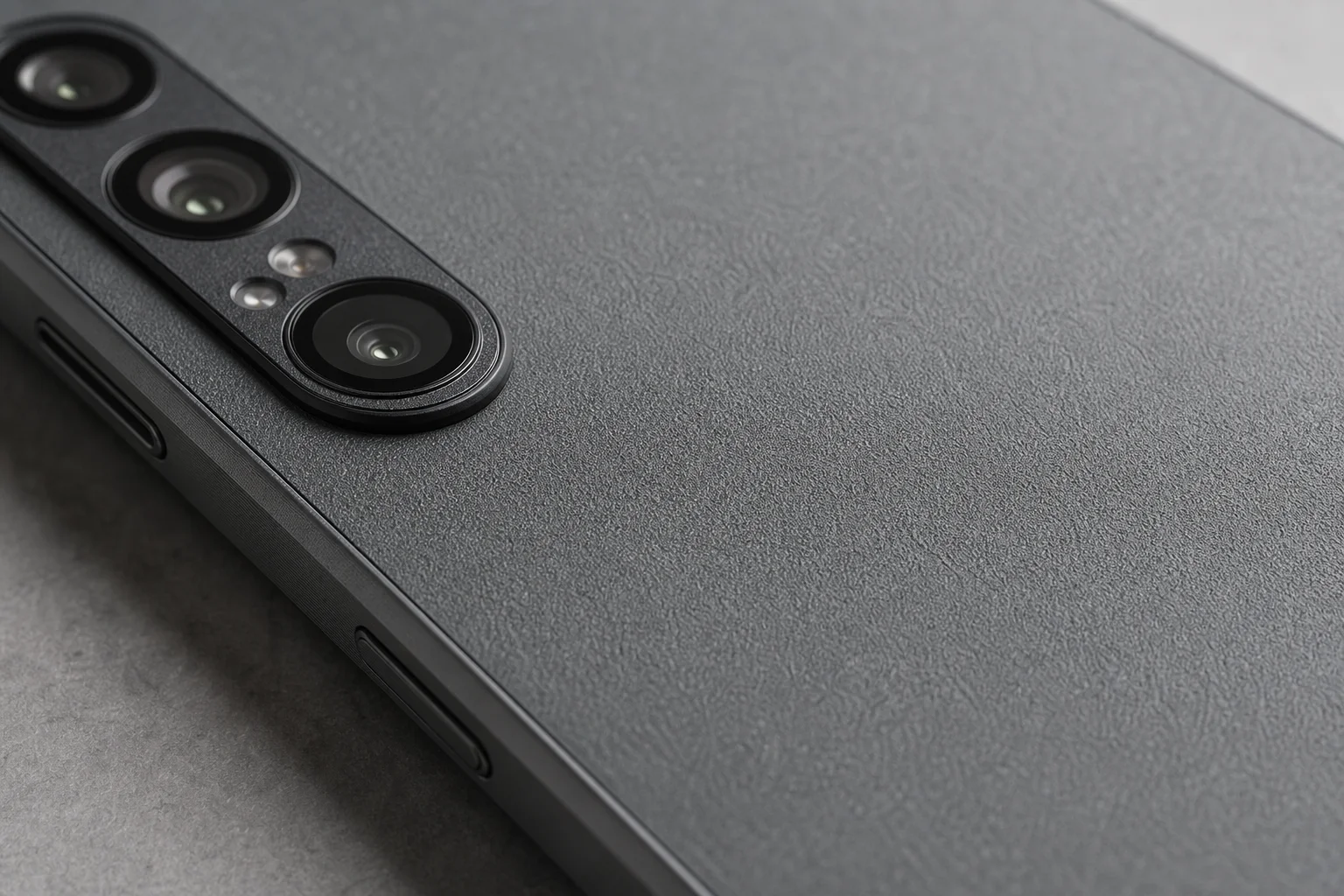
What makes this design particularly noteworthy is the material treatment. Despite using conventional glass and metal construction, Sony has applied a coating or finishing technique that makes both materials feel and look identical. The surface has a granular, stone-like texture that is genuinely unusual. When you run your fingers across the back, the glass and metal frame feel indistinguishable, creating an almost monolithic impression. This textured finish also has practical benefits: minor scratches and scuffs are far less visible than they would be on a smooth glass surface, making the device more forgiving in daily use.
The colour palette includes natural gold, violet (iolite), pomegranate red, and obsidian black. The pomegranate red is particularly striking, offering a tasteful alternative to the more conventional options.
Camera System: Telephoto Upgrade
The main, ultra-wide, and selfie cameras remain unchanged from the previous generation. The meaningful upgrade is in the telephoto lens. Sony has increased the resolution to 48 megapixels, up from 12 megapixels, and upgraded the sensor to a larger 1/1.56-inch IMX906, compared to the previous 1/3.5-inch sensor. The aperture is f/2.8.
However, there is a trade-off: the new telephoto lens is fixed at a 70mm equivalent focal length (approximately 2.9x magnification) without optical zoom. The previous generation offered internal optical zoom. The new lens can achieve 140mm equivalent (5.8x) through sensor cropping, but this is digital magnification rather than optical.
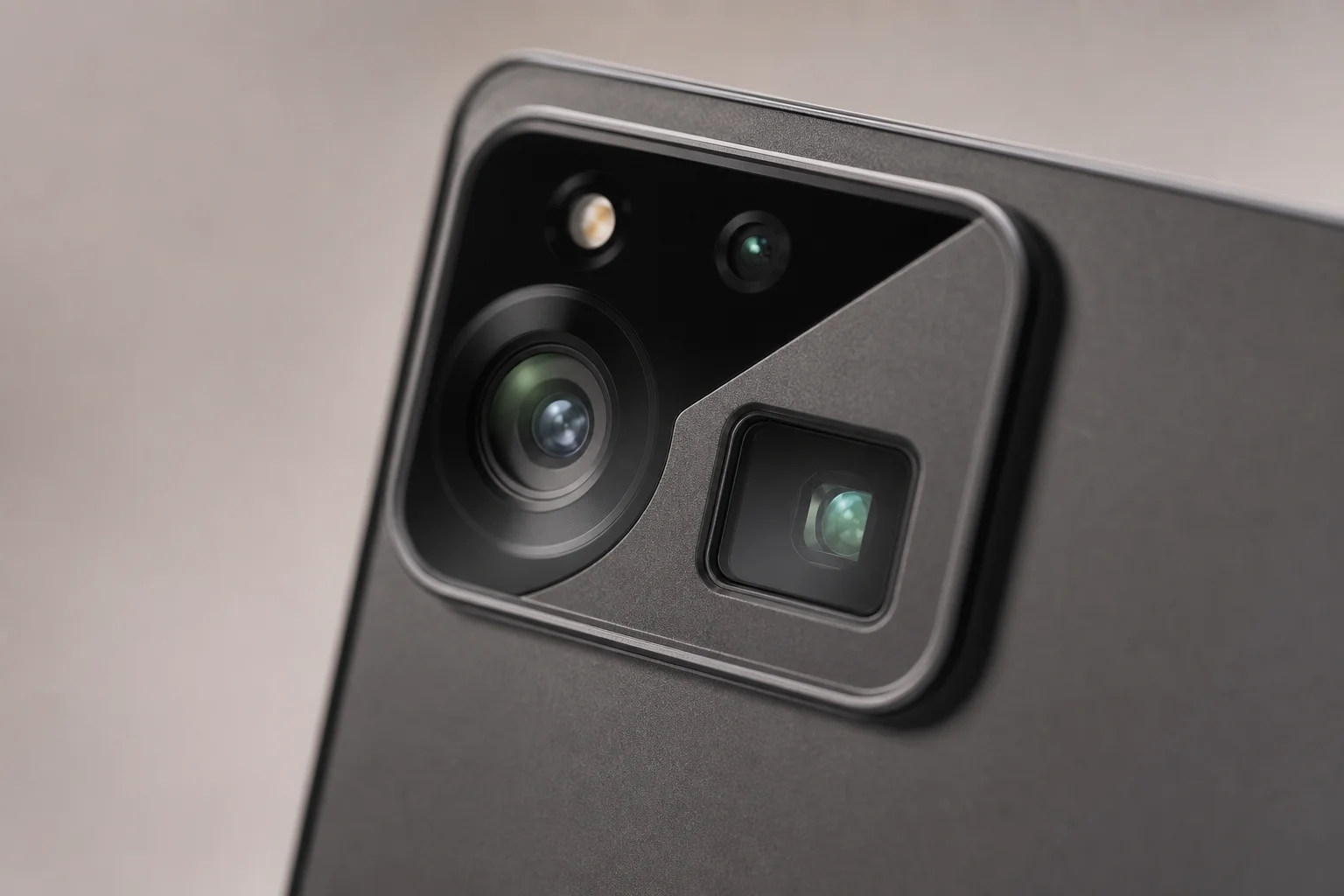
In practical testing, the upgrade is immediately apparent. Daytime shots are noticeably cleaner and sharper, with more natural highlight rolloff rather than the clipped highlights of the previous generation. The improvement mirrors what you would expect from a larger sensor and higher resolution.
The night photography improvement is even more pronounced. The Xperia 1 VIII produces significantly cleaner images with better noise control and superior highlight recovery. The larger sensor and wider aperture also reduce the exposure time needed in night mode, resulting in fewer motion artifacts from hand-shake.
The macro mode has also been refined. The minimum focus distance has increased from 4cm to 15cm, but this is offset by the ability to use the telephoto lens for macro work without requiring a dedicated macro mode. The autofocus is now available in this mode, making it easier to capture close-up detail.
AI Photography Assistant and Software
Sony has integrated an AI photography assistant into the camera interface. Unlike some competitors’ approaches, this feature is subtle and non-intrusive. The AI analyzes the scene in real-time and suggests four different colour profiles based on what it detects. You can preview these suggestions and apply them, or ignore them entirely.
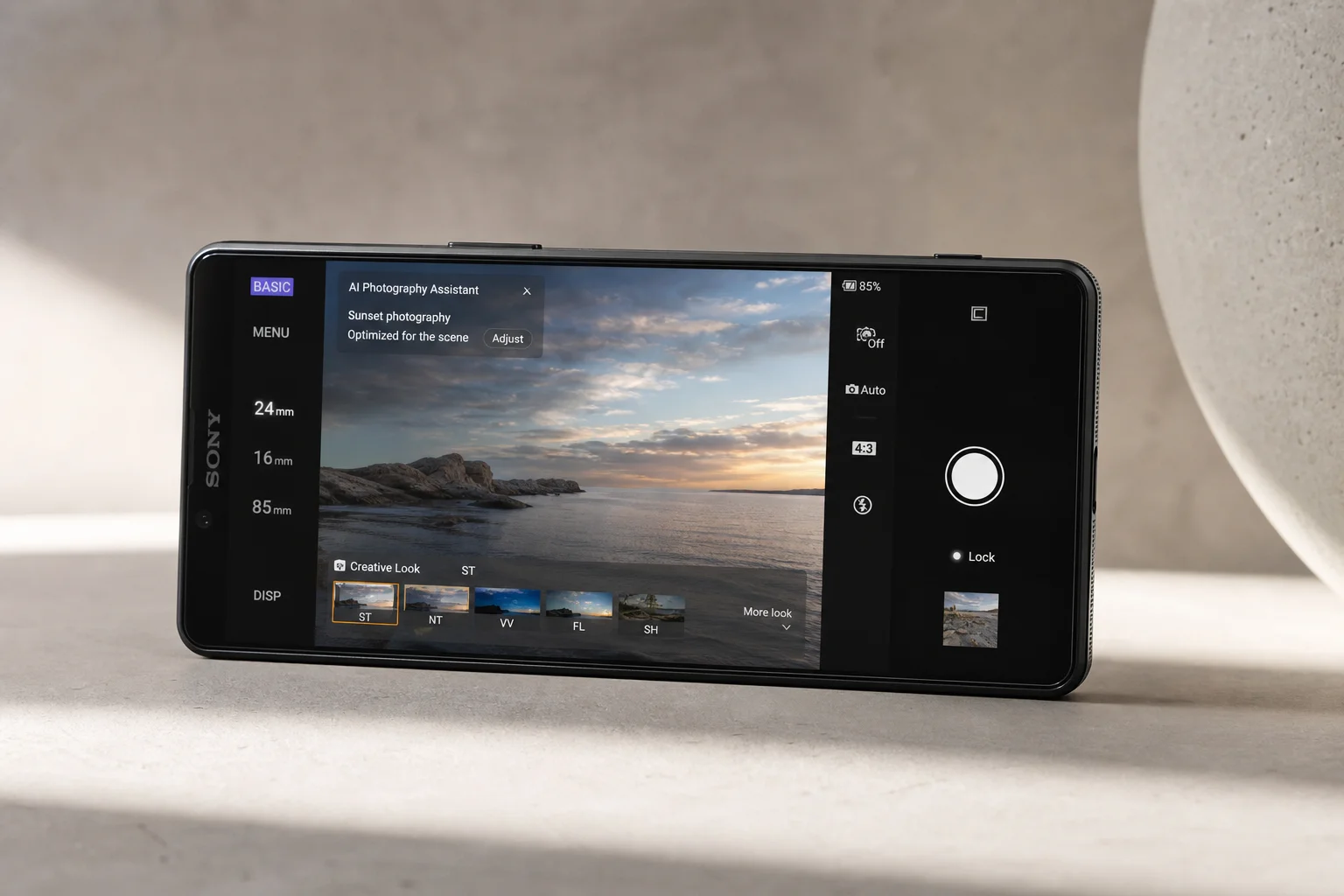
The AI also automatically applies and adjusts bokeh when it detects a clear subject, and occasionally suggests different focal lengths, though this recommendation feature appears rarely in practice. The colour profiles themselves draw from Sony’s existing Creative Look presets, particularly the Film and Instant styles, but with adjustable parameters rather than fixed settings.
The implementation avoids the aggressive marketing of AI features seen elsewhere. If you prefer not to use these suggestions, you can disable them without friction. The feature enhances the experience without imposing itself.
During extended testing in studio conditions, the device showed no thermal warnings or excessive heat buildup. Whether it will handle Hong Kong’s summer heat remains to be seen.
Hardware Refinements and Connectivity
The processor is the Snapdragon 8 Elite Gen 5, offering the expected performance and AI improvements over the previous generation. The speaker system has been upgraded, with the top speaker now producing louder output and better stereo balance when holding the device horizontally. The overall volume is increased and the bass response is more pronounced.
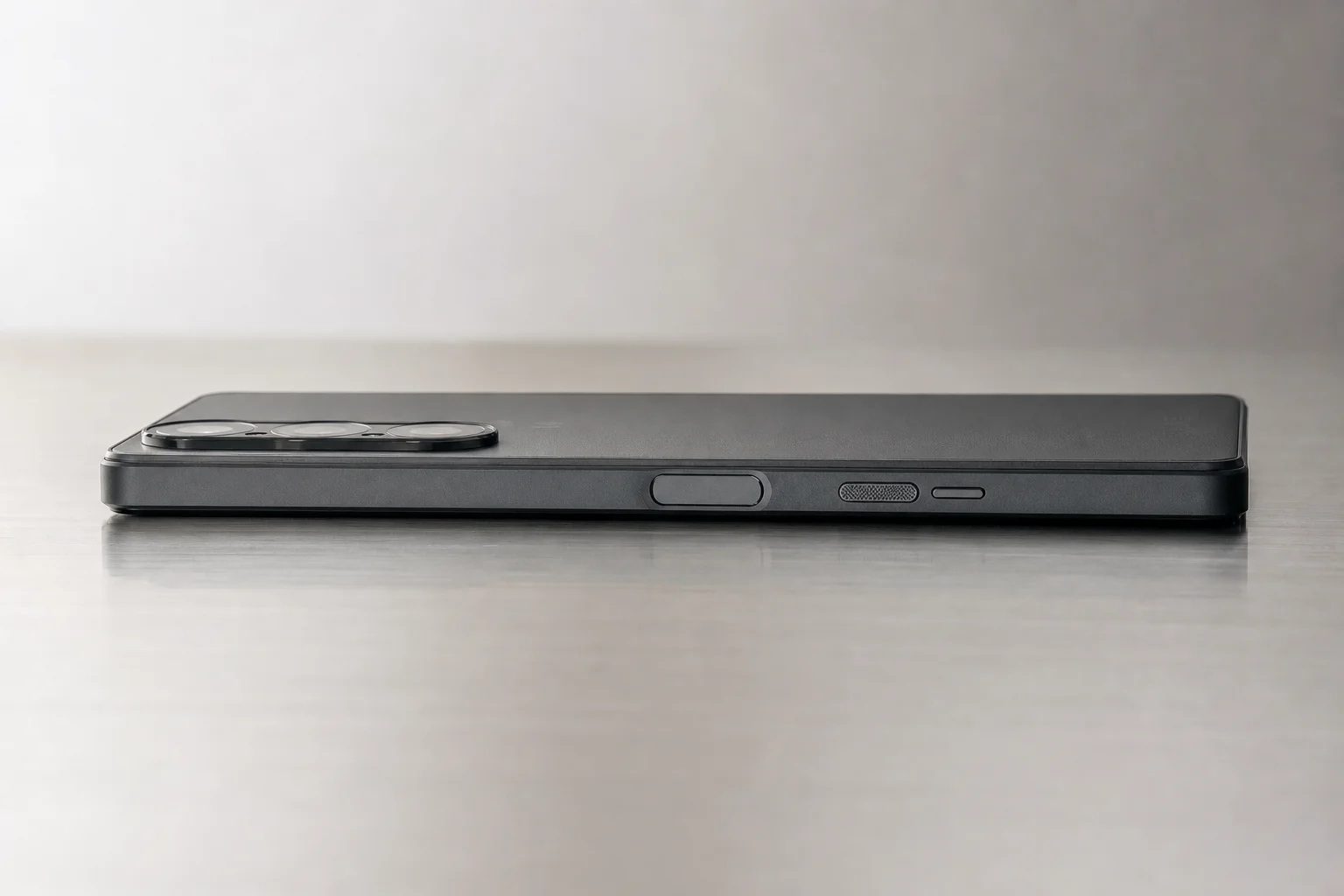
The device now supports eSIM alongside its single physical SIM slot, bringing it in line with current industry standards. Sony continues to preserve features that have become rare: a microSD card slot, a 3.5mm headphone jack, a two-stage physical shutter button, and a side-mounted fingerprint scanner.
The 6.5-inch 1080p OLED display remains unchanged at 120Hz with a 21:9 aspect ratio. The battery capacity is 5000mAh, offering solid but unremarkable battery life. The device will comfortably last a full day under typical use, though not two days.
Storage options include 12GB RAM with 256GB or 512GB storage, and a new 1TB variant with 16GB RAM. The software runs Android 16 with a clean interface similar to Pixel devices. Sony commits to four years of system updates and six years of security updates.
Conclusion
The Xperia 1 VIII represents Sony’s genuine effort to remain relevant in the premium smartphone market. The mineral aesthetic design is distinctive, the telephoto upgrade is substantial, and the AI photography assistant is thoughtfully implemented. These changes signal that Sony intends to stay in this market for years to come.
The price, however, is a significant consideration. The 256GB model costs approximately 12,000 HKD, with the 512GB variant at 12,899 HKD. The 1TB model is priced at 15,899 HKD. This positions the device in direct competition with flagship Ultra devices and foldables from Chinese manufacturers, which offer more aggressive feature sets at similar price points.
Sony’s commitment to the market is commendable, and the direction is correct. For users who value the refined design, reliable camera performance, and preserved features like the headphone jack and SD card slot, the Xperia 1 VIII is a compelling choice. For those seeking maximum value or cutting-edge features, the premium pricing may be difficult to justify.
Product link
View more details for Sony Xperia 1 VIII
This product is mentioned in the review. Check the specifications, options, and compatibility before buying.
View more details for Sony Xperia 1 VIIIFurther reading
Related Reviews
Smartphone Reviews
POCO M8 Review: Budget Phone with a Premium Curved Display
The POCO M8 brings a 6.77-inch curved AMOLED display and solid build quality to the budget segment, with some trade-offs in performance and camera low-light capability.
Action Cameras
Best Cheap Action Camera Under €100: SJCAM SJ11 Active Review
The SJCAM SJ11 Active delivers strong stabilization, dual screens, and solid color rendering at a budget price. Here's how it compares to premium alternatives.
Coffee Apps
Best Coffee Apps for iOS and Android: Four Categories Worth Exploring
A practical guide to coffee apps across brewing guides, caffeine tracking, cafe discovery, and gaming, with honest assessments of what actually works.