Motorcycle Accessories
TUbliss Tubeless System Review: Puncture-Free Riding for Dual Sports and Enduro Bikes
The TUbliss system eliminates pinch flats and simplifies puncture repairs for dual sport and enduro motorcycles. Here's what works, what doesn't, and whether it suits your bike.
Introduction
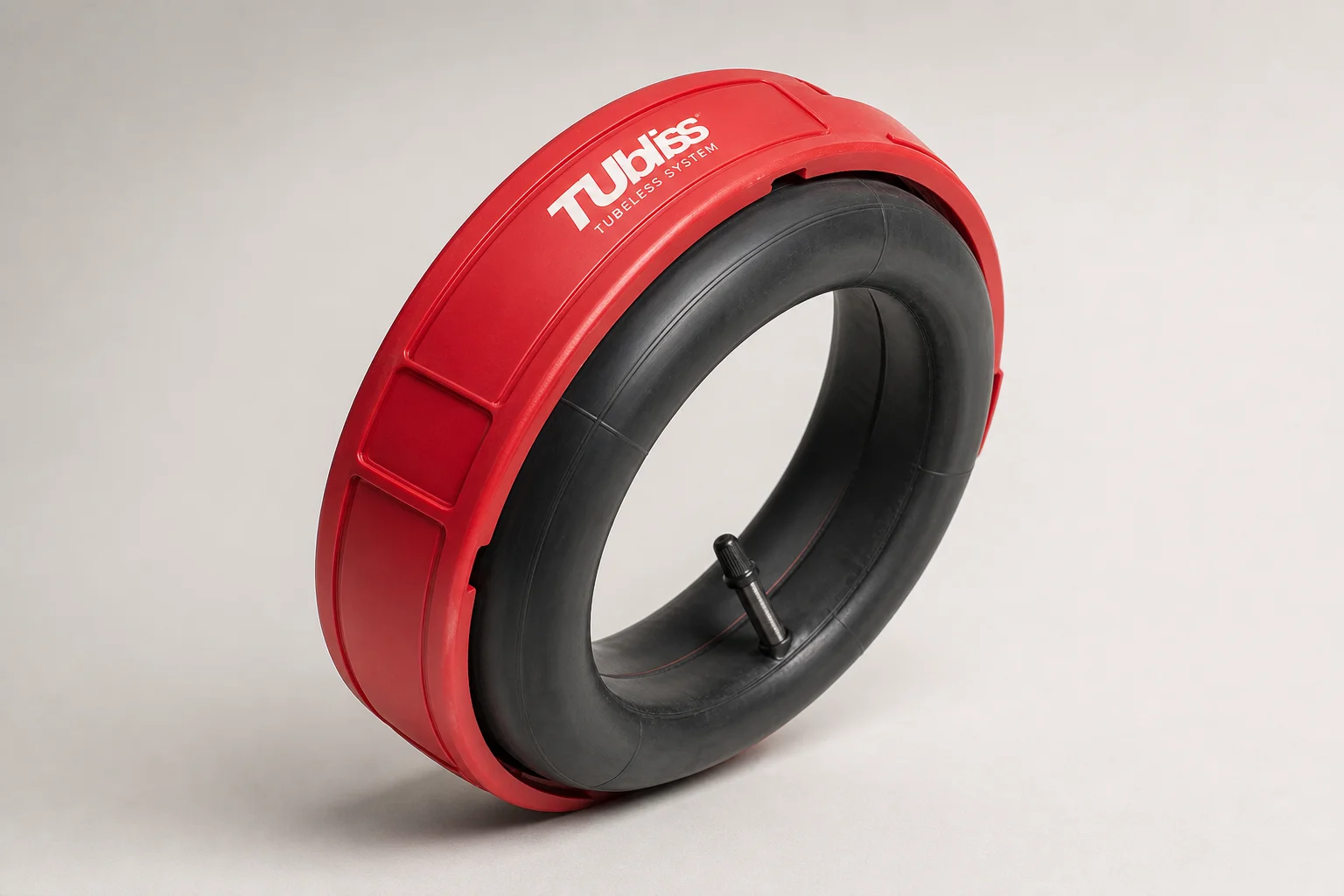
Punctures are a fact of motorcycle riding, especially on dual sport and enduro bikes where rough terrain and sharp rocks are unavoidable. The TUbliss tubeless system offers a different approach to tire security and puncture repair that appeals to riders who want to reduce flat tires and simplify roadside fixes. This system has gained a following among enduro and adventure riders, but it comes with specific compatibility requirements and trade-offs worth understanding before installation.
How TUbliss Works
The TUbliss system uses a high-pressure inner tube inflated to 100 psi that pushes a red plastic cover against the tire bead, anchoring it firmly to the rim. This creates an effective tubeless tire setup without requiring a tubeless-ready rim. The high-pressure tube holds the tire so securely that the system functions similarly to a tire running at extremely low air pressure, even when the actual tire pressure drops significantly.
The design is engineered specifically for the narrow rims found on dual sport, motocross, and enduro motorcycles. The red plastic cover acts as a seal between the tire bead and rim, eliminating the gap where a traditional inner tube would normally sit.
Key Advantages of TUbliss
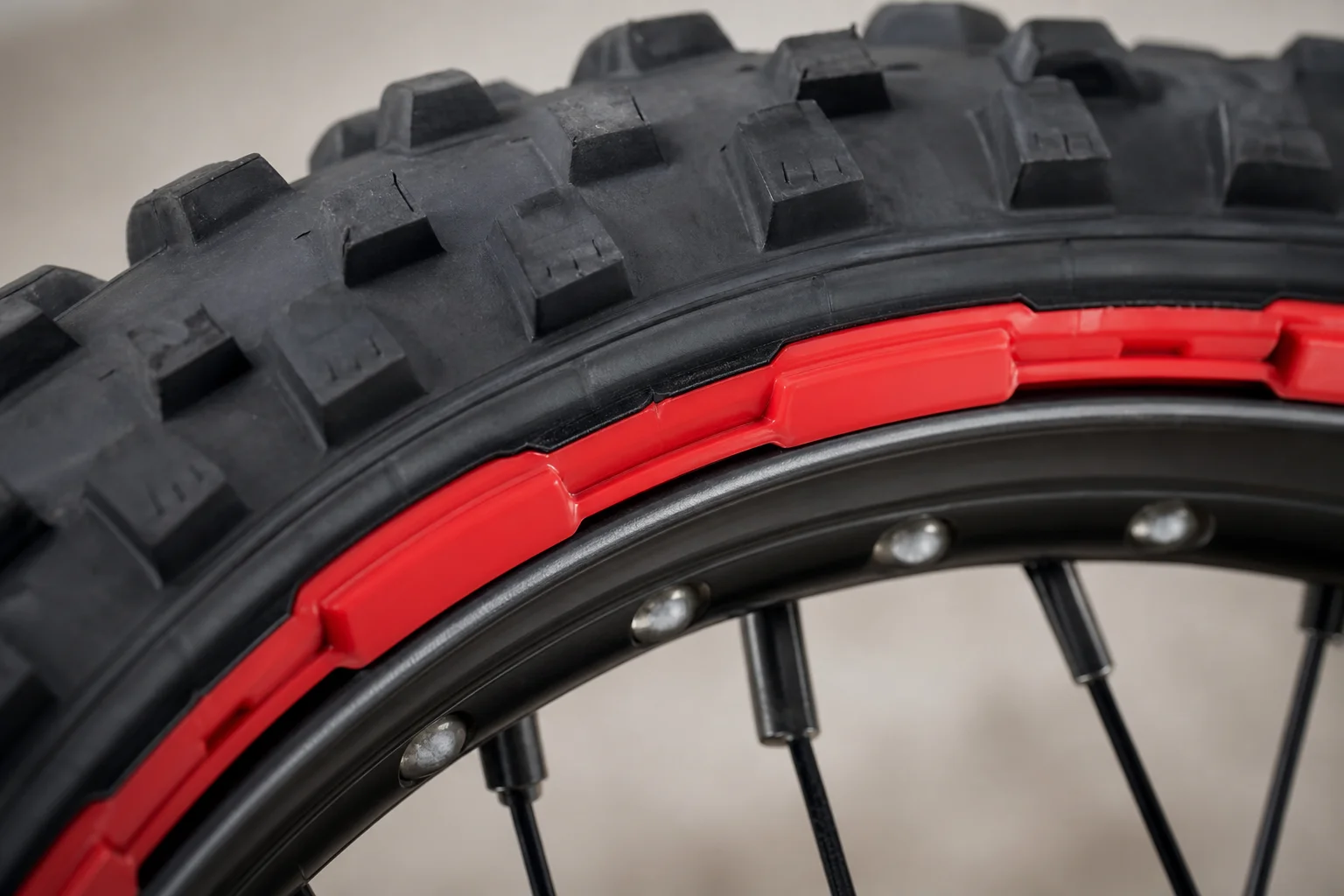
Eliminates pinch flats. Traditional inner tubes can be pinched between the tire bead and rim, causing punctures. The TUbliss system prevents this entirely because the tire is held so firmly by the high-pressure tube and plastic cover that pinching becomes impossible.
Puncture repairs are straightforward. If you do get a puncture, you can repair it without removing the wheel. Simply insert a tire plug into the hole, just as you would on a tubeless car tire. No need to dismount the wheel, remove the tire, patch an inner tube, or carry spare tubes and tire irons.
Allows extremely low tire pressures. Because the tire is anchored so securely, you can reduce air pressure dramatically to improve traction in mud, sand, or on slippery inclines. Some riders run pressures down to zero psi in extreme situations, relying on the TUbliss system to keep the tire seated on the rim.
Lighter than heavy-duty tubes. If you normally run heavy-duty or ultra-heavy-duty inner tubes to minimize punctures, the TUbliss system is lighter than both options while providing superior puncture resistance.
Easier tire changes. Once you master the technique, changing tires becomes simpler because you do not have to wrestle with a traditional inner tube during the process.
Better rim protection. The firm grip of the TUbliss system reduces the likelihood of the tire slipping on the rim and dinging or damaging the wheel.
Compatibility and Installation Considerations
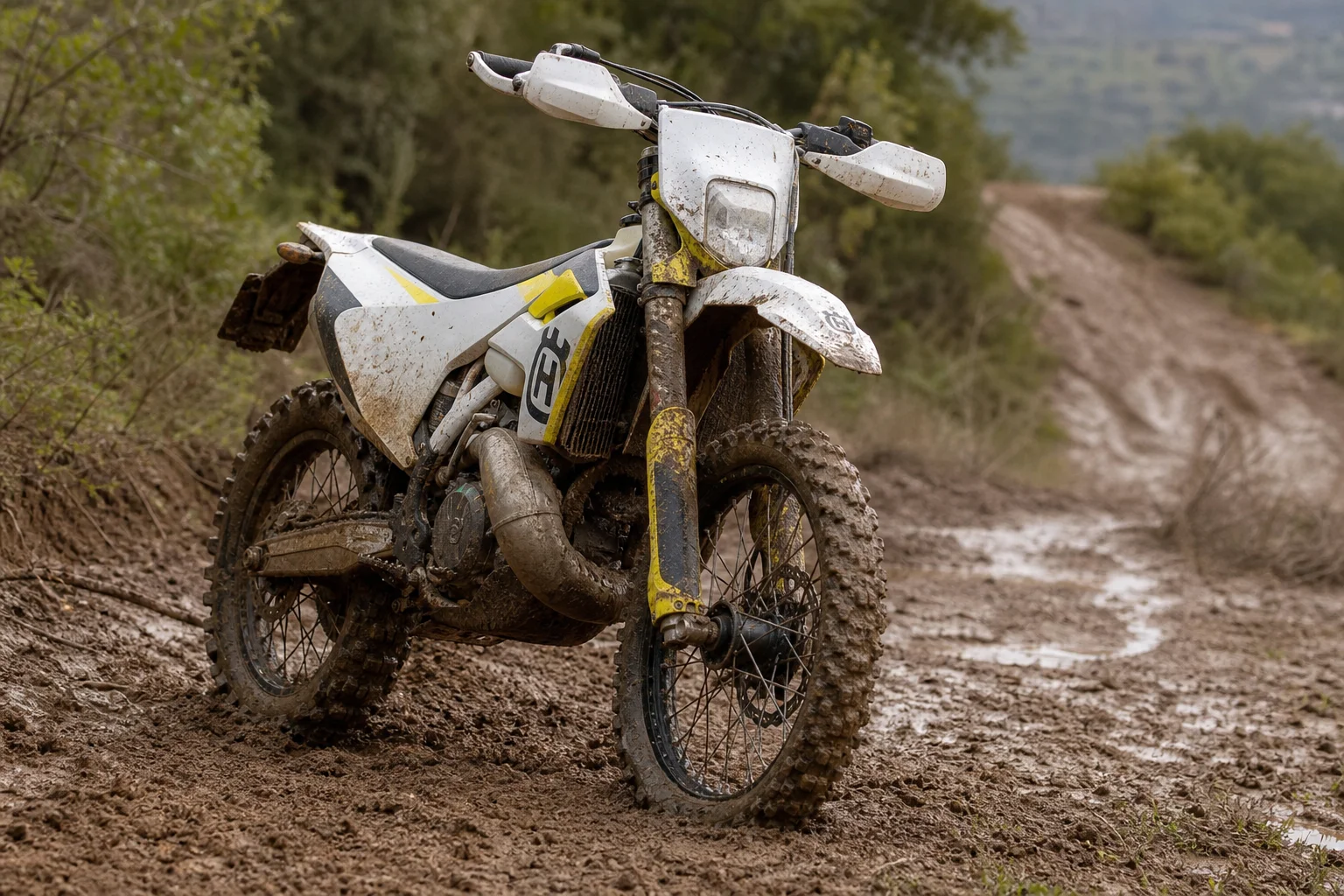
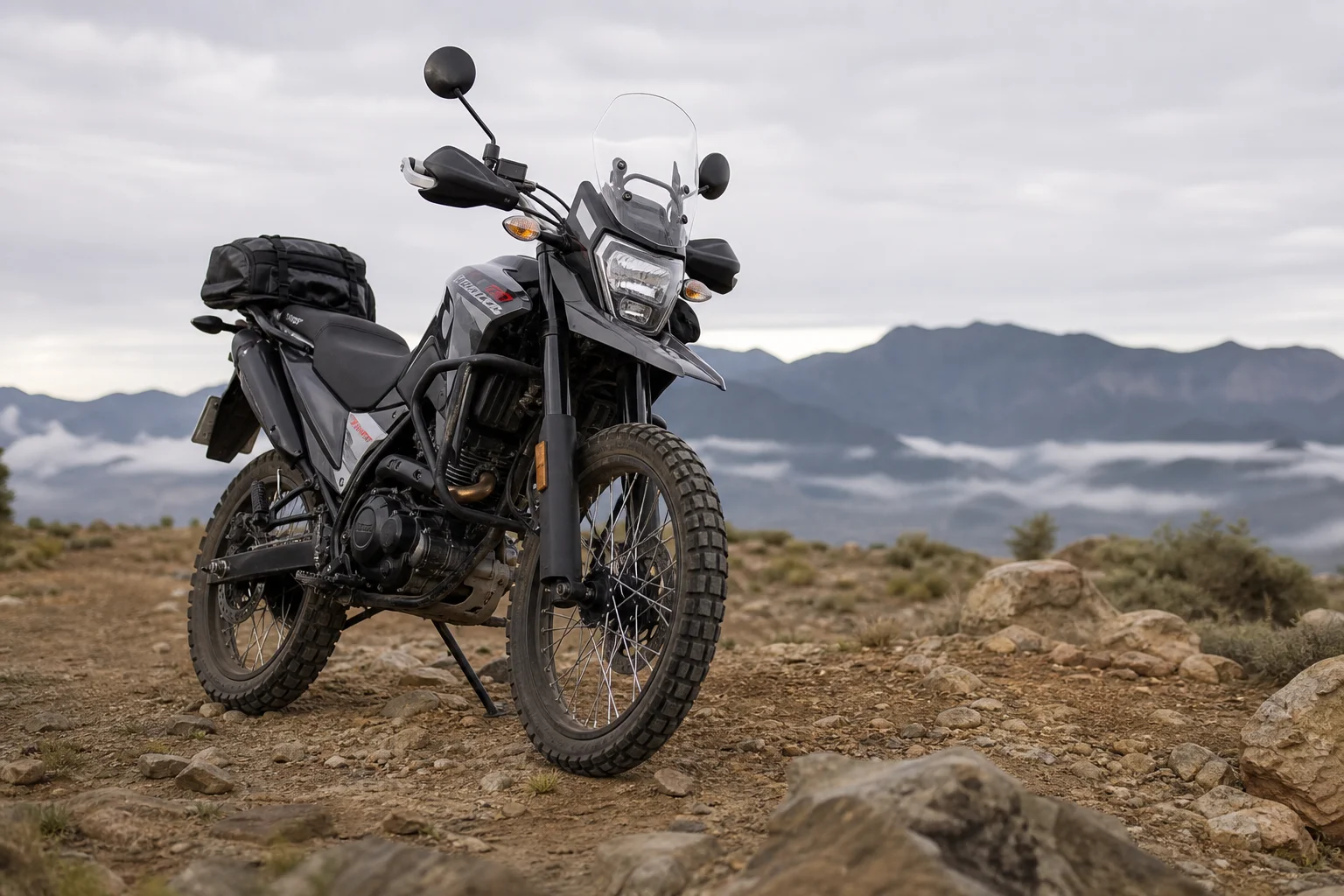
TUbliss is designed for narrow-rimmed dual sport, motocross, and enduro motorcycles. However, compatibility is not universal across all models.
Front wheels. The system works well on most dual sport and enduro front wheels.
Rear wheels. This is where compatibility becomes more restrictive. There is currently no 17-inch rear wheel system, which means bikes like the KLR650 and DR650 cannot fit TUbliss to the rear wheel using stock equipment. Bikes with 2.5-inch-wide rear rims, such as the KTM 690 and Husqvarna 701, technically fall outside TUbliss specifications. However, if the rear tire bead is at least 11 mm thick, the system can work. Many KTM 690 riders report successful long-term use.
Custom wheel solutions. If your bike lacks a compatible rear wheel, upgrading to a custom 18-inch rear wheel opens up both TUbliss compatibility and access to a wider range of tire options.
Potential Drawbacks and Failure Scenarios
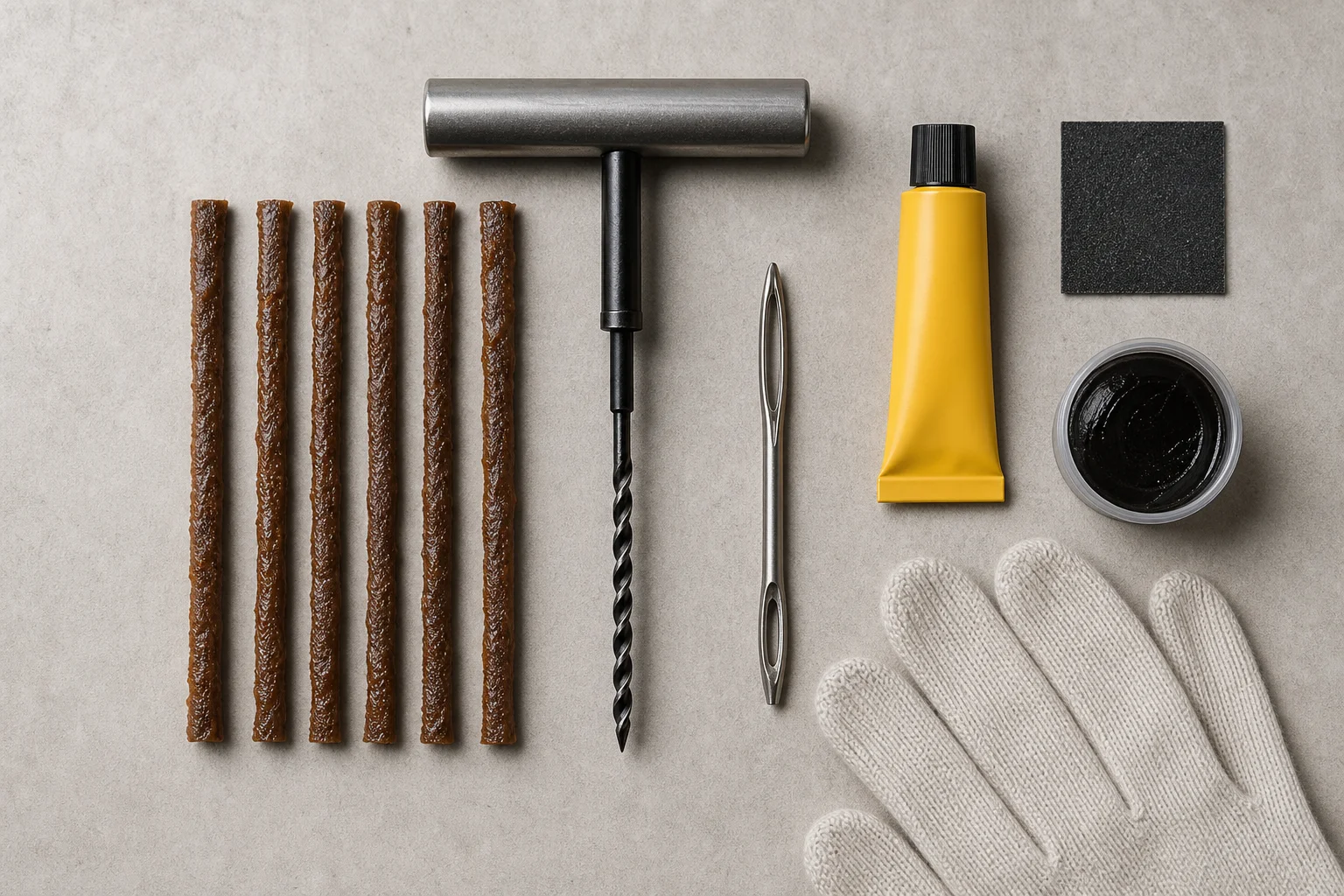
Requires careful installation. The TUbliss system is reliable when instructions are followed precisely. Riders in enduro groups who have used it for seven years or more report no problems. However, improper installation can lead to slow air leaks that are difficult to diagnose.
High-pressure tube failure. While rare, if the 100 psi inner tube suddenly fails, it will deflate with a loud bang, similar to an abrupt puncture. This has not been reported as a common occurrence, but it remains a theoretical risk.
Puncture of the high-pressure tube. A very sharp, pointed rock could theoretically pierce the tire, the red plastic cover, and the inner tube in sequence. This is most likely in extremely rocky enduro terrain. Average dual sport and adventure riding is unlikely to encounter conditions severe enough to cause this type of failure.
Repair of a failed high-pressure tube. If the 100 psi tube is damaged, you would need tire irons, a replacement tube, and an air pump capable of reaching 100 psi. This is a more involved repair than a standard puncture fix and may not be practical roadside.
Conclusion
The TUbliss system delivers genuine benefits for riders who frequently encounter punctures and want simpler repairs. It is most practical for dual sport and enduro motorcycles with compatible narrow rims, and it shines when you need to run very low tire pressures for traction. Before installation, verify that your bike’s rear wheel is compatible or budget for a custom wheel upgrade. If you follow the installation instructions carefully and accept the trade-offs around high-pressure tube failure, the system can reduce puncture-related headaches significantly.
Product link
View more details for TUbliss Tubeless System
This product is mentioned in the review. Check the specifications, options, and compatibility before buying.
View more details for TUbliss Tubeless SystemFurther reading
Related Reviews
Motorcycle Accessories
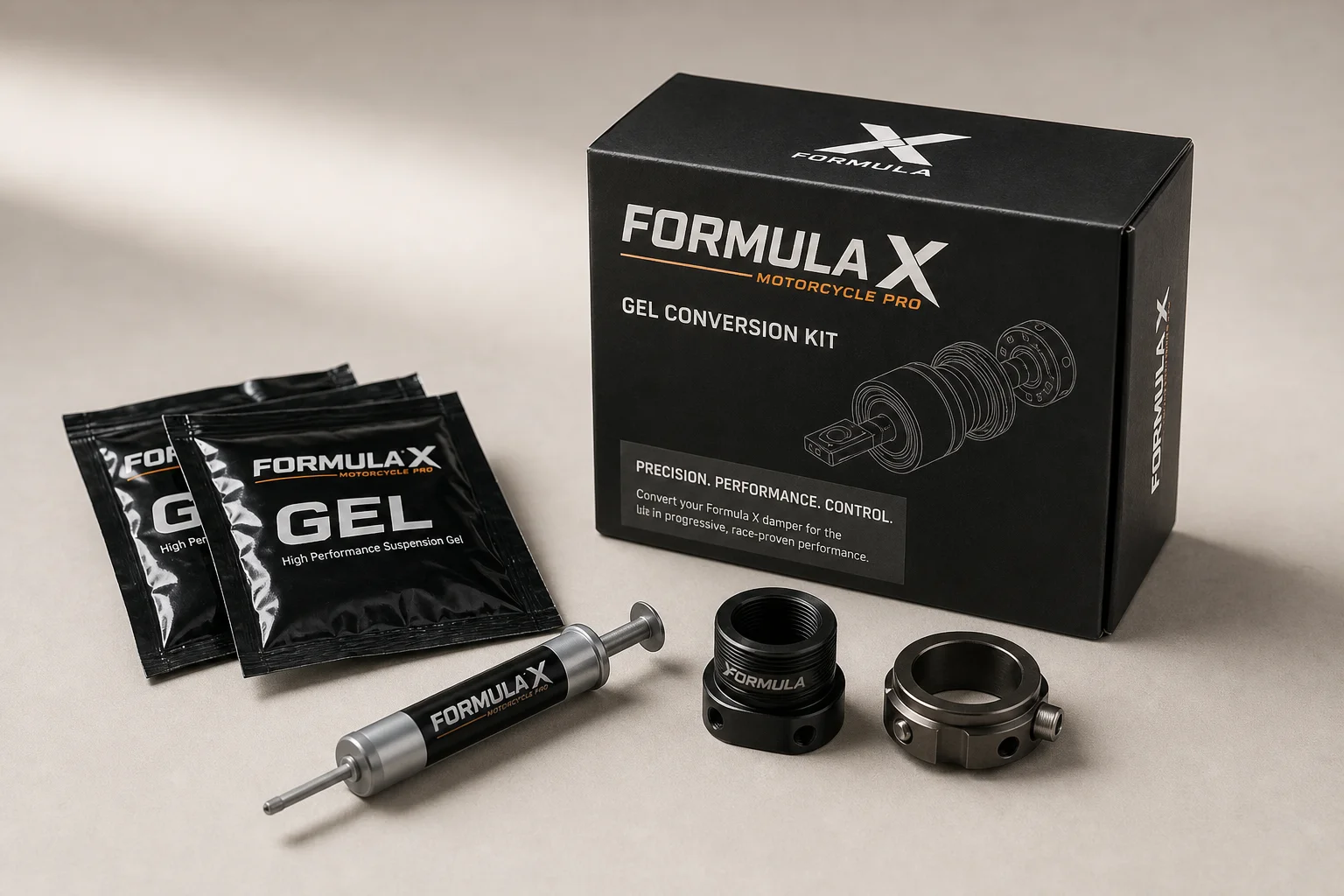
Formula X Motorcycle Pro: Converting Tubes to Tubeless Without Tire Removal
A gel-based tubeless conversion system that adds puncture protection to adventure bikes while retaining the benefits of traditional tube construction.
Motorcycle Tires
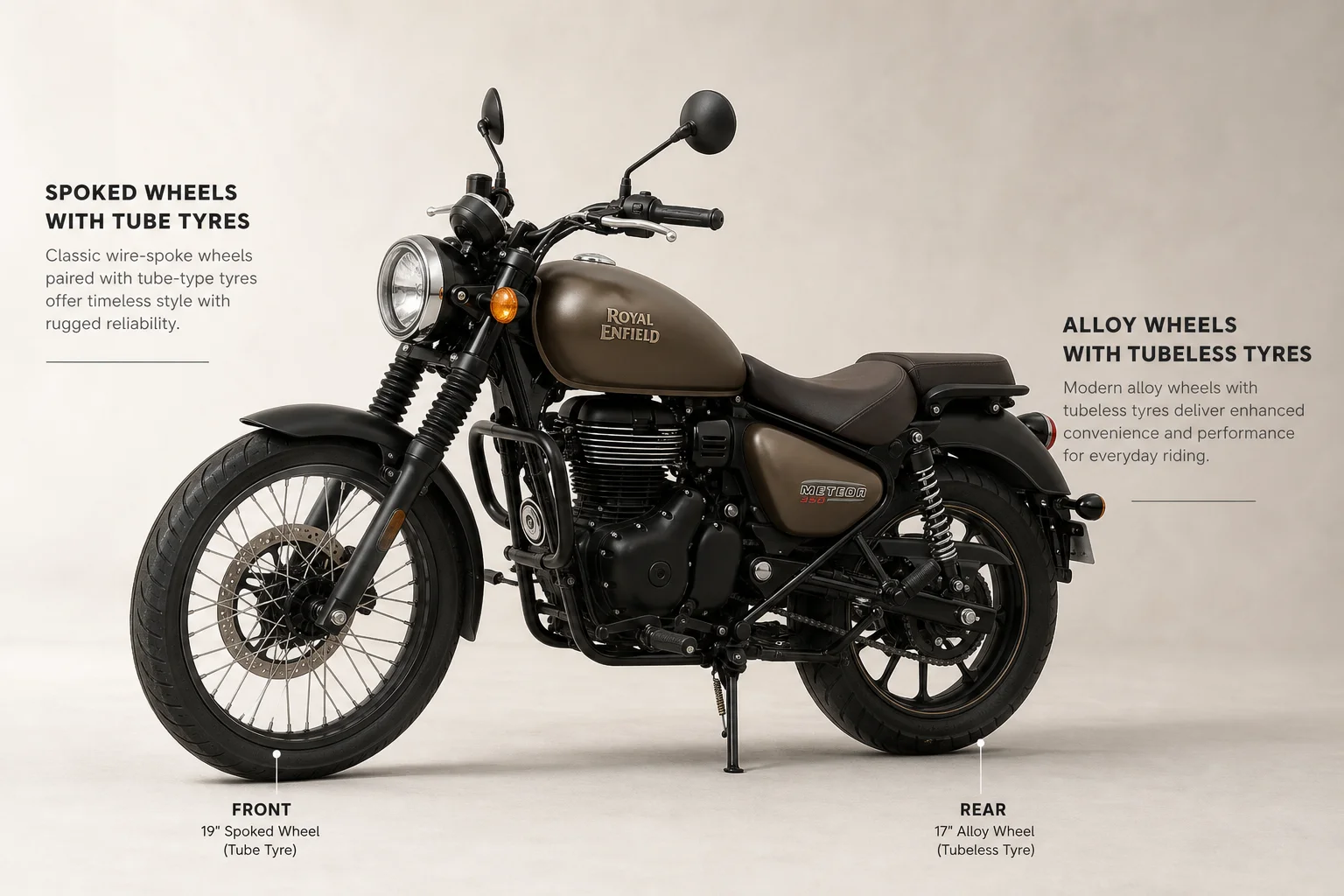
Tube vs Tubeless Tires: A Royal Enfield Meteor 350 Comparison
Exploring the practical differences between tube and tubeless tire setups, with real-world insights from upgrading a Royal Enfield Meteor 350 from spoked wheels to alloy rims.