Bike Reviews
Van Rizel RCRF Aero Bike Review: Speed and Niche Purpose
The Van Rizel RCRF is a purpose-built aerodynamic road bike designed for flat terrain and high-speed riding. We spent 600km testing it to see if modern aero bikes still make sense for amateur cyclists.
Introduction
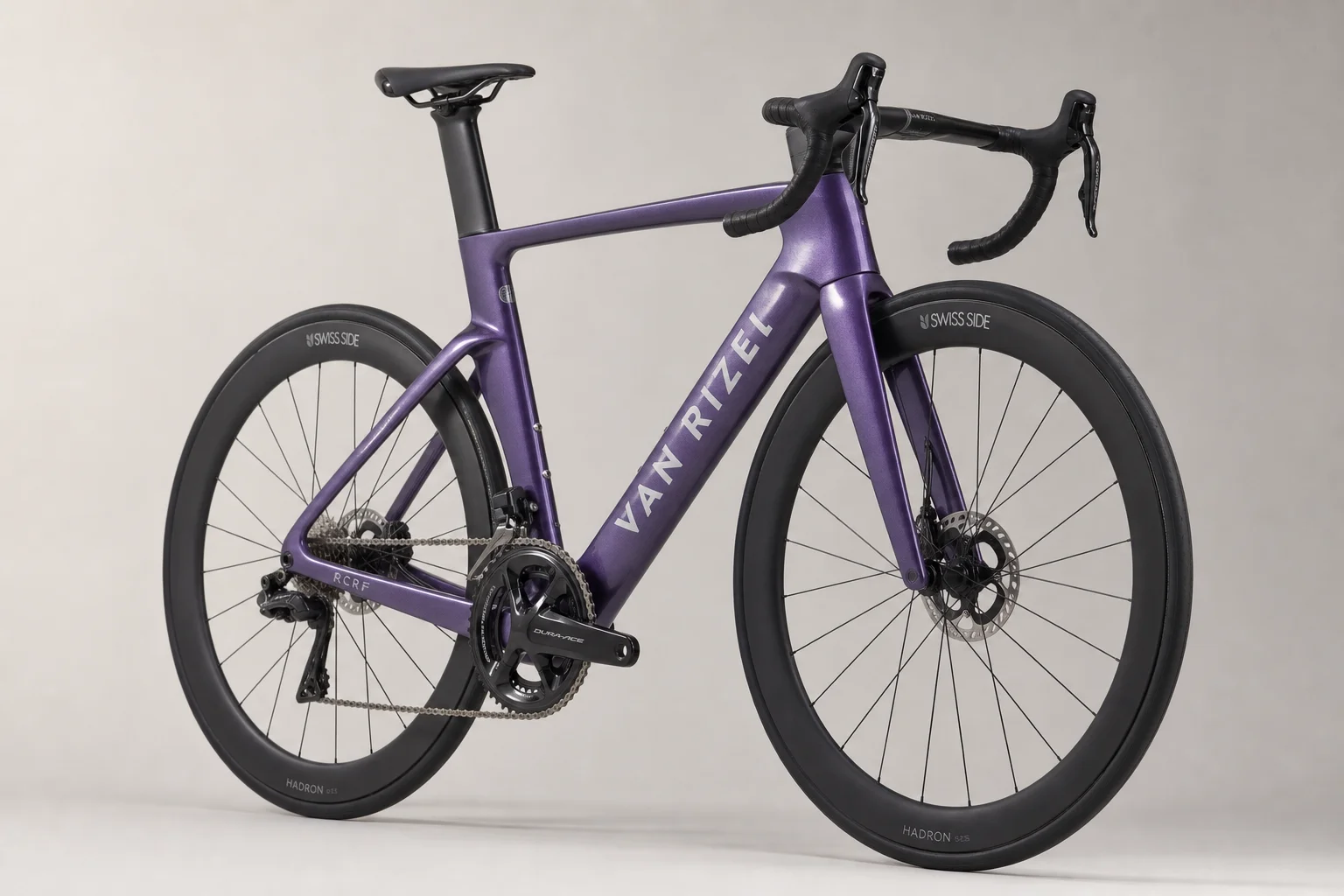
The Van Rizel RCRF has been an open secret in professional cycling for months, with Decathlon AG2R riders like Sam Bennett using prototypes extensively. Now it is official, with pricing and full specifications available. This is an uncompromising aerodynamic bike built for a specific purpose: winning races and dominating at speeds above 35 km/h on flat terrain. We spent over 600 kilometres testing it to understand whether modern aero bikes still have a place in amateur cycling.
Who This Bike Is For
Van Rizel has been refreshingly clear about the RCRF’s intended use case. According to their comprehensive white paper, this bike makes sense if your rides have less than 1,500 metres of elevation gain per 100 kilometres, you regularly ride faster than 35 km/h, and your routes avoid sustained gradients above 5 percent. The company openly states that approximately 75 percent of amateur riders would be better served by their RCR allrounder instead.
This is a bike for flat-terrain chain gang riders, amateur crit racers, and cyclists who prioritise speed on the flats above all other considerations. It is not a replacement for the RCR, and Van Rizel makes no pretence that it is.
Aerodynamic Performance and Design
Van Rizel claims the RCRF is 9 watts faster than the RCR with a rider on board, based on wind tunnel testing with moving legs. At 45 km/h, the advantage is 13.6 watts; at 55 km/h, it increases to 20.1 watts. These figures come from rigorous testing that included the rider in motion, which is why they are lower than static bike-only measurements.
The aerodynamic gains come from several specific design changes enabled by updated UCI regulations allowing more bladed tube profiles. The fork saves 1.2 watts, the down tube contributes 1.7 watts, the deeper head tube accounts for 4.4 watts, and the cockpit saves a further 2.7 watts. The handlebar features an “Ergo Drop” insert that positions your hands in a more aerodynamic wrist orientation, and the bars have 12 degrees of flare compared to 7 degrees on the RCR.
One notable omission from Van Rizel’s testing is the absence of water bottles and cages during aerodynamic evaluation. In real-world use, the bike will almost always carry a bottle, which will affect actual aero performance.
Main Strengths
The RCRF delivers genuine speed on flat terrain. During testing on regular loops, the bike consistently ranked among the fastest current production bikes available. Van Rizel claims it was the fastest bike on the flats in the World Tour peloton last year, though recently released competitors like the Kolago Y1 RS and new Ridley Noah may challenge that claim.
Climbing performance is surprisingly capable for an aerodynamic bike of this weight. The 105 Di2 equipped version tested weighs 8.2 kilograms, yet it handled challenging UK climbs with responsive, reactive feel. The bottom bracket stiffness and overall handling are excellent, comparable to the latest Canyon Aero CFR. Higher-spec Durace versions can reach 7.5 kilograms, which is genuinely light for an aero bike.
The bike comes well-equipped across all spec levels. Every version includes the same high-quality handlebar and frame layup, carbon wheels, a power meter, and Michelin Grand Prix 5000 tyres. Few new bikes arrive with such quality components as standard.
The RCRF has no steering stop, unlike some competitors, which prevents the handling surprises that can catch riders off guard. The 32-millimetre tyre clearance is generous for an aero bike, allowing comfortable use of faster 30-millimetre tyres.
Things to Consider Before Buying
The bike comes with fixed handlebar and crank arm lengths per size, with no customisation options available. This is particularly problematic because the RCRF is sold through Decathlon and Sigma Sports, neither of which will swap components during purchase. For an expensive bike built around precise aerodynamic positioning, this lack of fit flexibility is a significant limitation.
The Swissside wheels feature 20-millimetre internal widths, which some riders may find too narrow for their preferences. There is no option to specify alternative wheels.
The bike uses a press-fit bottom bracket, which remains a point of contention among many cyclists despite its prevalence in modern bike design.
The 52/36 semi-compact chainset is standard across all spec levels, including Durace versions. For a bike explicitly designed for speed and sprint racing, some riders may find the 36-tooth inner ring limiting for high-speed efforts, though this remains a matter of personal preference.
The Van Rizel house-brand saddle on the 105 equipped version is notably slippery. Higher-spec bikes come with Fizik saddles, which address this issue.
UK pricing is significantly higher than European pricing due to currency conversion, making the bike considerably more expensive for British buyers compared to purchasing in euros.
Buying Advice
The RCRF is genuinely good value within the aero bike category, though it commands a premium over the RCR. The 105 Di2 version costs £5,000, compared to £3,500 for the equivalent RCR. The Altegra Di2 version is £7,000, and the top-spec Durace Di2 reaches £10,000. These prices are competitive with other modern aero bikes like the Canyon Aero CFR (£4,600 for 105 Di2) and cheaper than the Kolago, though more expensive than some alternatives like the Ribble Ultra SLR.
The bike is currently available in the UK through Decathlon and Sigma Sports, with stock confirmed for Shimano group sets. Sram models are expected in summer.
If you live in a flat region and want to compete in chain gangs or crit races, the RCRF is an ideal choice. It is one of the few modern aero bikes still available, filling a niche that most manufacturers have abandoned. The bike is comfortable enough for extended riding, well-thought-out in its design, and genuinely fast on the flats.
However, if you value customisation, prefer climbing-friendly geometry, or want a more versatile all-rounder, the RCR remains the better choice. The RCRF is a specialist tool, not a compromise bike.
Conclusion
The Van Rizel RCRF proves that aero bikes still have a place in amateur cycling, even if that place is narrow and specific. It is fast, well-specced, and rides with impressive responsiveness for its weight. The design is thoughtful, the engineering is rigorous, and the performance claims are backed by proper testing methodology.
The main frustrations centre on fit customisation and UK pricing rather than the bike’s fundamental design. If Van Rizel allowed different stem, crank, and wheel options, and addressed UK pricing parity, this would be an even stronger proposition.
For the right rider in the right context, the RCRF is an excellent bike that deserves consideration. It is a rarity in the modern market: a purpose-built aero bike that actually makes sense for amateur racing and high-speed group riding.
Product link
View more details for Van Rizel RCRF
This product is mentioned in the review. Check the specifications, options, and compatibility before buying.
View more details for Van Rizel RCRFFurther reading
Related Reviews
Bike Reviews
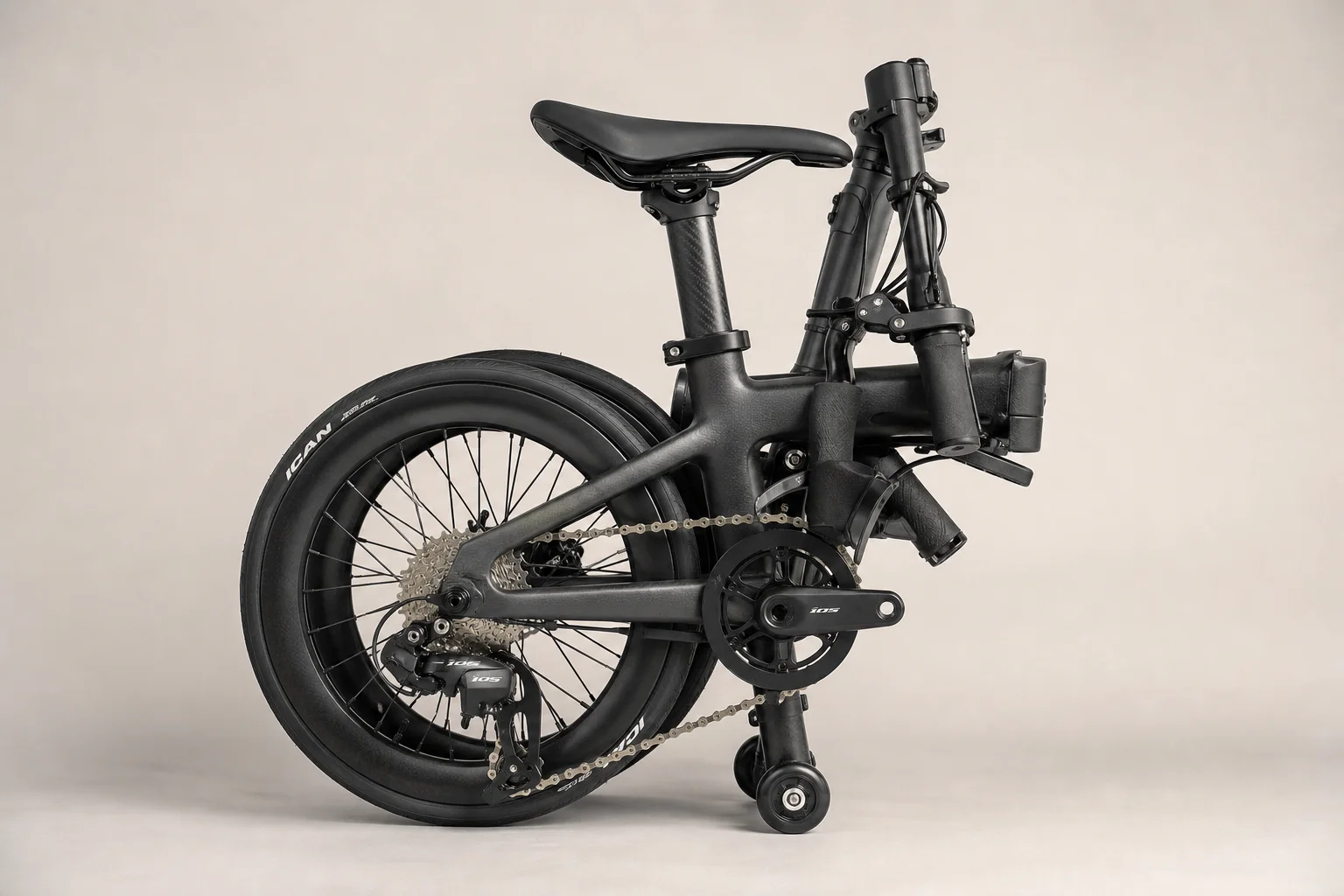
Java Neo3 Carbon Trifold Review: A Portable Bike That Weighs Less Than You'd Expect
The Java Neo3 Carbon Electronic Group Set Edition combines a trifold design with T800 carbon construction and electronic shifting. We tested its ride quality, portability, and real-world performance.
Bike Reviews
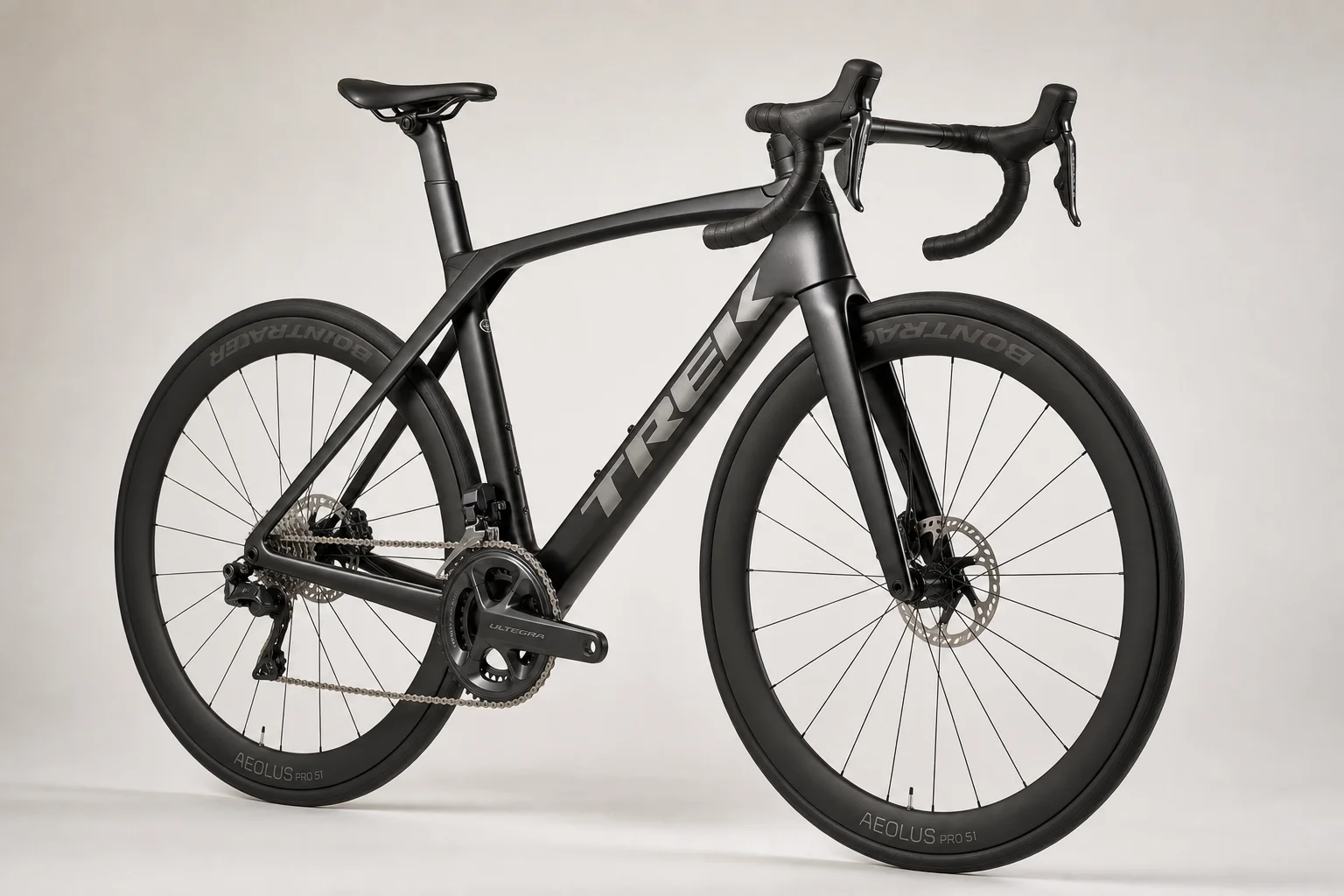
SAVA AeroX SLR8 Review: Premium Carbon Aero Bike at a Competitive Price
The SAVA AeroX SLR8 delivers lightweight carbon construction and Shimano Ultegra Di2 shifting at a fraction of what comparable aero race bikes cost. Strong performance and value, but assembly support and quality control need attention.
Folding Bikes
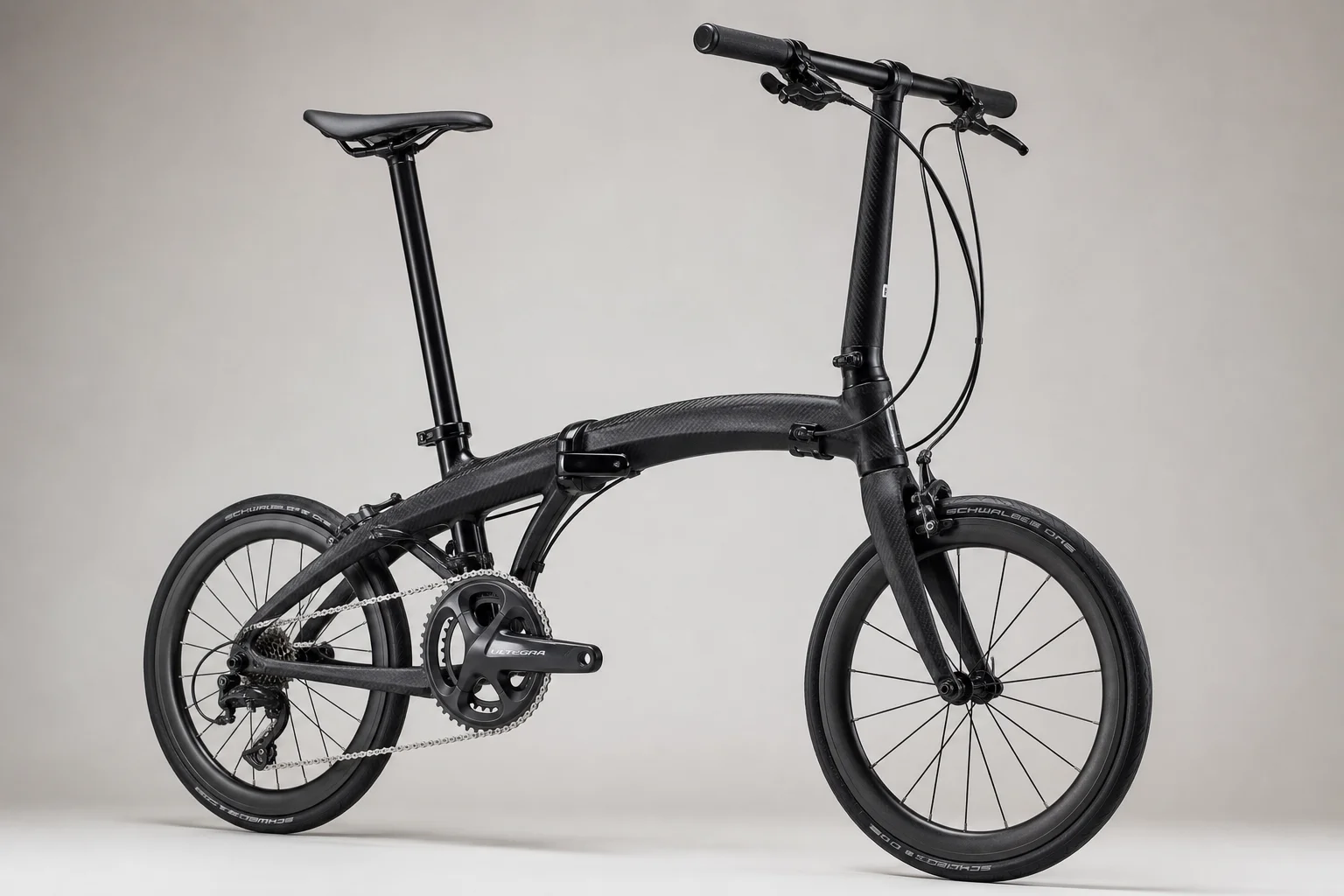
Java Neo 20-Inch Carbon Folding Bike Review: Lightweight Performance in a Compact Frame
The Java Neo 20-inch carbon folding bike combines the advantages of a larger wheel with carbon construction. We test geometry, weight, and real-world handling to help you decide if this upgrade makes sense.