Coffee Equipment
How the Clover Coffee Brewer Led to the V60 Revolution
The surprising story of how Starbucks' acquisition of the Clover machine inadvertently sparked the specialty coffee industry's shift to manual brewing and made the Hario V60 the world's most iconic pour-over.
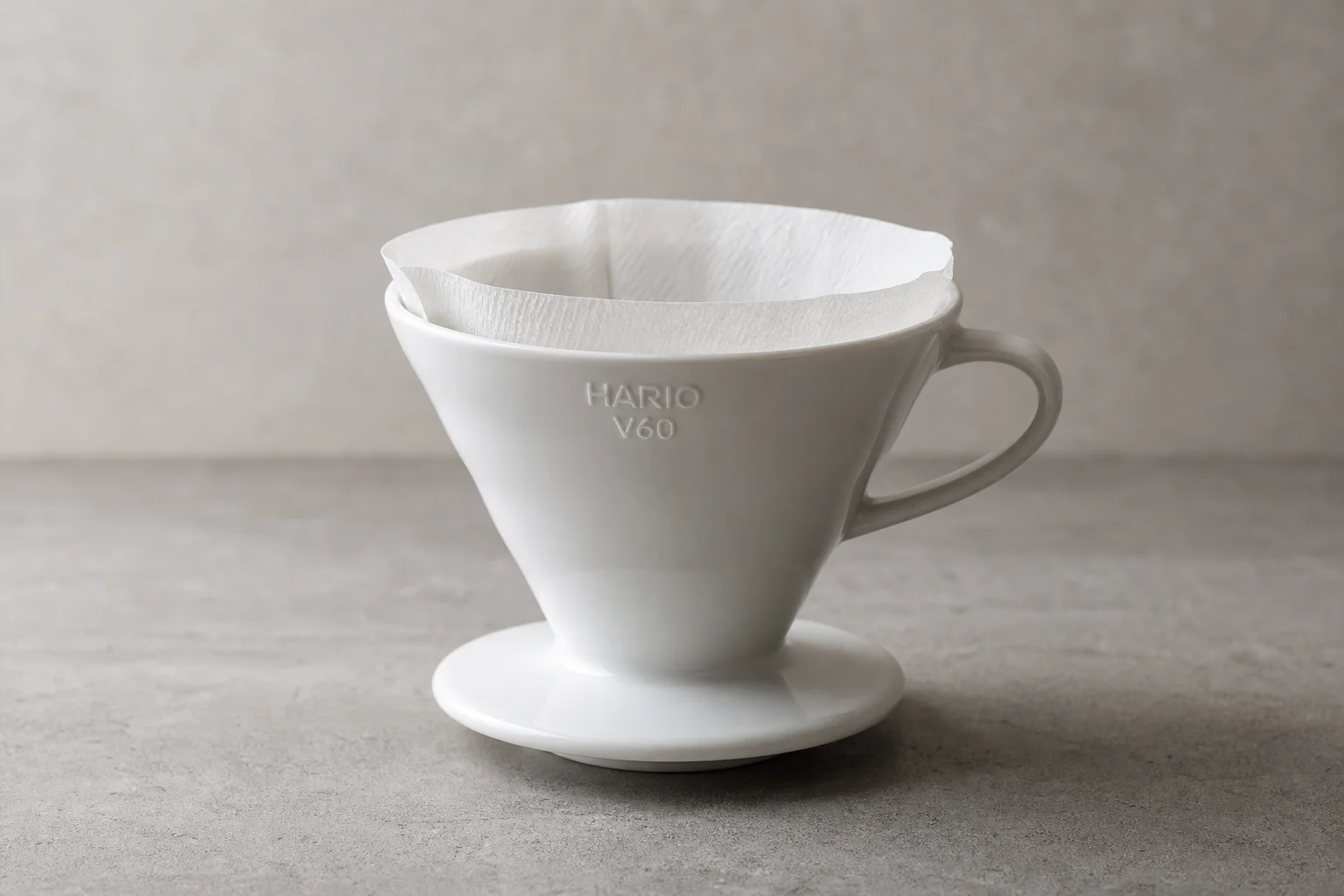
Introduction
The Hario V60 is now one of the world’s most popular coffee brewers, with over 20 million units sold since its 2005 launch. Yet the path to its dominance is an unexpected one, rooted not in the brewer’s own marketing, but in a corporate acquisition that sparked an industry-wide rebellion.
This is the story of how Starbucks’ purchase of the Clover coffee machine inadvertently created the conditions for the V60 to become the defining brewer of the specialty coffee movement.
The Early Days of Specialty Coffee
In the early 2000s, specialty coffee was a small, scattered community. Trade shows and industry events were rare opportunities for coffee professionals to gather and share their passion. It was at one of these events, Coffee Fest in Seattle in 2005, that the Clover made its public debut.
The Clover was created by three Stanford graduates—Zander Nosler, Randy Hulett, and Jorah Wyer—through their company, the Coffee Equipment Company. Nosler, a mechanical engineer and product designer, had become frustrated by how underserved the coffee industry was by technology. While espresso equipment had undergone rapid innovation in the early 2000s, brewed filter coffee had been largely neglected.
At the time, filter coffee was cheap and undervalued. Coffee shops served it from large urns with free refills for around $1.50 a cup. Specialty roasters, however, were sourcing exceptional, traceable coffees that were often better suited to filter brewing than espresso. They faced a problem: how could they sell these premium coffees through filter coffee when customers expected it to remain inexpensive?
The Clover’s Rise and Fall
The Clover was a sophisticated machine that combined immersion and percolation brewing. Users could control brew volume, steep time, and temperature through a digital interface. The machine added an element of theater—baristas would stir the coffee and water mixture, then the machine would create a partial vacuum to separate the liquid from the grounds. It was expensive, costing around $9,000 per unit, but it solved a real problem: it allowed cafés to brew and sell different coffees at different price points.
The buzz around the Clover exploded. Specialty coffee professionals were captivated by the machine’s capabilities and the quality of coffee it produced. Elysian Café in Vancouver became the first café in the world to install one, and the machine quickly became a status symbol in the specialty coffee world. Intelligentsia and other leading roasters adopted it enthusiastically.
However, behind the scenes, the Coffee Equipment Company was struggling. They needed to sell 25 machines per month just to break even, and they rarely reached that target. The machine was complex and expensive to manufacture, and despite the industry buzz, actual sales commitments were hard to come by. The company was burning through cash.
Starbucks’ Strategic Move
By 2007, Starbucks was in crisis. The company had overexpanded, nearly doubling its store count and cannibalizing its own sales. It faced pressure from both the emerging specialty coffee movement, which made superior coffee, and from cheaper competitors like Dunkin’ and McDonald’s. Starbucks’ stock slumped 42% that year, making it one of the worst-performing companies on the NASDAQ.
Howard Schultz, the founder who had stepped down as CEO, returned to the helm in January 2008. Two months later, at Starbucks’ shareholders meeting, Schultz announced a major acquisition: Starbucks had bought the Coffee Equipment Company and the Clover machine.
Schultz’s motivation was clear. He had experienced the quality of coffee the Clover produced and believed it posed a genuine competitive threat to Starbucks. In his own words, he felt Starbucks needed to own the technology. Whether this was a strategic investment or a move to neutralize a competitor, the effect on the specialty coffee industry was immediate and profound.
The Specialty Coffee Backlash
In 2008, specialty coffee viewed Starbucks as the enemy. When the acquisition was announced, the reaction was swift and visceral. Duane Sorenson, founder of Stumptown Coffee, famously pulled every single Clover out of all his shops on the day of the announcement. Other specialty roasters and cafés followed suit, removing their machines en masse.
For many in the specialty coffee community, the acquisition felt like a betrayal. They had been building a new business model around the Clover, and now the machine was owned by the very company they saw as antithetical to their values. Some members of the Coffee Equipment Company’s own team were devastated, with some saying they would have preferred to see the company fail rather than be acquired by Starbucks.
The Search for an Alternative
The specialty coffee industry faced a dilemma. They had discovered that brewing coffee by the cup—offering customers a choice of different coffees at different price points—was a viable and desirable business model. But they no longer wanted to invest in a technology that Starbucks could simply acquire and control.
Some cafés experimented with alternatives. Blue Bottle Coffee invested $20,000 in a siphon bar, which was beautiful but impractical for most shops. The Chemex, a design classic, had its own problems: it broke easily in a commercial setting and couldn’t accommodate a cup underneath for easy handoff to customers.
Then specialty coffee shops discovered the Hario V60.
Why the V60 Won
The V60 was a Japanese pour-over cone designed by Hario, a company specializing in glassware and teapots. Launched in 2005, it had gained little traction outside Japan until the specialty coffee industry began searching for alternatives to the Clover.
The V60 succeeded where other options fell short for several reasons. First, it was cheap—just $6. This was revolutionary. For years, home coffee enthusiasts could never aspire to the quality of equipment that specialty cafés possessed. Espresso machines and fancy grinders were expensive and out of reach. But suddenly, cafés were brewing with a $6 pour-over cone, and home drinkers could buy the same equipment and brew the same quality coffee at home.
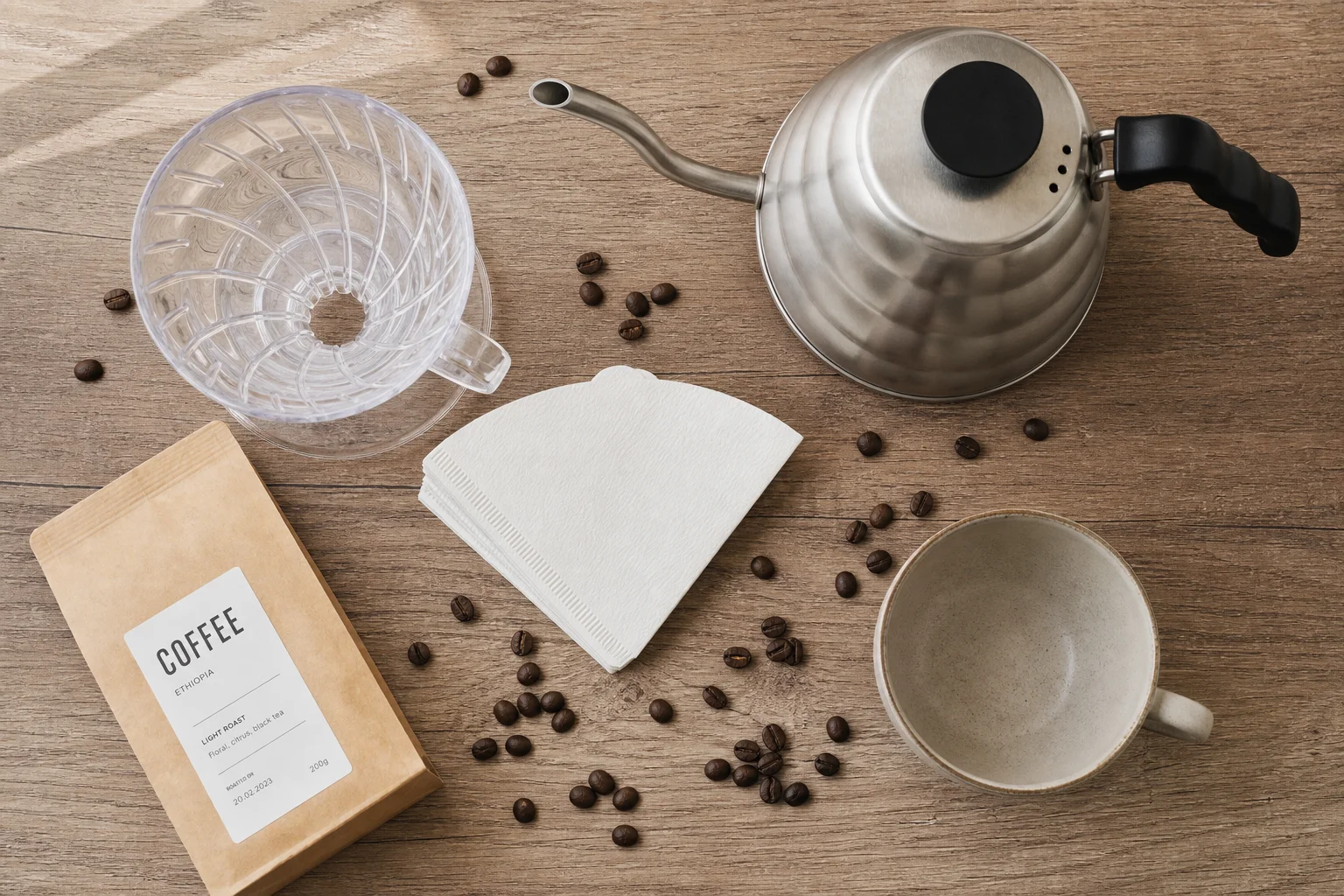
Second, the V60 had a café-friendly workflow. It was quick, reliable, and didn’t require the complex engineering of the Clover. Baristas could brew multiple cups in rapid succession, making it practical for busy shops. Intelligentsia’s Monadnock store in Chicago switched to an all-V60 bar and was brewing a huge number of cups every day.
Third, something about the V60’s design simply resonated. The conical shape with its 60-degree angle, the spiral ridges inside, and the single large hole at the bottom created a brewing experience that was both accessible and engaging. It offered the theater and control that specialty coffee professionals valued, but without the expense and complexity of the Clover.
The V60’s Global Impact
The adoption of the V60 by specialty coffee shops happened rapidly. Within a short period, Clovers were ripped out and pour-over bars were installed across the specialty coffee world. Hario, which had struggled to sell coffee equipment before the V60’s adoption by specialty shops, suddenly found itself unable to keep up with demand.
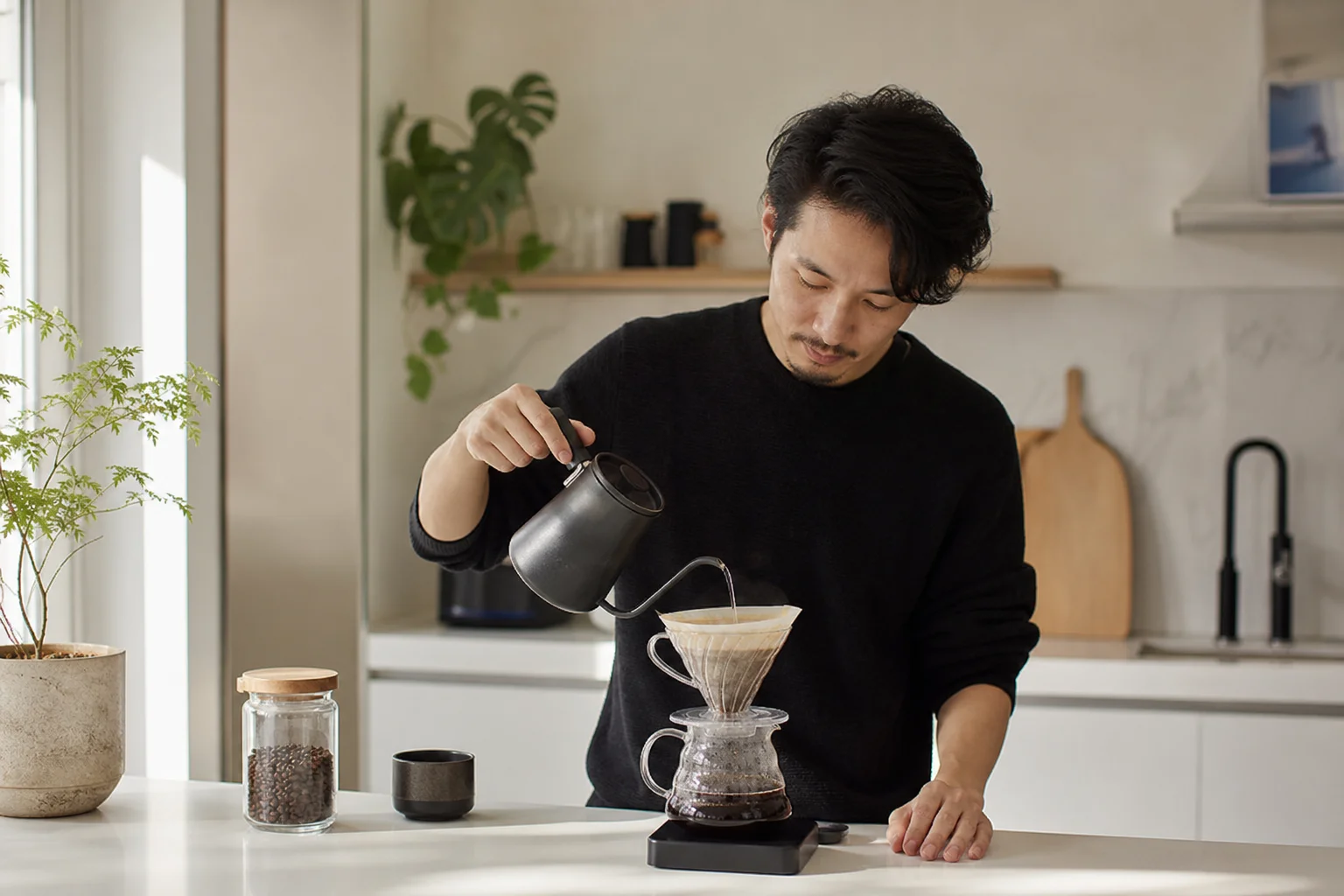
Since 2005, Hario has sold over 20 million V60 units worldwide. If stacked one on top of another, they would reach at least 1,500 kilometers into the sky. The V60 is now unquestionably one of the most popular brewers in the world and an icon of the specialty coffee movement.
The V60’s success fundamentally changed how people brew and serve filter coffee. It democratized specialty coffee equipment, allowing home enthusiasts to access the same tools and achieve the same quality as professional baristas. It also proved that simplicity and affordability could triumph over technological complexity.
Conclusion
The Hario V60’s rise to dominance is a story of unintended consequences. Starbucks’ acquisition of the Clover, intended either as a strategic investment or a competitive move, inadvertently triggered a shift in the specialty coffee industry toward manual, accessible brewing methods. The V60 filled the void left by the Clover’s removal from specialty shops, and in doing so, became the defining brewer of modern specialty coffee culture.
What makes this story remarkable is not just the irony, but the lasting impact. The Clover changed expectations about what filter coffee could be, and the V60 made those expectations accessible to everyone. Together, these two machines—one expensive and complex, the other simple and affordable—transformed how the world brews and drinks coffee.
Product link
View more details for Hario V60
This product is mentioned in the review. Check the specifications, options, and compatibility before buying.
View more details for Hario V60Further reading
Related Reviews
Coffee Equipment
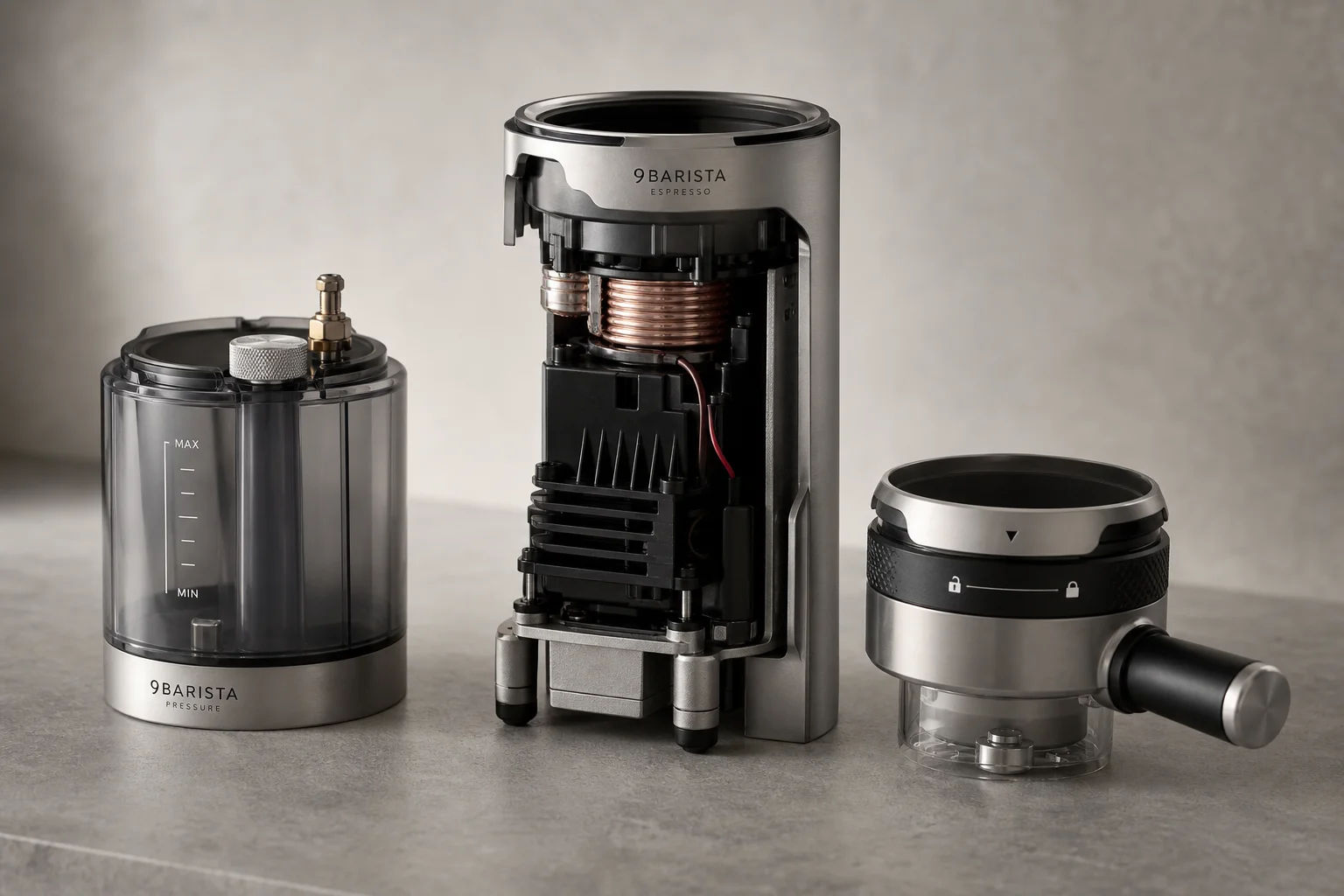
9Barista Espresso Machine Review: Stovetop Espresso for Single-Cup Enthusiasts
A cleverly engineered stovetop espresso maker that generates nine bars of pressure without electricity. Excellent coffee quality, but requires patience and suits solo drinkers only.
Coffee Equipment
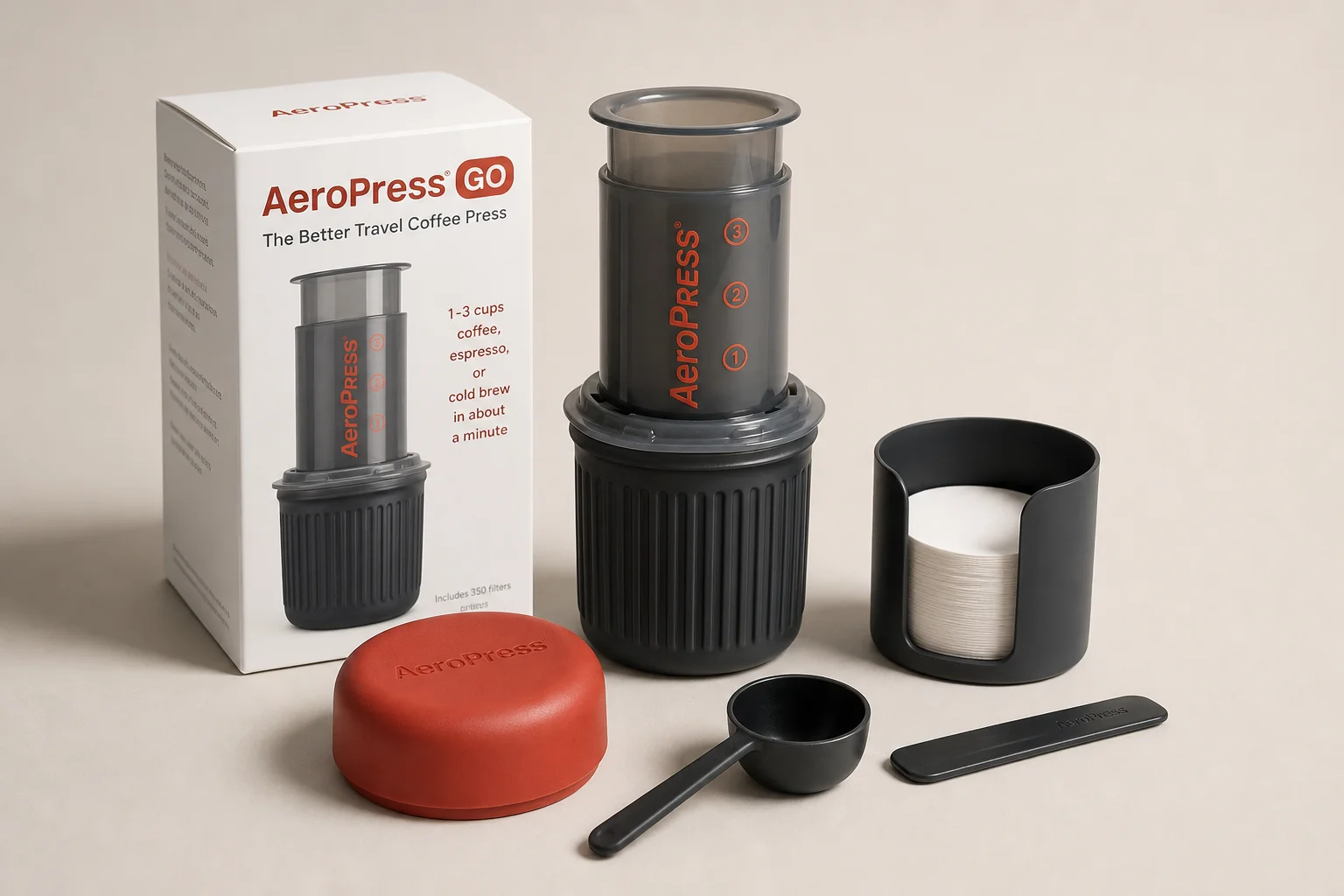
Aeropress Go Review: A Compact Travel Brewer That Solves One Specific Problem
The Aeropress Go shrinks the original design and adds an integrated cup, but it may not address the travel challenges most coffee enthusiasts actually face.
Coffee Equipment
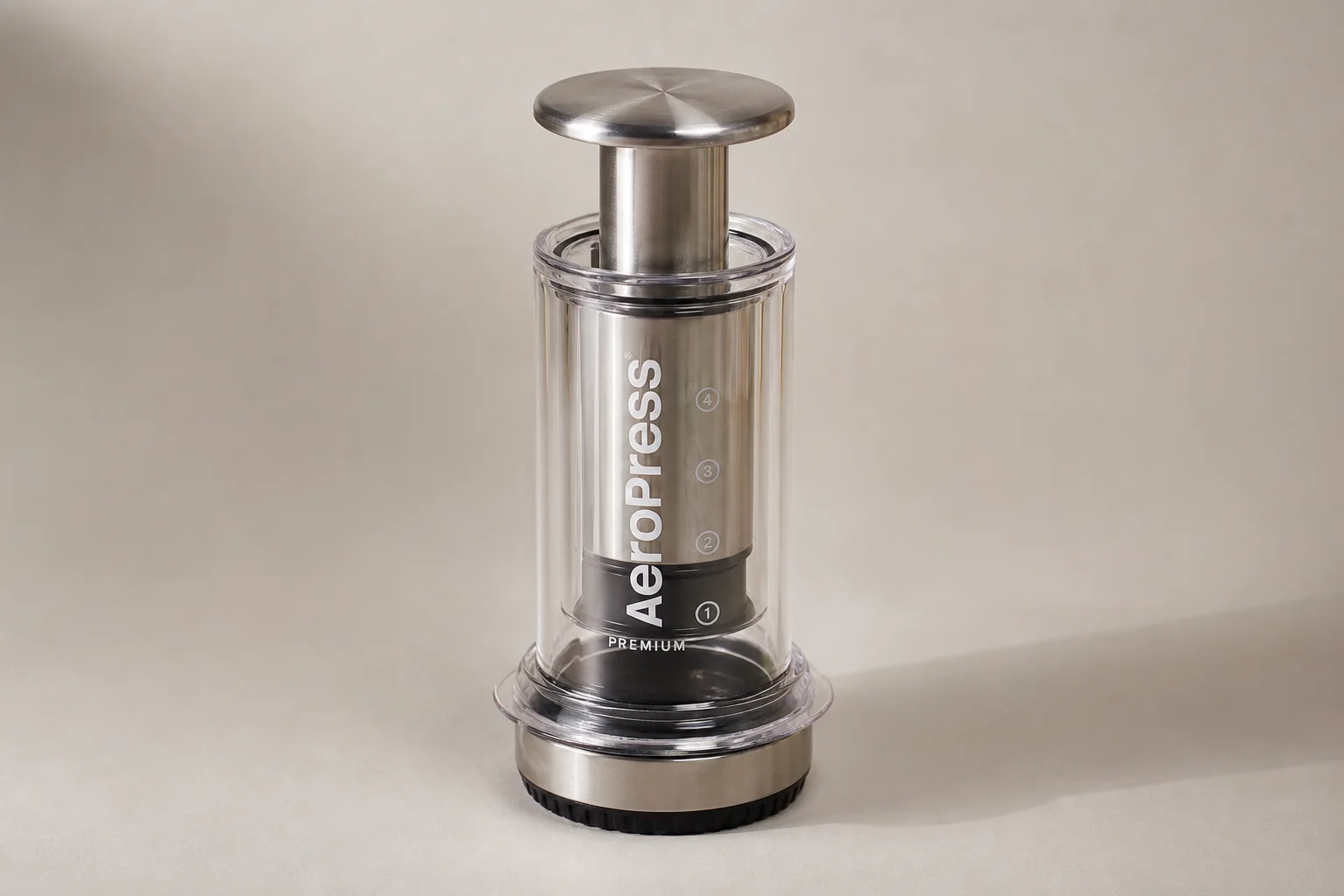
AeroPress Premium Review: Premium Materials, Practical Trade-offs
The AeroPress Premium brings glass and metal construction to a beloved brewer, but trades portability and durability for a more refined feel. Here's what changes in the cup and what matters before you buy.