Kitchen Equipment
Instant Pot Precision Six Quart Dutch Oven vs. Traditional Dutch Ovens and Slow Cookers
Can a hybrid Dutch oven and slow cooker combo replace two essential kitchen tools? We tested the Instant Pot Precision against standalone Dutch ovens and slow cookers to find out.
Introduction
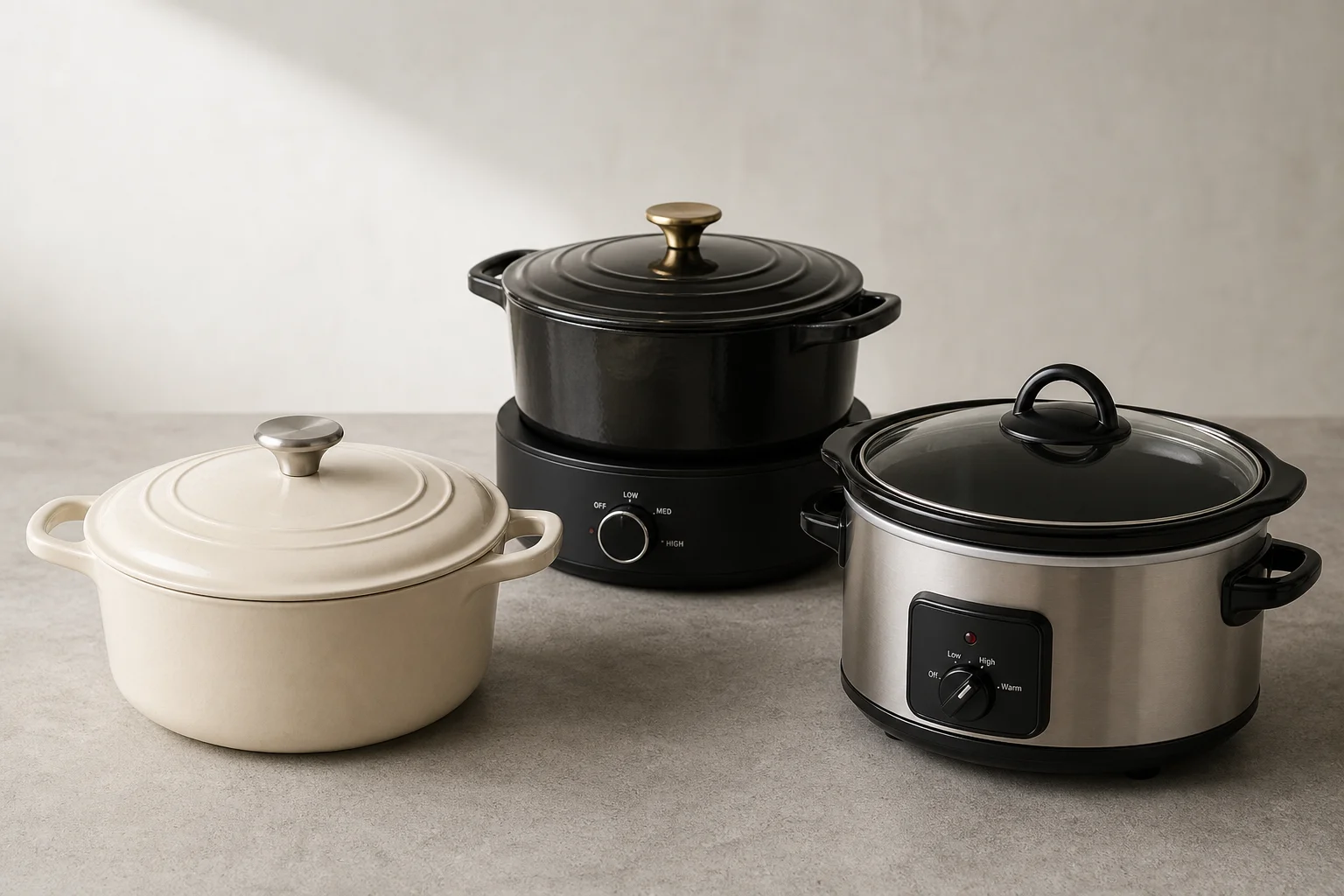
Dutch ovens and slow cookers are two of the most versatile tools in any kitchen. Dutch ovens excel at searing, braising, and bread baking, while slow cookers handle hands-off cooking for busy schedules. The Instant Pot Precision Six Quart Dutch Oven promises to combine both functions into one vessel. But does a hybrid actually work as well as two dedicated tools?
We tested the Instant Pot Precision against our favorite standalone Dutch ovens and slow cookers to see whether it can truly replace both, or whether you’re better off keeping them separate.
Why Dutch Ovens Matter: Key Design Features
Dutch ovens are among the most essential kitchen tools. Their enameled cast iron construction makes them ideal for searing, braising, bread baking, and slow stovetop cooking. The cast iron radiates heat evenly, while the enamel coating eliminates the maintenance burden of seasoning and protects food from metallic reactions with acidic ingredients like tomato sauce.
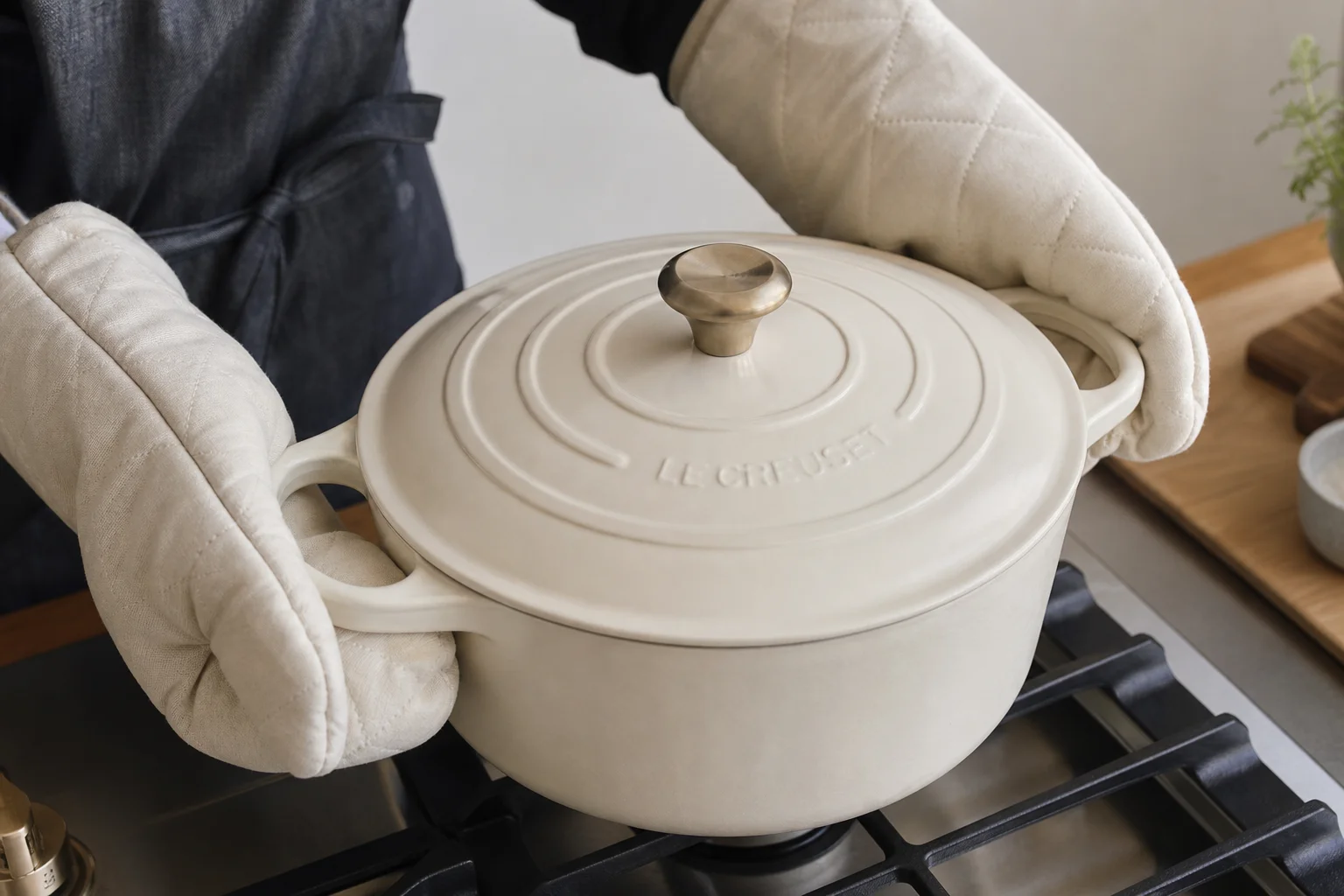
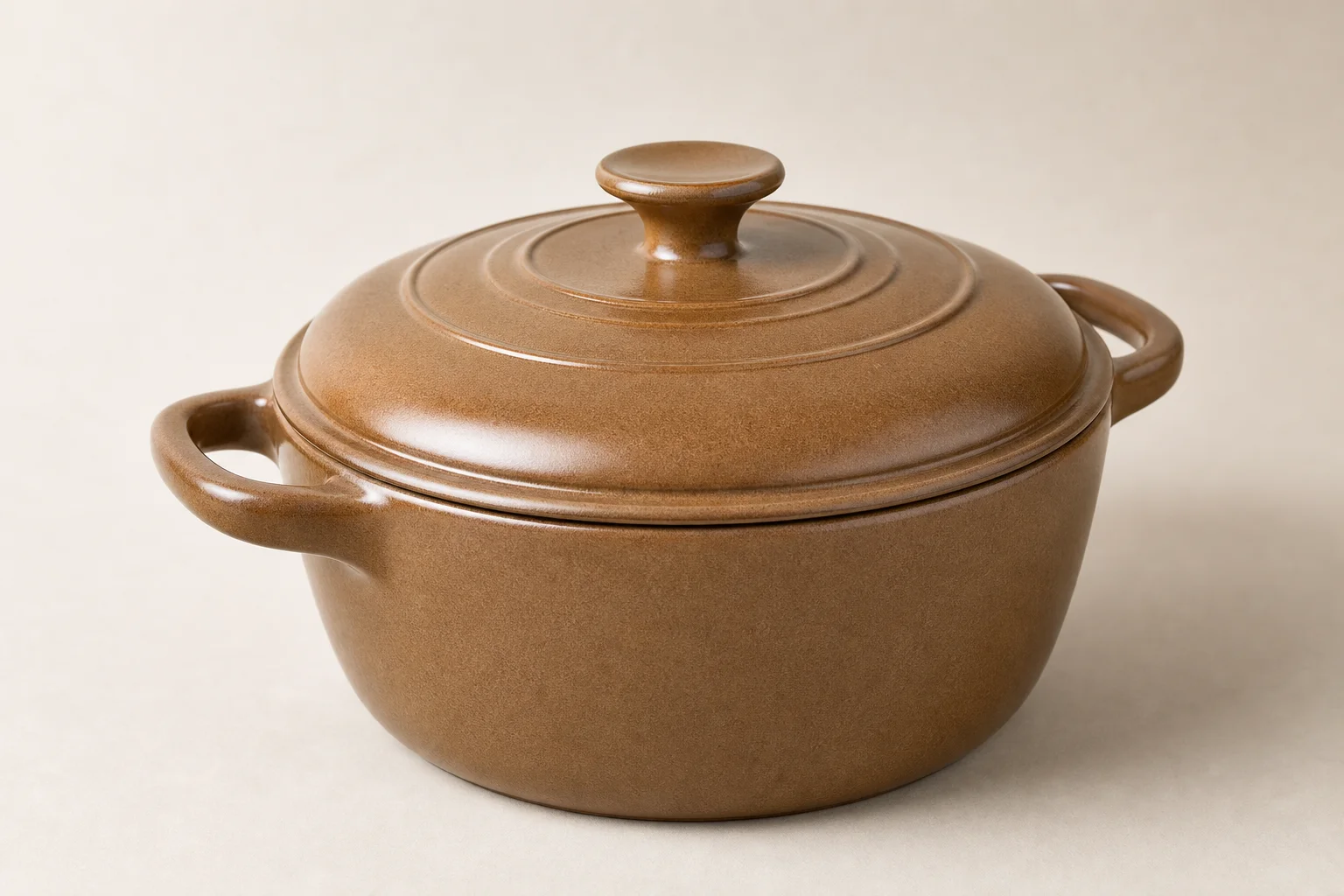
We tested a wide range of Dutch ovens, including models from Le Creuset, Cuisinart, Staub, Emile Henry, and Lodge. The standout performers shared several key features. First, enameled cast iron proved superior to uncoated cast iron or ceramic stoneware. Regular cast iron requires ongoing maintenance and can impart a metallic taste when used with acidic foods. Ceramic models, like the Emile Henry we tested, proved fragile; the lid cracked simply from being placed back on the pot without force.
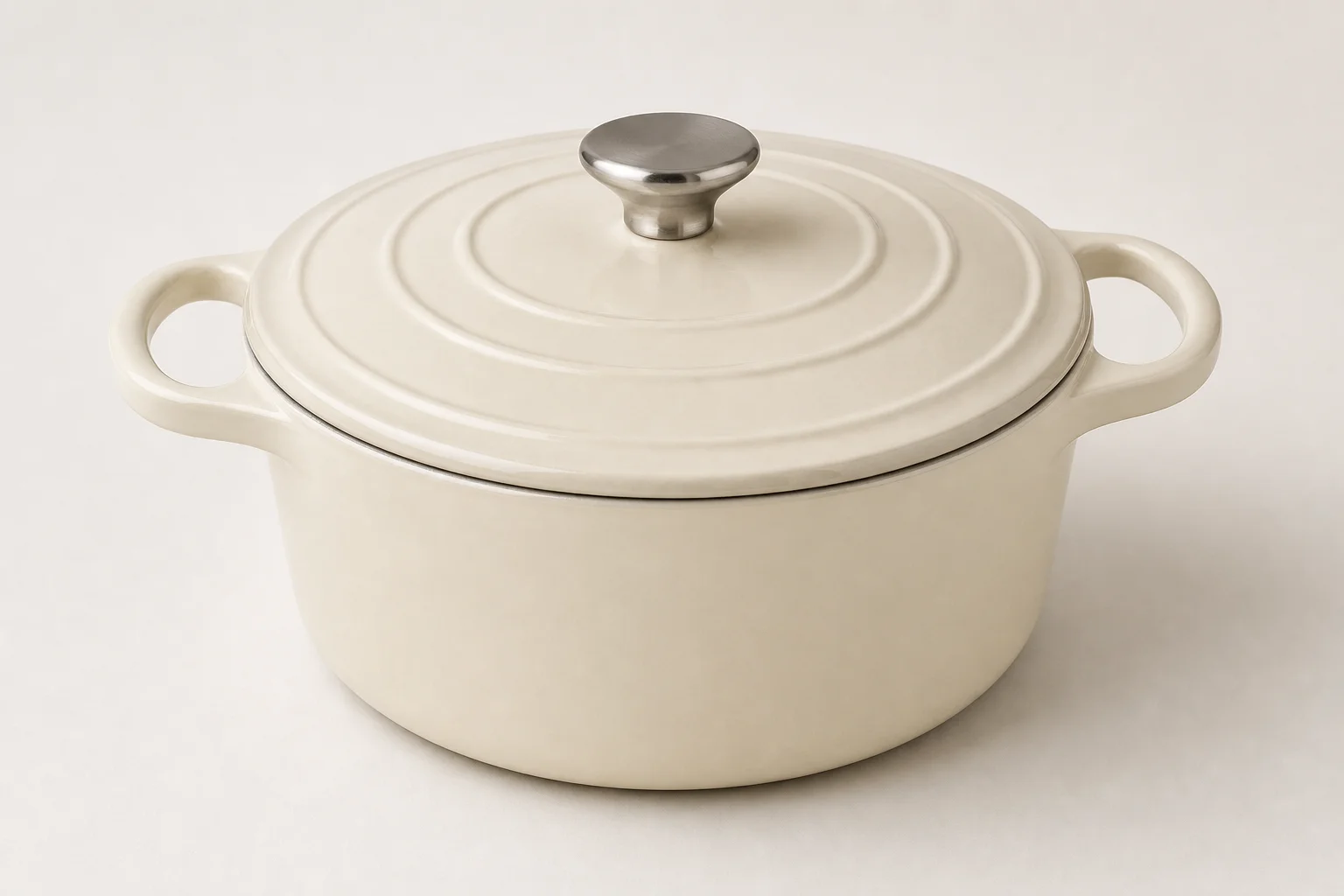
The interior color makes a measurable difference. Light-colored interiors, like the cream finish in our top performers, allow you to see exactly how much browning is developing on meat. Dark interiors make it harder to judge doneness and can lead to accidentally burning food, which ruins the entire dish. The shape also matters: low, straight sides and a broad cooking surface let you sear more food in fewer batches, saving time during meal prep.
Handle design is critical because these pots are heavy, typically 16 to 20 pounds. Broad, looped handles that accommodate thick oven mitts provide security when moving a hot pot in and out of the oven. Small tabs or narrow handles create stress and risk of dropping.
Material and Interior Color: Why It Matters
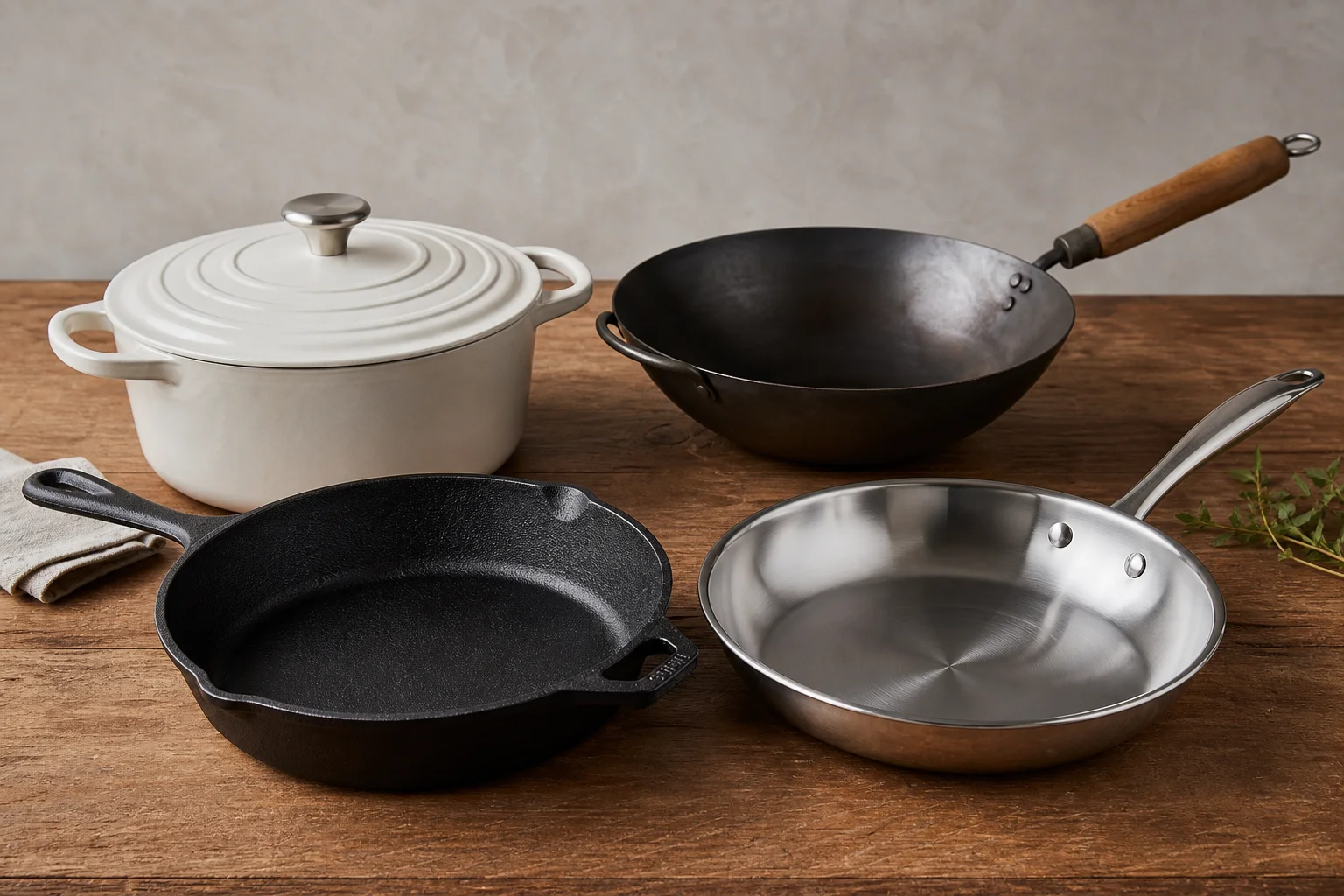
The choice between enameled and uncoated cast iron significantly affects usability. Enameled cast iron is essentially a glass-like non-reactive coating that covers the entire pot. This means you can cook acidic foods without worry and you don’t need to season or maintain the surface like you would with bare cast iron.
The downside is that enamel can chip if handled roughly. Le Creuset mitigates this with a slightly wider rim that leaves the very top edge uncoated, giving spoons a safe surface to strike without damaging the enamel.
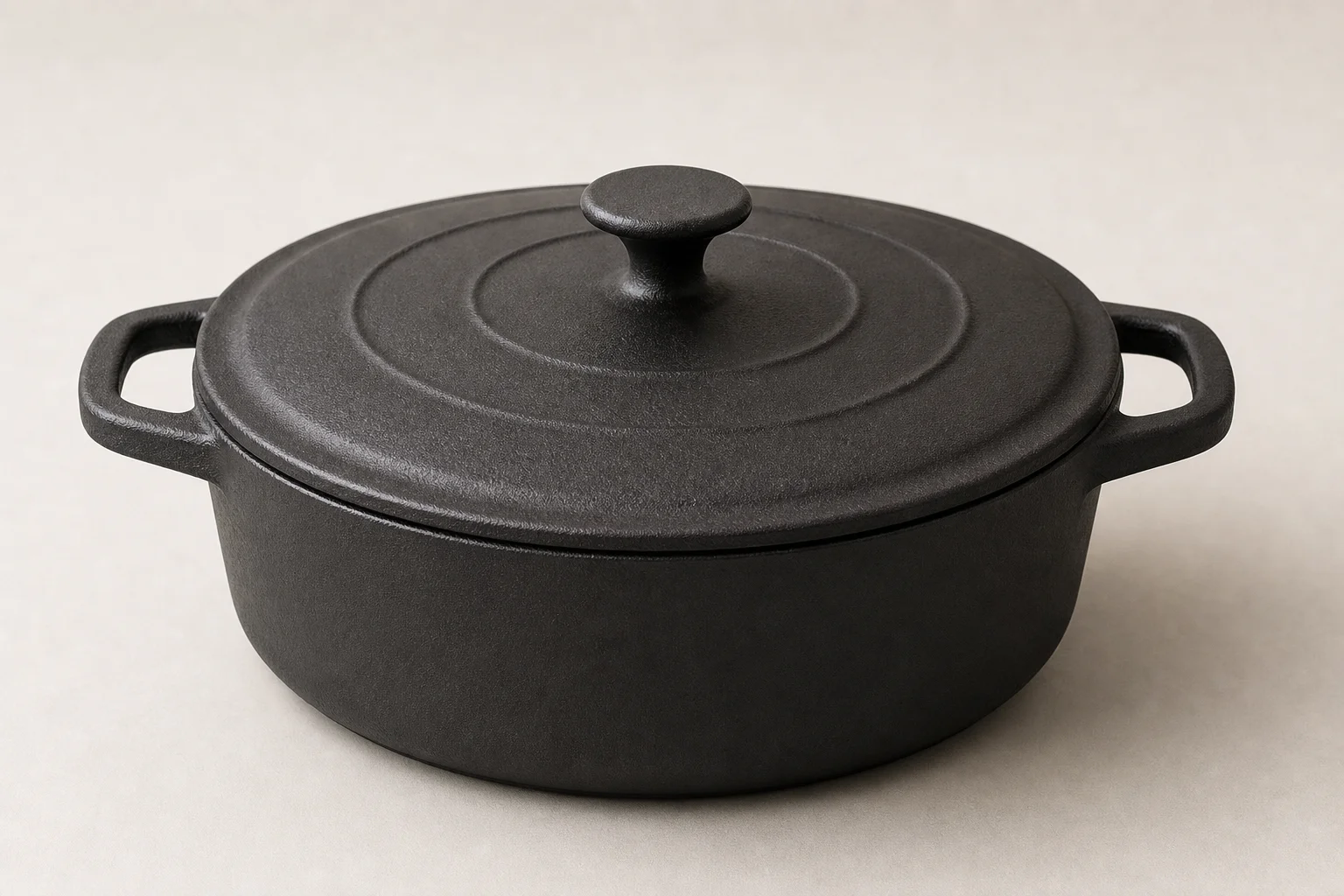
Uncoated cast iron, while excellent for bread baking due to its superior heat absorption and the resulting crispy crust, requires careful maintenance. You must oil it regularly and avoid prolonged contact with acidic sauces. In our testing, after cooking tomato sauce in an uncoated cast iron Dutch oven and then deep frying in it, we detected a faint metallic taste in the fried food. For versatility, enameled cast iron wins.
What Makes a Slow Cooker Perform Well
Slow cookers promise convenient all-day cooking, but performance varies dramatically. In our testing, some models produced pot roasts that were rock-hard and chewy on one side while mushy on the other. Others were uniformly mushy or tough. We partnered with MIT to understand why.
The key difference lies in heat distribution. Most slow cookers use a ceramic stoneware crock with heating elements wrapped around the outside. These nichrome heating elements concentrate heat at the ends, creating hot spots and corresponding cool spots that result in uneven cooking.
Better slow cookers transmit heat more evenly throughout the cooking chamber. Double-layer insulation helps buffer and distribute heat while also improving energy efficiency by keeping heat inside the pot rather than radiating it into the air. A temperature sensor that prevents overheating is another valuable feature; without it, some slow cookers boil food into oblivion.
Capacity and shape matter too. A six to seven quart capacity handles both small and large meals. An oval shape accommodates longer items like ribs or brisket, whereas a round shape limits what you can fit. Digital controls beat manual dials because they’re responsive, provide audible alerts, and clearly show what the machine is doing. Glass lids let you check food without opening the pot and dropping the internal temperature, which would extend cooking time.
Testing the Instant Pot Precision: Real-World Performance
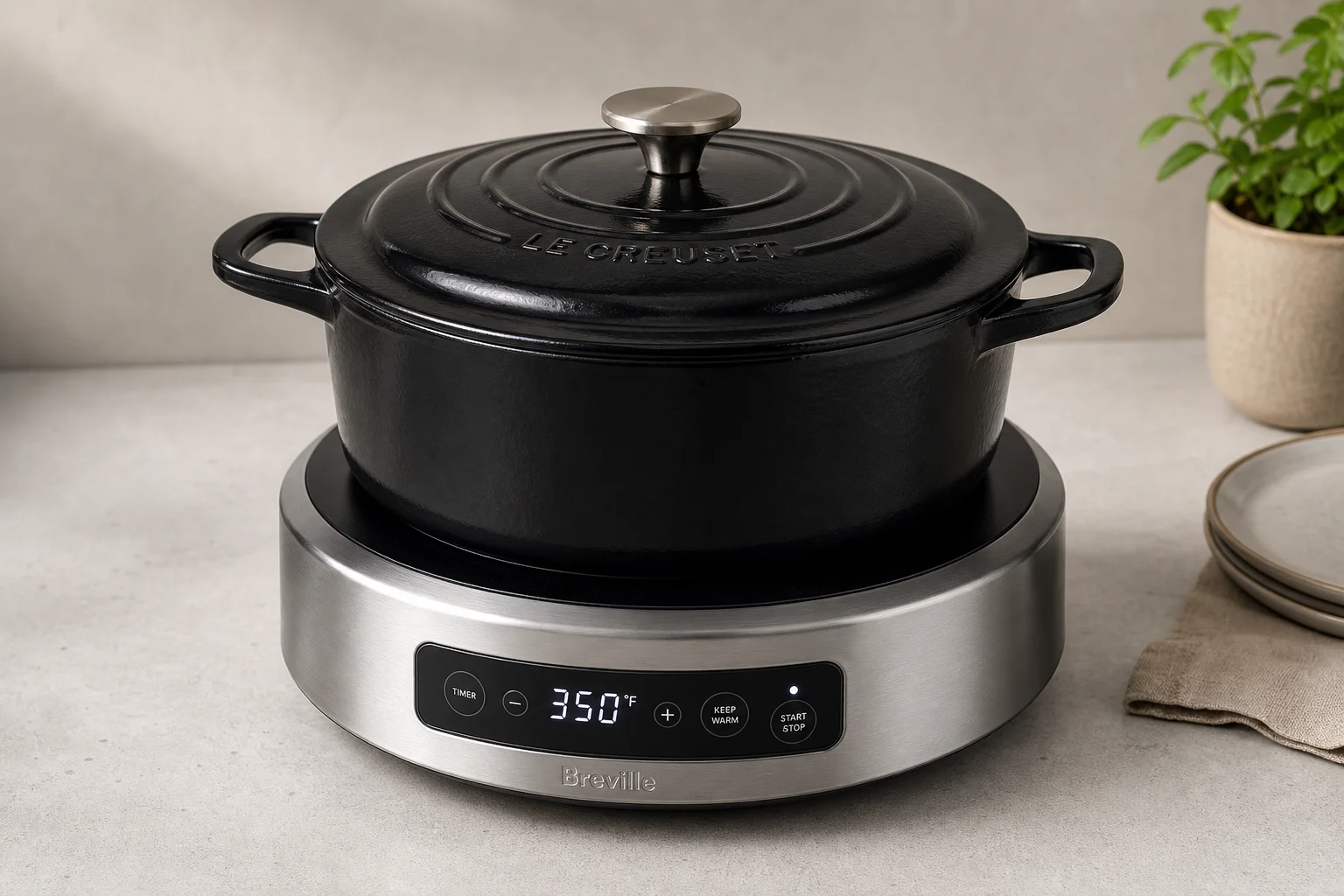
The Instant Pot Precision Six Quart Dutch Oven is essentially an enameled cast iron Dutch oven mounted on a heating base. You can use it as a standalone Dutch oven or place it in the base to function as a slow cooker. The controls offer four functions: sear and saute, slow cook, braise, and manual temperature adjustment from 204 to 400 degrees Fahrenheit.
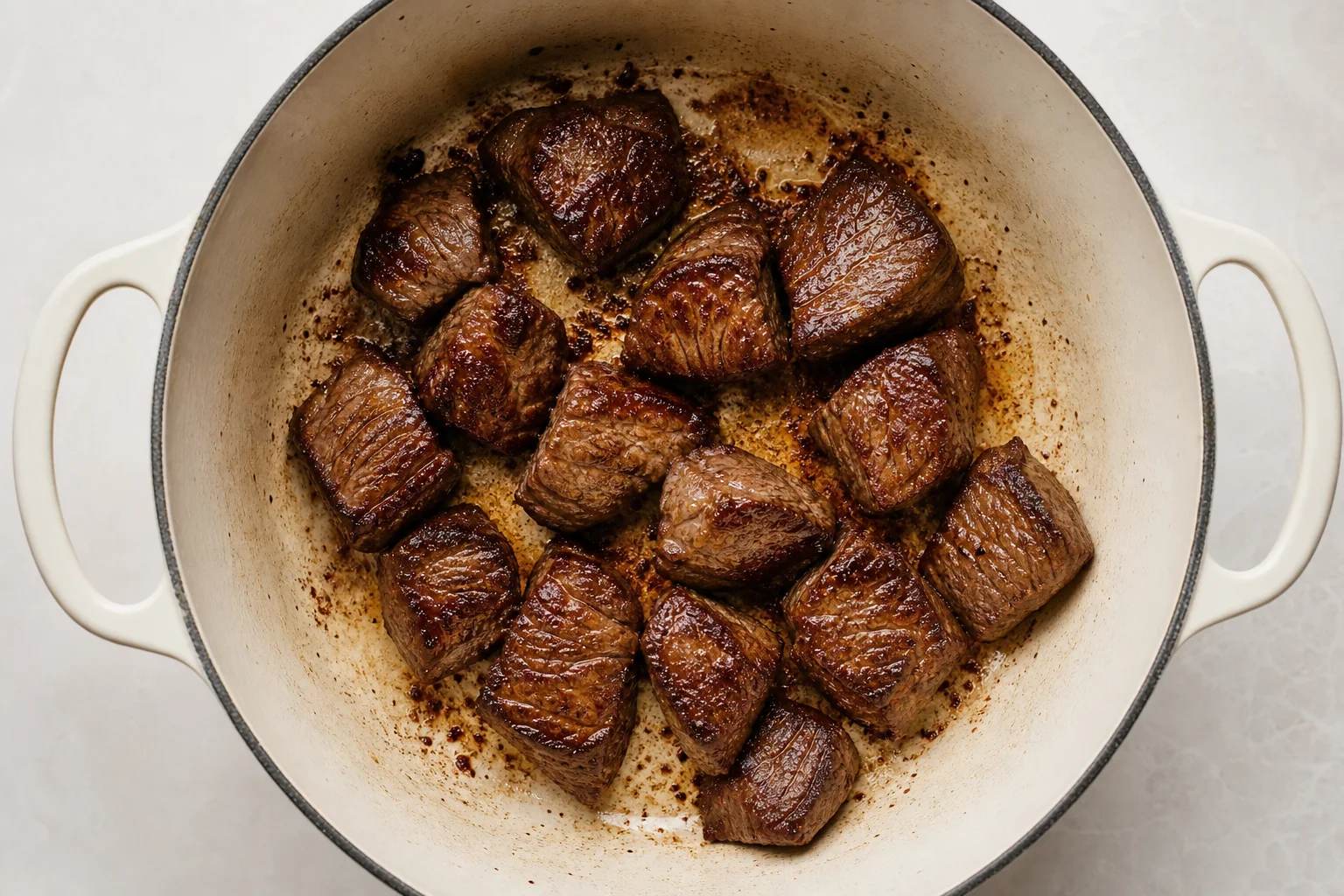
We tested it using a braised short ribs recipe that exercises all three main functions: searing the meat, building a braising liquid, and slow cooking until tender.
Searing and Sauteing: Strong Performance
The cast iron base excels at searing. Unlike ceramic slow cooker crocks, cast iron holds heat exceptionally well and browns meat effectively. The pot preheats before you add food, signaling readiness with a beep. The sizzle and browning we achieved were genuine and deep, not weak or wimpy. This is a clear advantage over most ceramic-based slow cookers.
Slow Cooking: Mixed Results
The slow cooking function worked, but with caveats. The pot offers only one slow cook setting, which lacks the precision of dedicated slow cookers that offer low and high settings. You have to experiment with timing and temperature to dial in recipes. Additionally, if you want to adjust the temperature mid-cook, you must turn the pot off and restart it at the new setting rather than simply adjusting a dial. This is inconvenient.
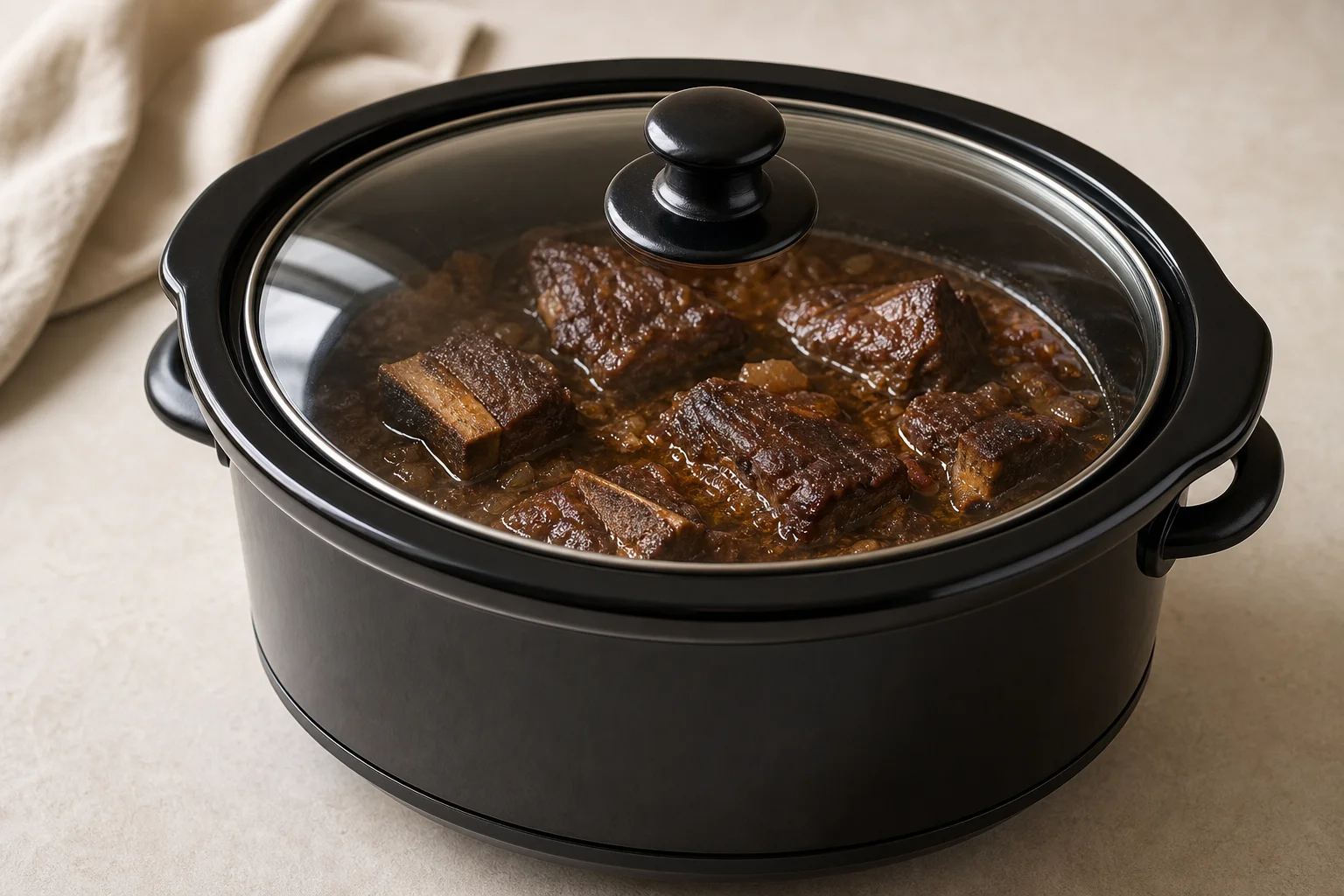
The round shape limits capacity compared to our favorite Dutch ovens. The flat cooking surface measures just 8.5 inches across, whereas our top-performing Le Creuset is 9.5 inches and the Cuisinart is 10 inches. That one to one-and-a-half inch difference meaningfully reduces how much food you can fit and how you can arrange it.
The black interior enamel, while attractive, makes it harder to judge browning compared to light-colored interiors. You lose the visual feedback that helps prevent burning.
Overall Assessment
The Instant Pot Precision produced excellent braised short ribs with tender meat and a rich, thickened sauce. It does combine searing, braising, and slow cooking in one vessel. However, it doesn’t fully replicate the performance of dedicated tools. The learning curve is steeper than with straightforward Dutch ovens or slow cookers, and we prefer products that deliver success right away without experimentation.
Should You Buy the Combo or Keep Them Separate?
The Instant Pot Precision makes sense if you have limited kitchen space and want one tool that handles multiple functions. It’s more expensive than buying our best-buy Dutch oven and a quality slow cooker separately, but it eliminates the need for two appliances.
However, if you cook regularly and value precision and ease of use, separate tools remain the better choice. A dedicated Dutch oven gives you the full cooking surface, light interior, and straightforward handling of a purpose-built design. A dedicated slow cooker with dual heat settings, even heat distribution, and a glass lid delivers more reliable results with less guesswork.
The hybrid works, but it asks you to compromise on multiple fronts: interior color, cooking surface size, temperature control precision, and the learning curve required to use it effectively. For most home cooks, those trade-offs outweigh the space savings.
Conclusion
Dutch ovens and slow cookers are kitchen staples for good reason. The Instant Pot Precision Six Quart Dutch Oven is a capable hybrid that successfully combines searing, braising, and slow cooking in one vessel. But it doesn’t fully replace either tool. If you’re choosing between the combo and separate pieces, consider your cooking style, available space, and tolerance for a learning curve. For most kitchens, dedicated Dutch ovens and slow cookers remain the more reliable choice.
Further reading
Related Reviews
Kitchen Equipment
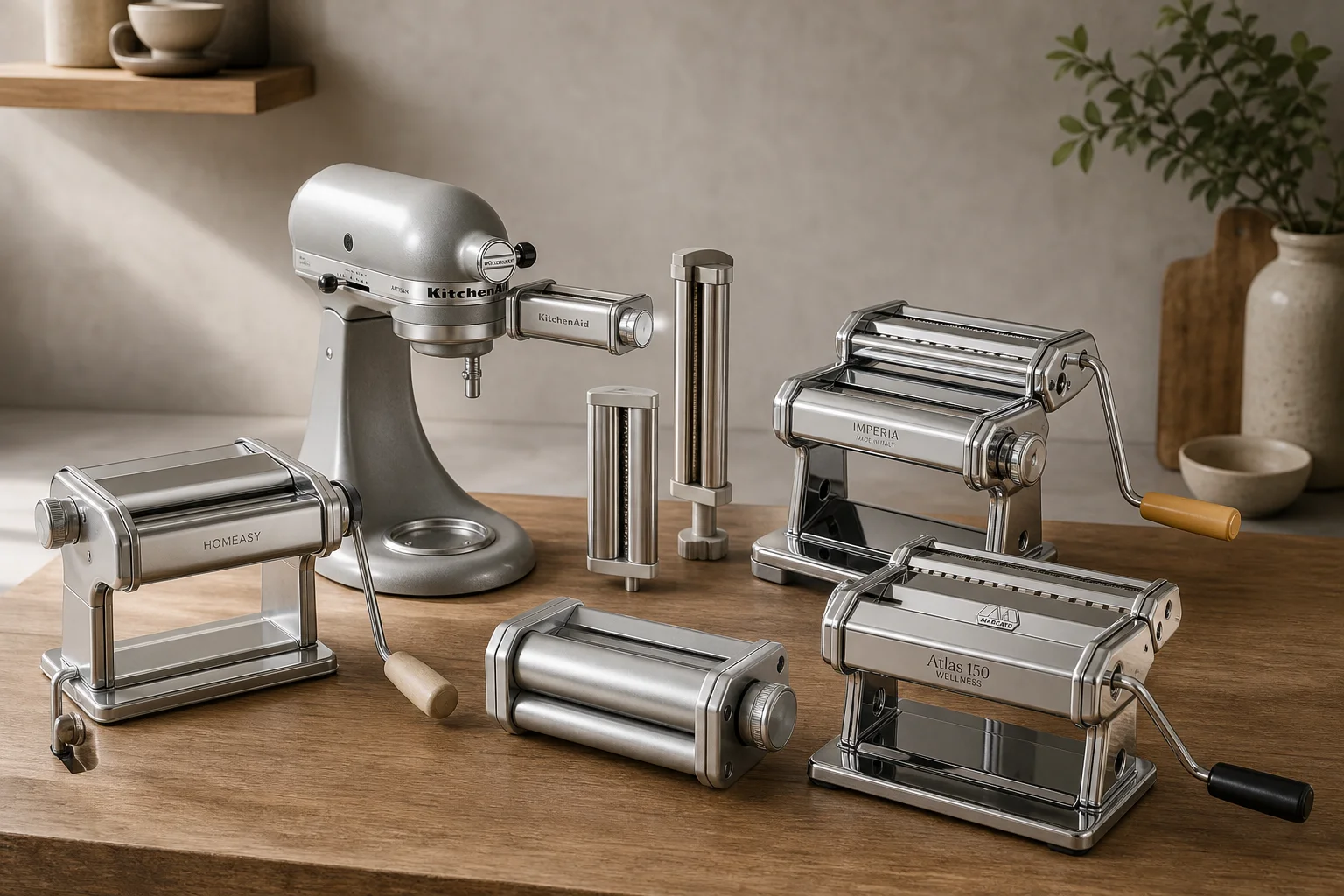
Best Pasta Makers for Home Kitchens: Five Machines Compared
Five pasta makers from manual hand-crank models to powered attachments, each with distinct strengths for different cooking styles and kitchen setups.
Kitchen Equipment
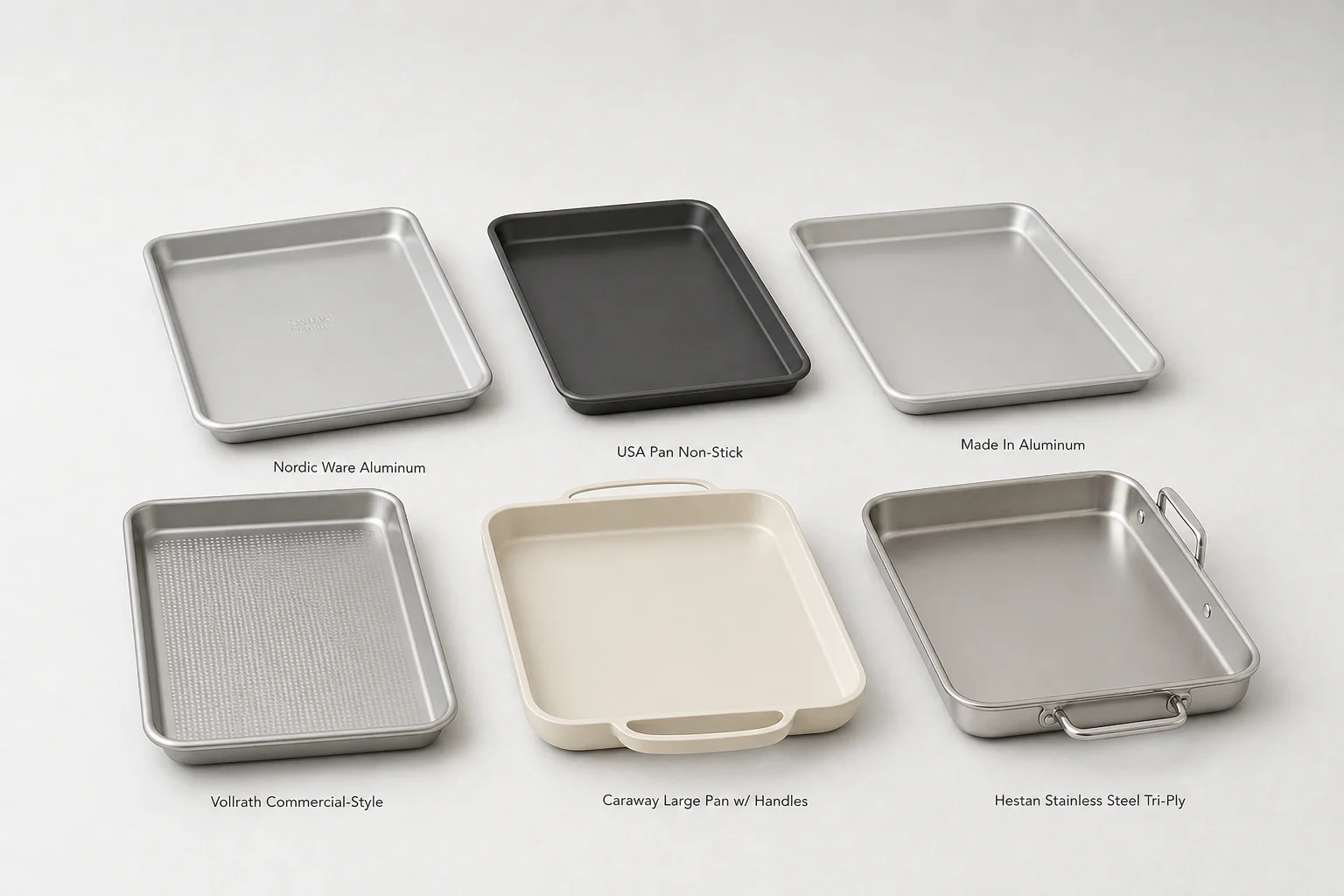
Best Sheet Pans Tested: Which Brands Resist Warping and Cook Evenly
Six popular sheet pans tested for warping resistance, roasting performance, and ease of cleaning. Find out which offers the best value and which to avoid.
Kitchen Equipment
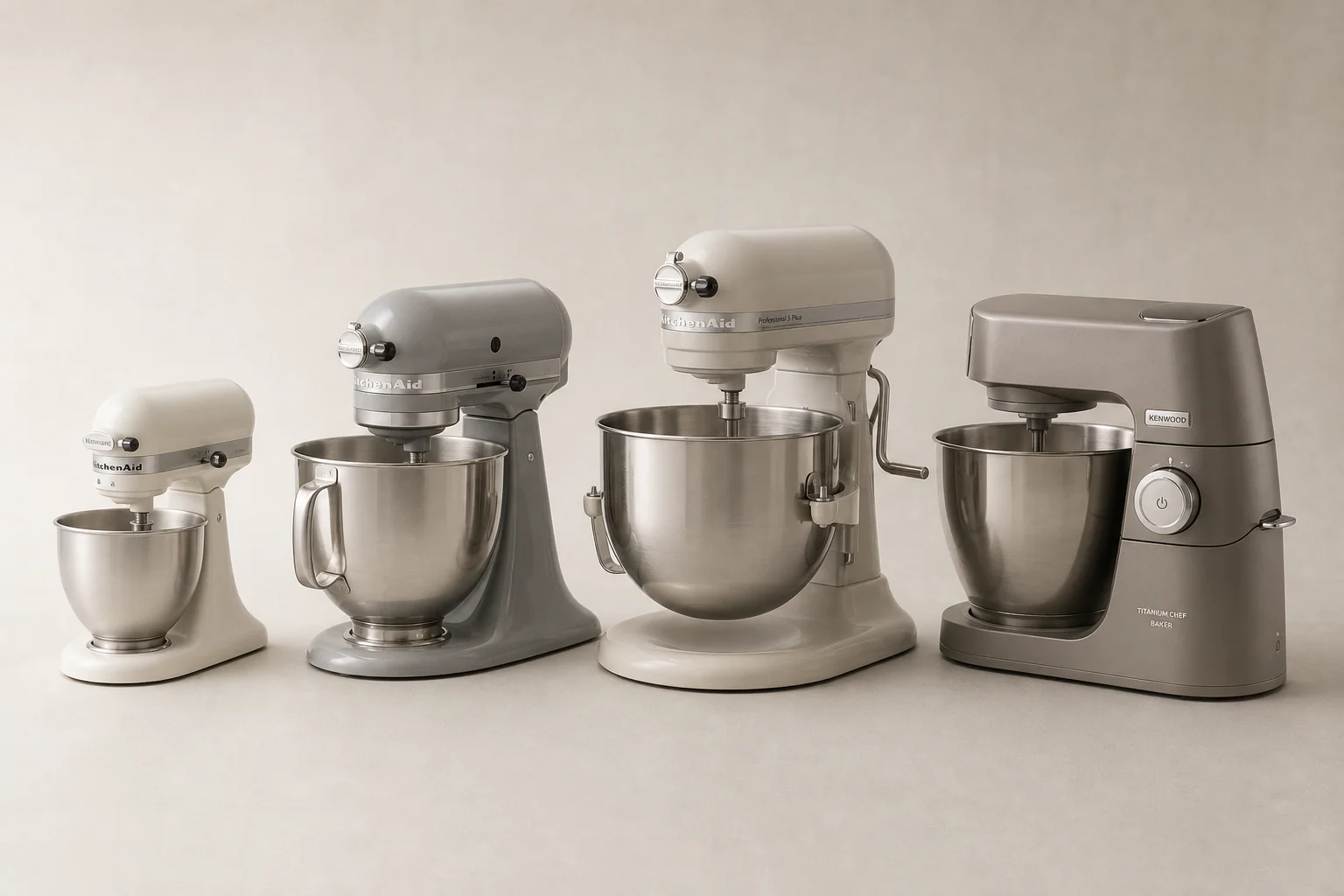
Best Stand Mixers for Home Bakers: Four Tested Models for Every Budget
Four stand mixers tested across whipping, creaming, and heavy-duty dough kneading. Find the right mixer for your baking needs and budget.