Kitchen Appliances
Instant Pot Pro vs Duo: Why the New Model Breaks Bean Cooking
The Instant Pot Pro offers better hardware but introduces frustrating changes to slow cooking that affect how beans are prepared. Here's what changed and why it matters.
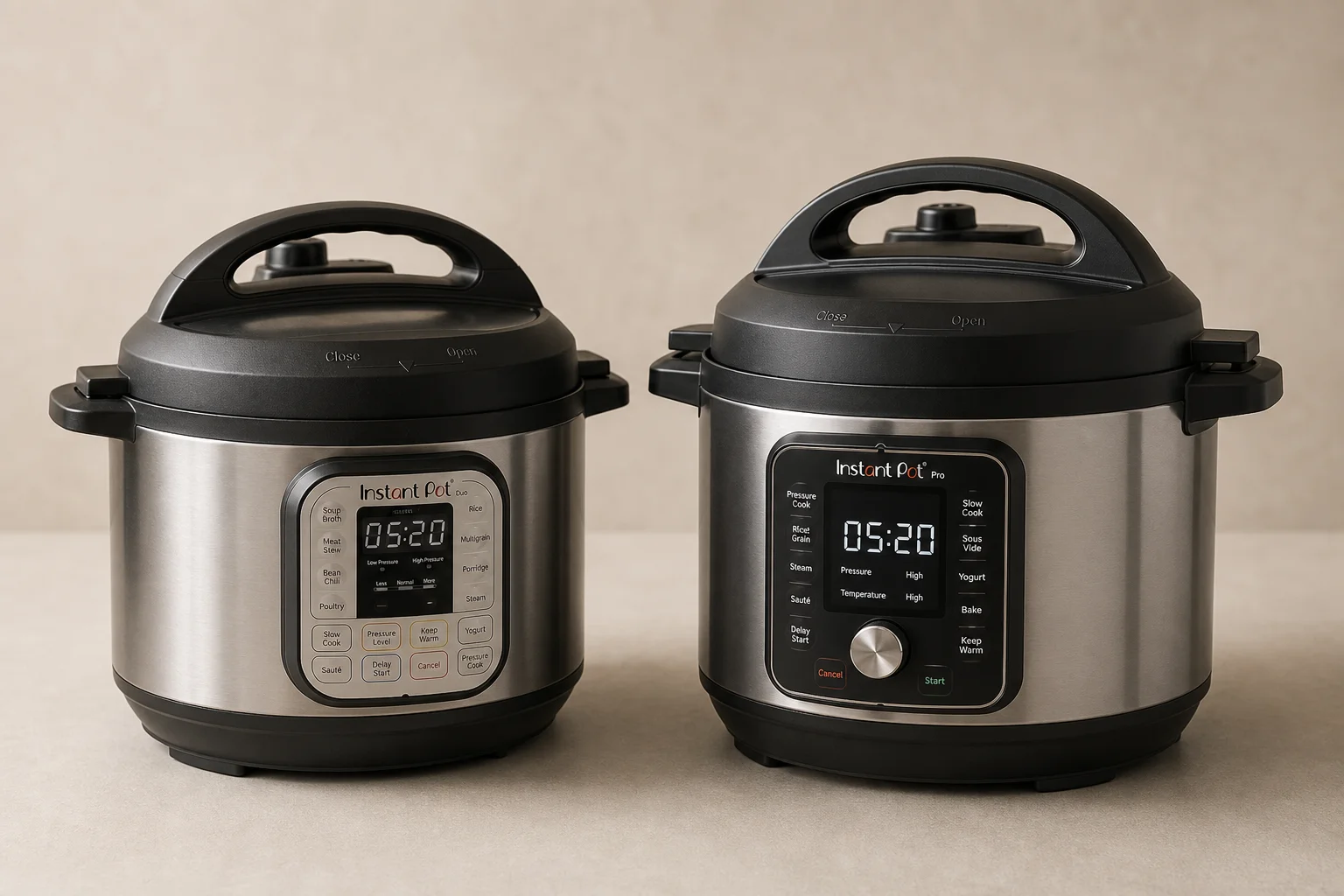
Introduction
After eight years of relying on the Instant Pot Duo for bean cooking, a failing gasket prompted a switch to the Instant Pot Pro. While the new model brings welcome hardware improvements, it introduces a critical flaw in slow cooking that undermines one of the most reliable methods for preparing dried beans.
Hardware Improvements That Work
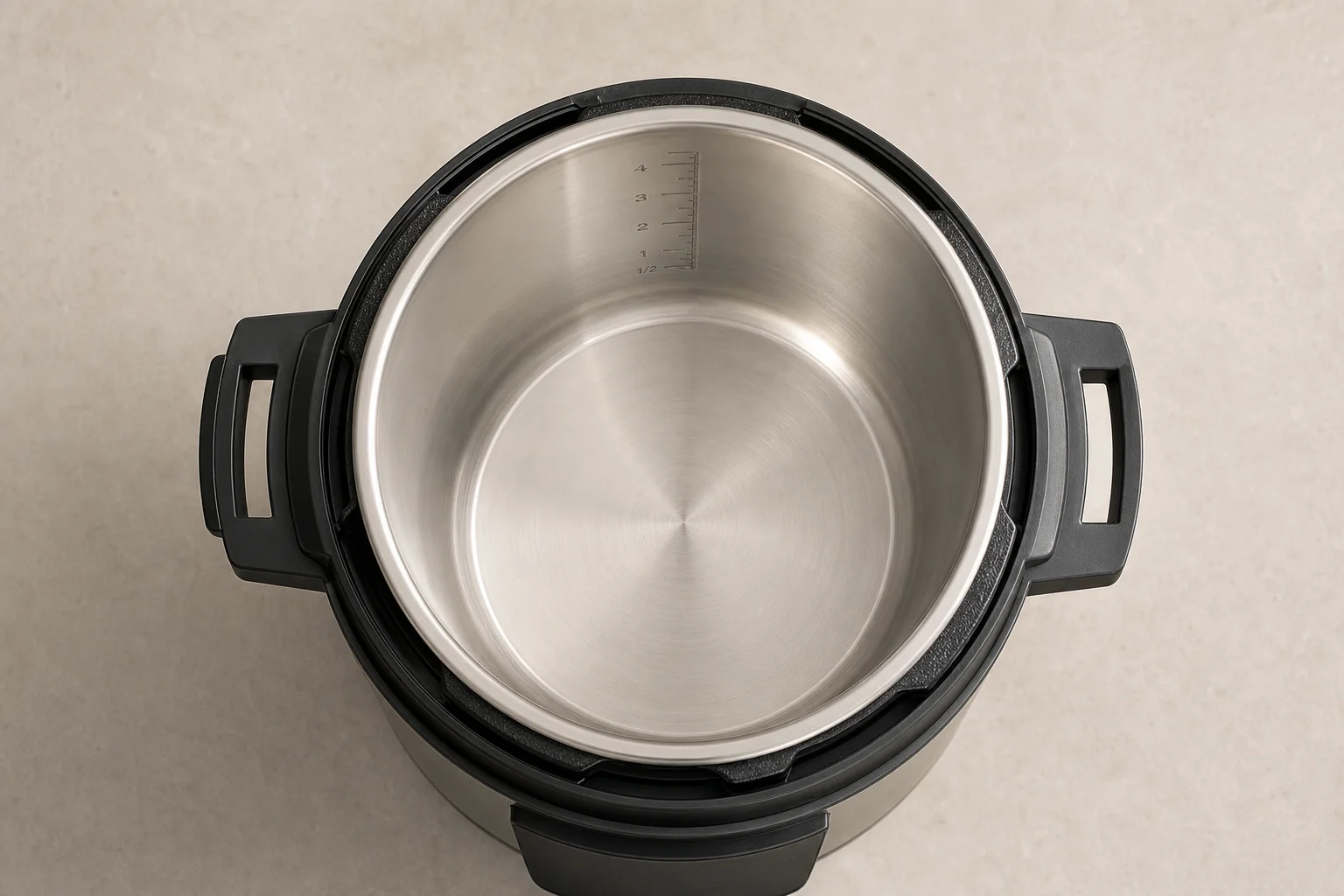
The Instant Pot Pro addresses several practical frustrations from the older Duo model. The redesigned handles make removing the insert far easier and prevent it from spinning when stirring. The flat bottom insert is a genuine upgrade, since the Duo’s curved center caused uneven cooking of small quantities of rice and quinoa.
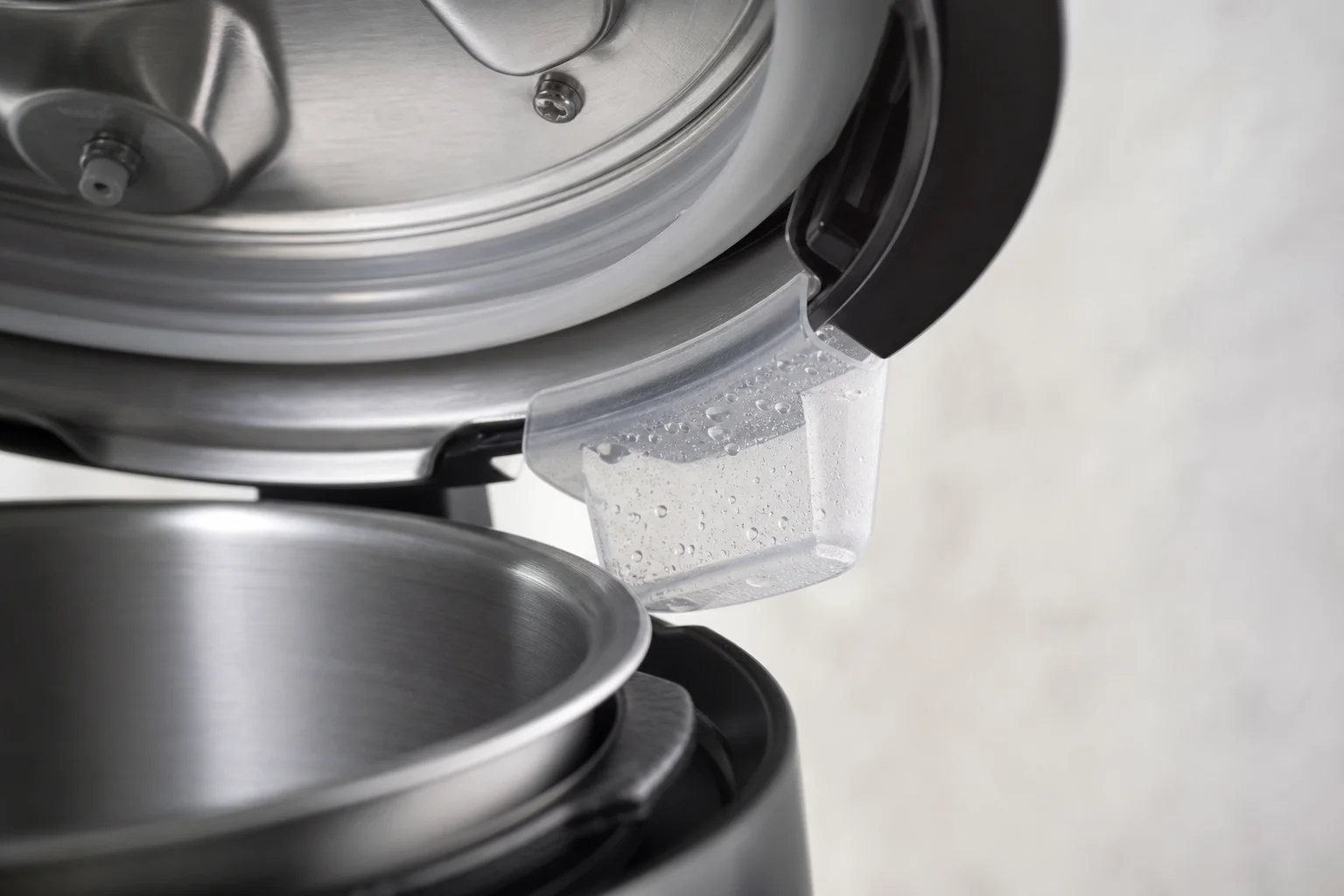
The new insert also includes measurement markings on the side, a small but useful feature for recipe development. Water management is noticeably better: the Duo would fill a condensation cup within hours during longer cooks, requiring an improvised drainage system. The Pro’s improved seal eliminates this puddle problem entirely.
The Slow Cooking Problem
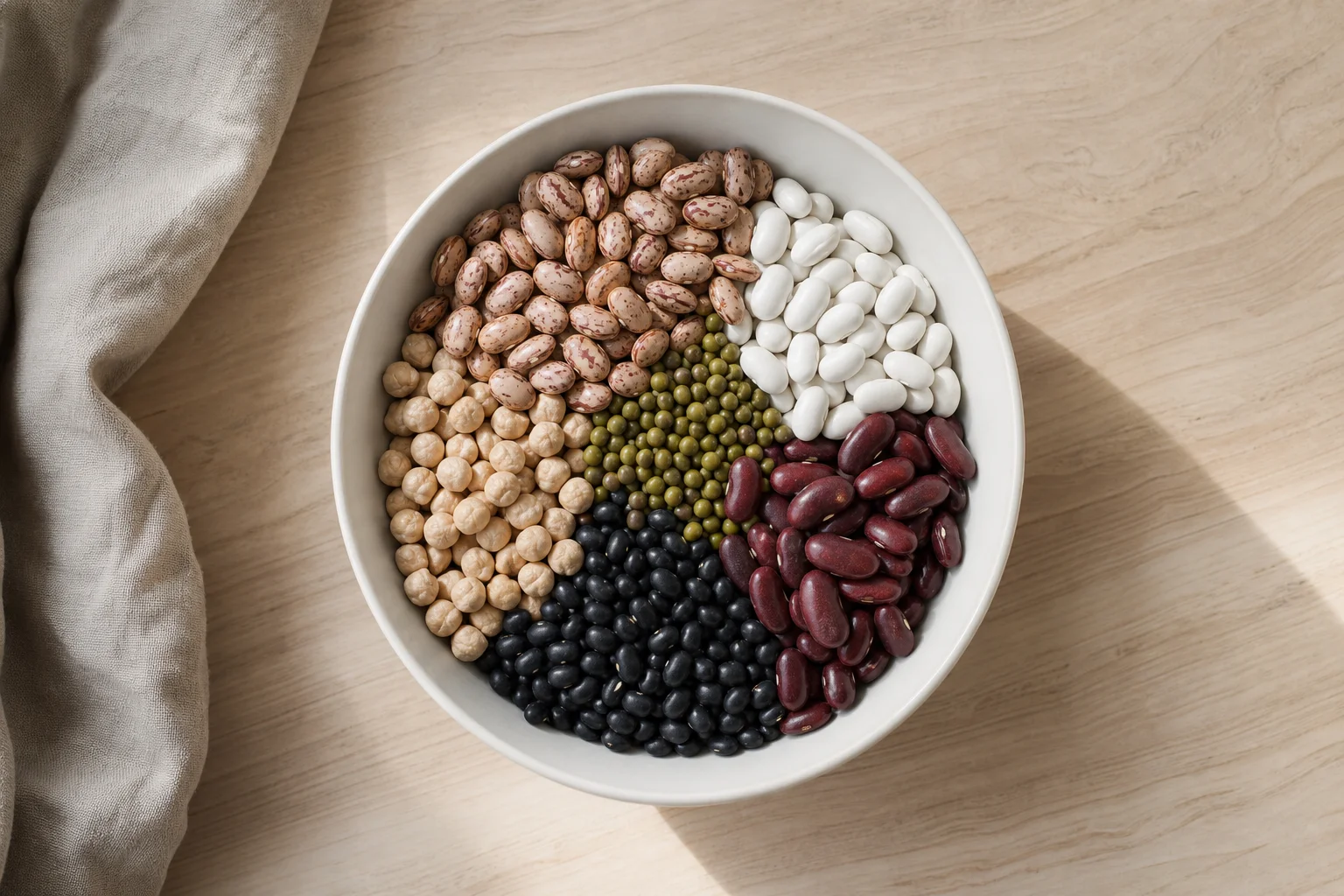
The critical issue lies in the slow cooking function. The Duo maintained a consistent 194 degrees Fahrenheit on the slow cook high setting, which is the ideal temperature for cooking dried beans. This temperature is high enough to tenderize beans and destroy lectins, yet low enough to keep water perfectly still without bubbling, even with delicate varieties like kolini beans.
The Pro’s slow cook function is unreliable from a cold start. Testing showed slow cook high reading 150 degrees after one hour but jumping to 205 degrees after twelve hours. Slow cook low was even worse, starting at 130 degrees and climbing to 225 degrees. The function lacks any temperature consistency, making it unsuitable for the precise temperature control that bean cooking requires.
The user manual provides no temperature specifications for the slow cook setting, and the company did not respond to inquiries about the issue. Research revealed that the slow cook function was redesigned to maintain temperature in an already-hot pot rather than heat from cold, a fundamental change in how the feature works. Even when preheating water to 190 degrees and then switching to slow cook high, the temperature dropped to 170 degrees within an hour.
Finding a Workaround with Sauté Mode
After exhausting slow cook options, the sauté setting proved more reliable. Setting the Pro to 190 degrees on sauté mode delivered a consistent 196 degrees that held steady for ten hours, perfect for beans. While sauté mode is not designed for this purpose and lacks the precision needed for animal proteins like steak, beans are forgiving enough to cook well at any temperature between 190 and 200 degrees.

This workaround solves the immediate problem but highlights a larger concern: the Pro’s slow cook function is fundamentally broken for its traditional use case.
The Bigger Picture: Accuracy and Standards
The Instant Pot Pro introduces a new automatic sealing feature that switches the lid to seal mode when clicked into place. This can cause unexpected pressure buildup if the vent is left open, so using a regular pot lid for non-pressure cooking is the safest approach.
More troubling is the loss of specification transparency. The Duo’s manual explicitly listed temperature ranges for slow cooking; the Pro provides none. Without published specifications, any temperature can be considered acceptable, making it impossible to develop reliable recipes or share cooking standards. Vague interface language like “high” and “low” undermines the precision that cooking requires.
As a recipe developer, the pace of change in cooking equipment is increasingly difficult to manage. The shift toward “smart” appliances that make automatic decisions conflicts with the need for accuracy and reproducibility. Appliances should be accurate and transparent about their capabilities, not autonomous decision-makers. Accuracy enables standards, and standards enable the sharing of reliable information across the cooking community.
Conclusion
The Instant Pot Pro improves on the Duo’s hardware in meaningful ways, but the redesigned slow cook function eliminates a reliable method for cooking beans that worked perfectly for years. While the sauté mode workaround is functional, it represents a step backward in usability and a troubling trend toward less transparent, less accurate cooking equipment.
Product link
View more details for Instant Pot Duo
This product is mentioned in the review. Check the specifications, options, and compatibility before buying.
View more details for Instant Pot DuoFurther reading
Related Reviews

Kitchen Appliances
Arboleaf Smart Kitchen Scale Review: Connected Cooking Made Simple
A Bluetooth-enabled kitchen scale that syncs with a nutrition-tracking app, offering real-time weight monitoring and recipe guidance for home cooks.
Kitchen Appliances
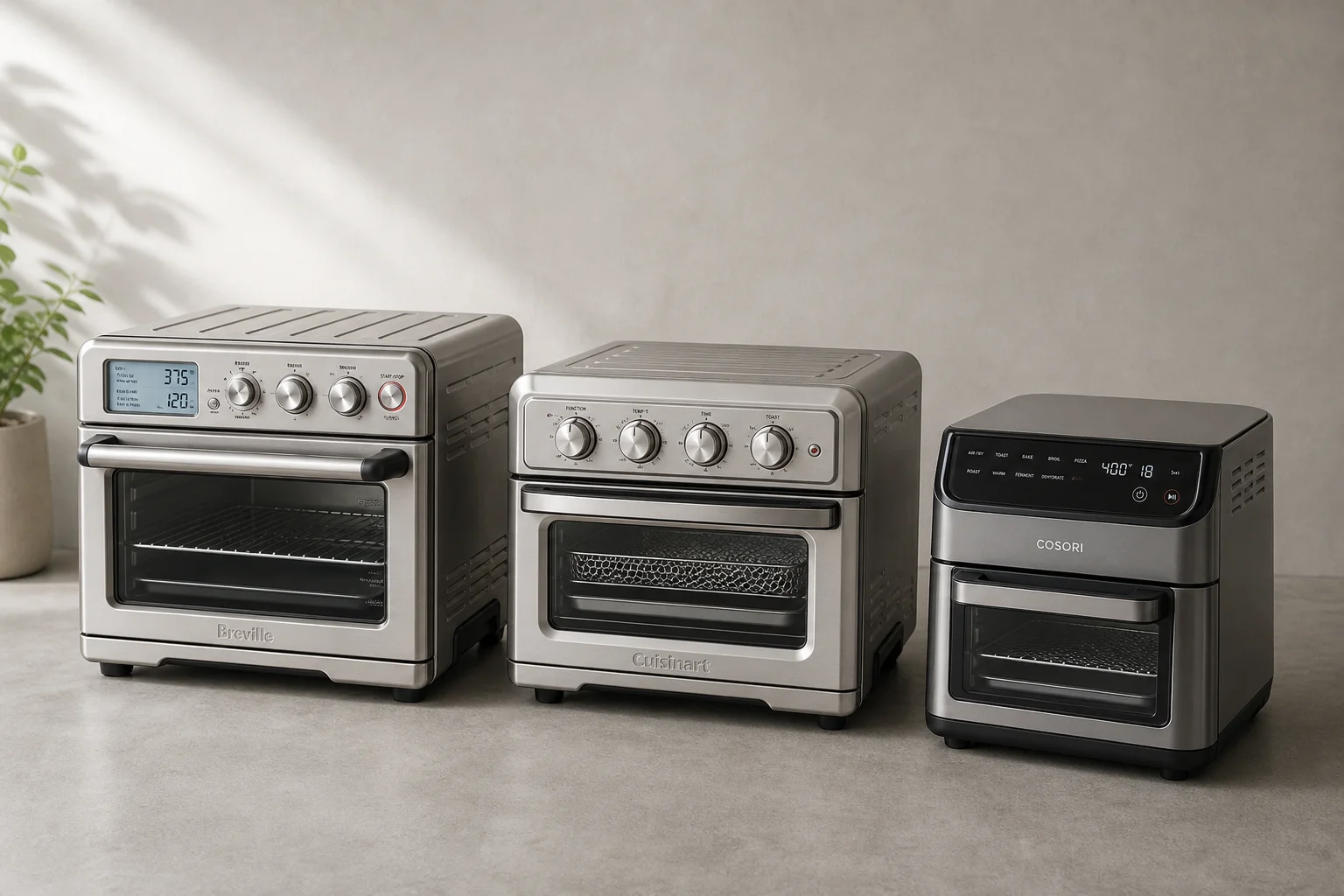
Best Air Fryer Toaster Ovens: Three Top Picks for Multi-Function Cooking
Three high-performing air fryer toaster ovens tested for versatility, ease of use, and real-world cooking results. Find the right fit for your kitchen.
Kitchen Appliances
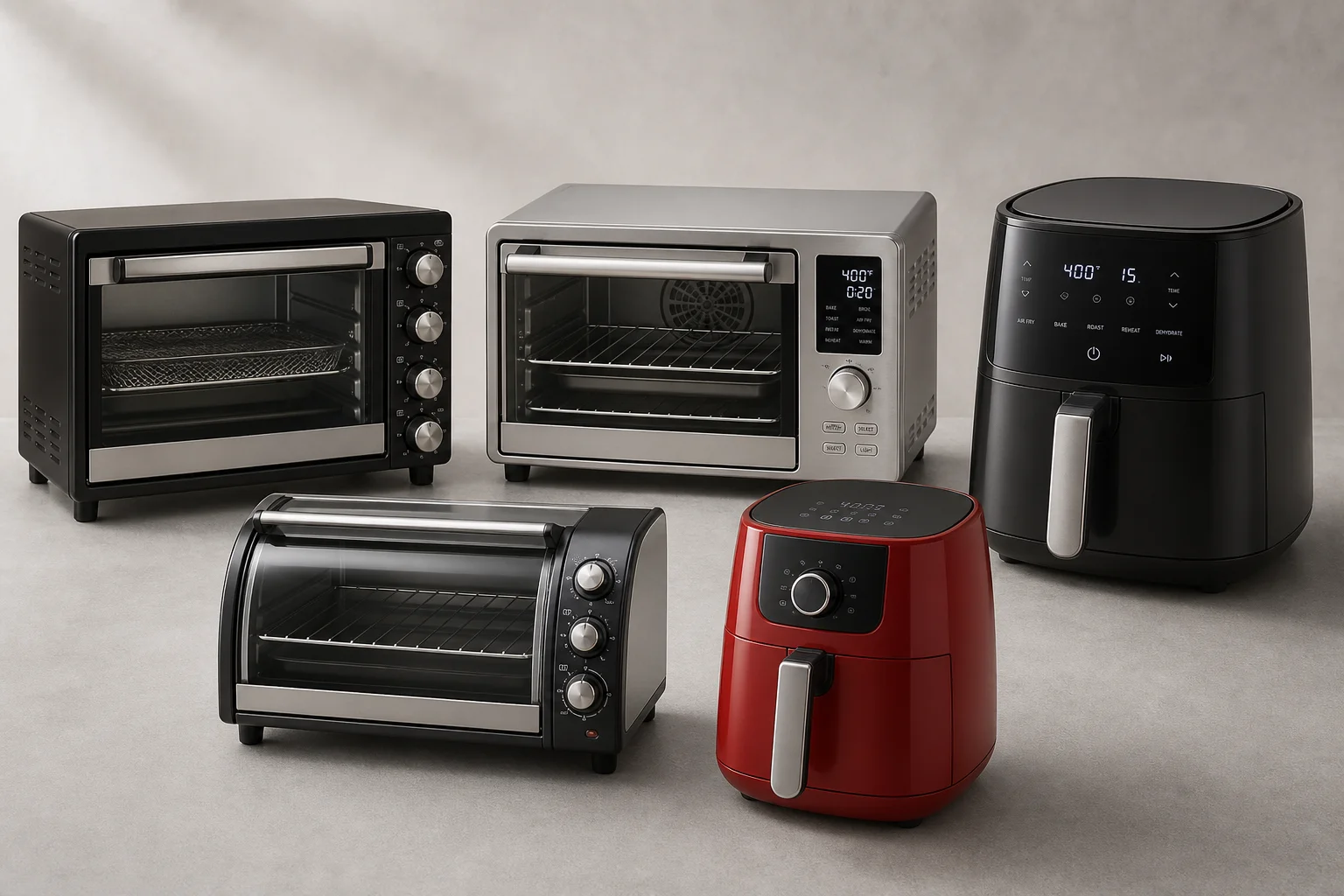
Best Air Fryer Toaster Ovens Under 100: Five Practical Options for Budget-Conscious Kitchens
Five air fryer and toaster oven combinations that deliver real cooking performance without breaking the bank, each with distinct strengths for different kitchen needs.