Kitchen Appliances
Glass Air Fryers vs Traditional: Ninja Crispi and Crispi Pro Tested
We tested the Ninja Crispi and Crispi Pro glass air fryers against six traditional models to see if they're safer, better, and worth the premium price.
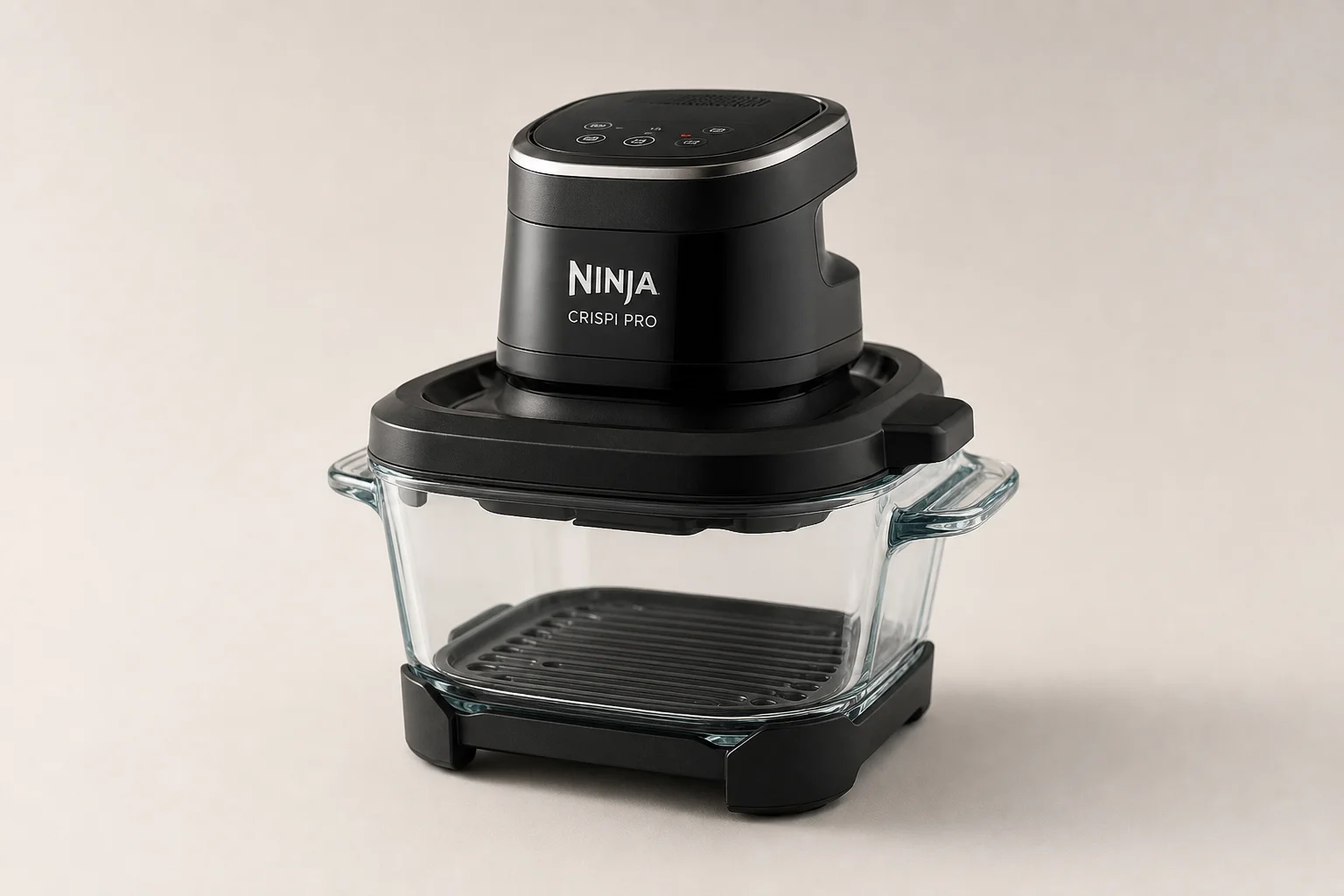
Introduction
The Ninja Crispi and Crispi Pro have become the most highly rated glass air fryers on the market, marketed as safer alternatives to traditional models. But do they actually cook better, and are they worth the premium price? We tested both glass models head-to-head against six traditional air fryers, cooking over 100 meals and running dozens of durability tests to find out.
How Glass Air Fryers Differ from Traditional Models
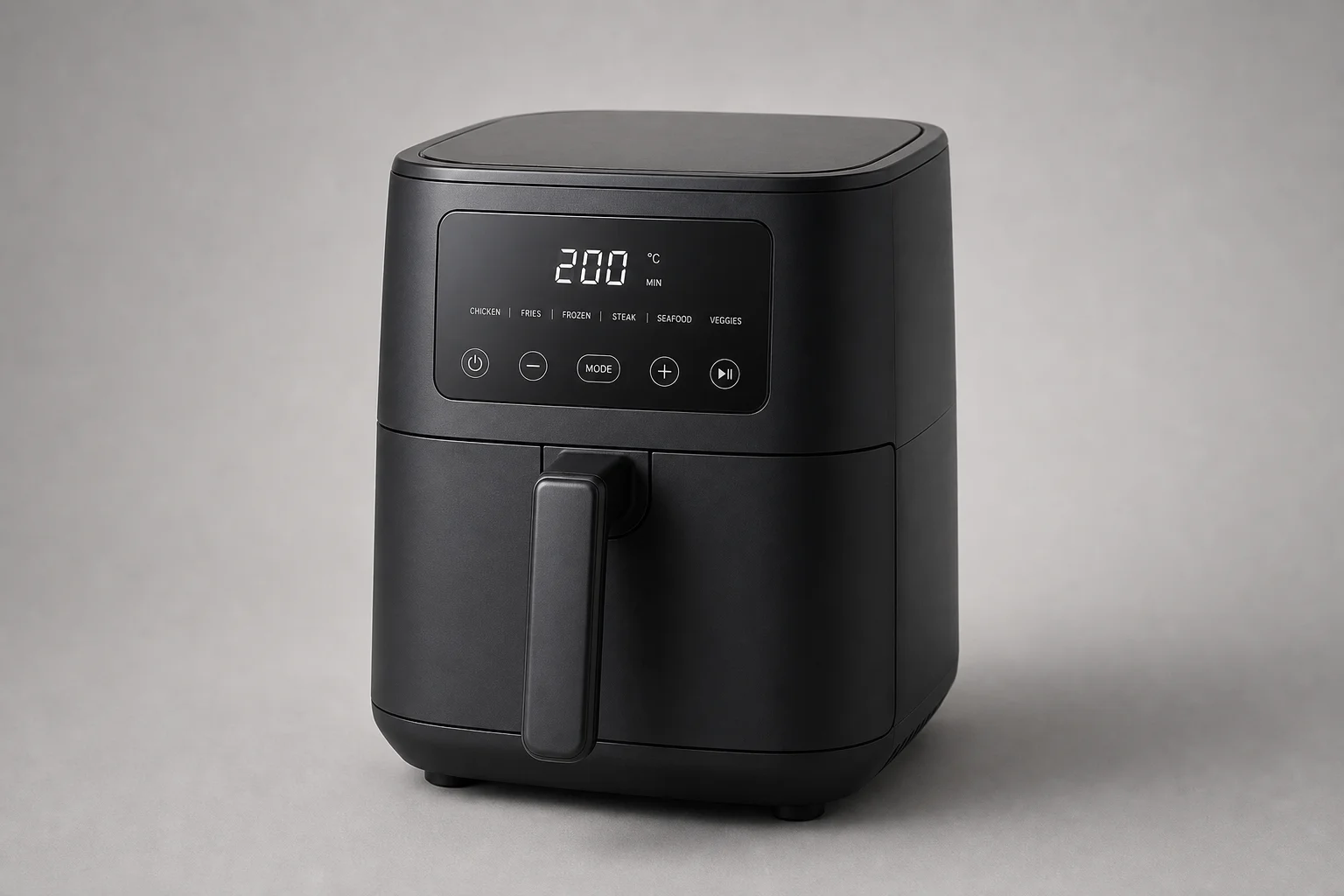
The key difference between glass and traditional air fryers lies in their cooking vessels. Most air fryers use a thin aluminum basket coated with non-stick material. The Ninja Crispi and Crispi Pro cook food in thick, heat-resistant borosilicate glass, which is why Ninja markets them as non-toxic.
However, the food doesn’t actually sit directly on the glass. It rests on an aluminum crisper plate with a nano-ceramic coating, the same teflon-free material used in many other air fryers we tested. Like any non-stick surface, ceramic can scratch and flake over time. So compared to other ceramic-coated models, the Ninja glass air fryers aren’t necessarily safer. The main difference is that there’s less coated surface area surrounding your food.
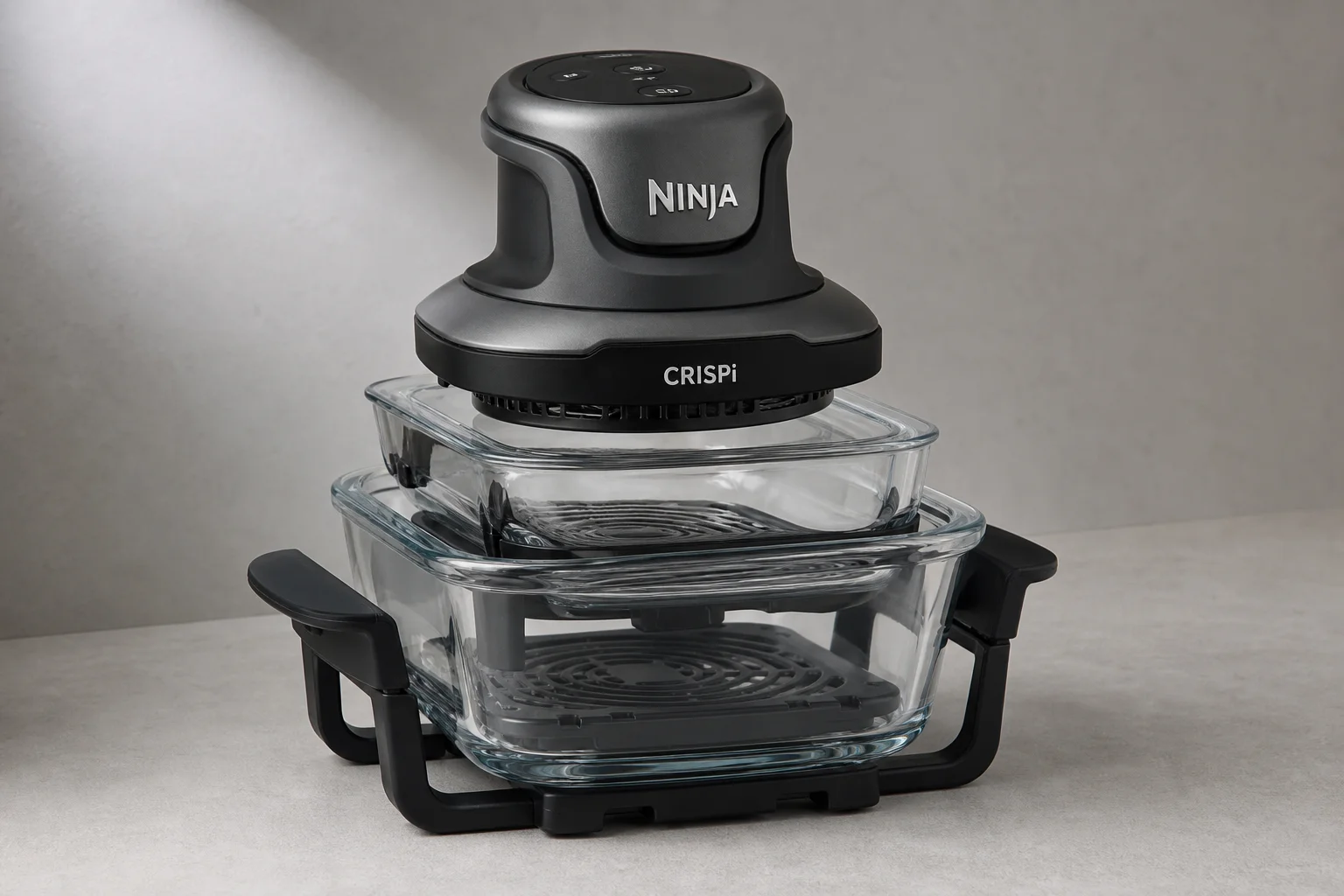
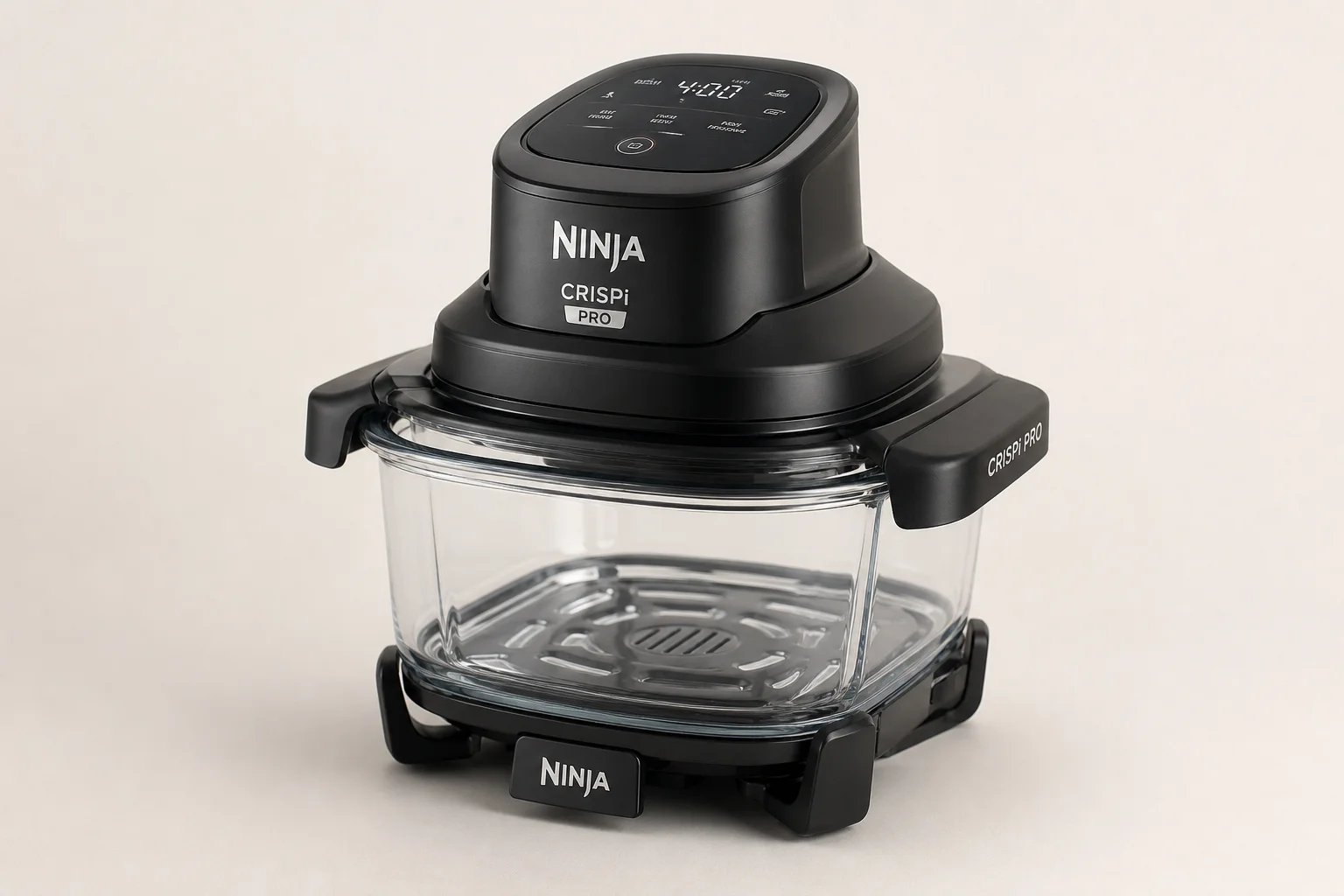
The original Crispi has a removable heating unit that lifts off the glass container. The Crispi Pro uses a fixed heating element, and you adjust the base height depending on which container size you’re using. The original Crispi offers preset modes without exact temperature control, while the Crispi Pro lets you set temperatures between 80 and 450 degrees Fahrenheit in five-degree increments, making it much easier to follow recipes.
Cooking Performance Across All Models
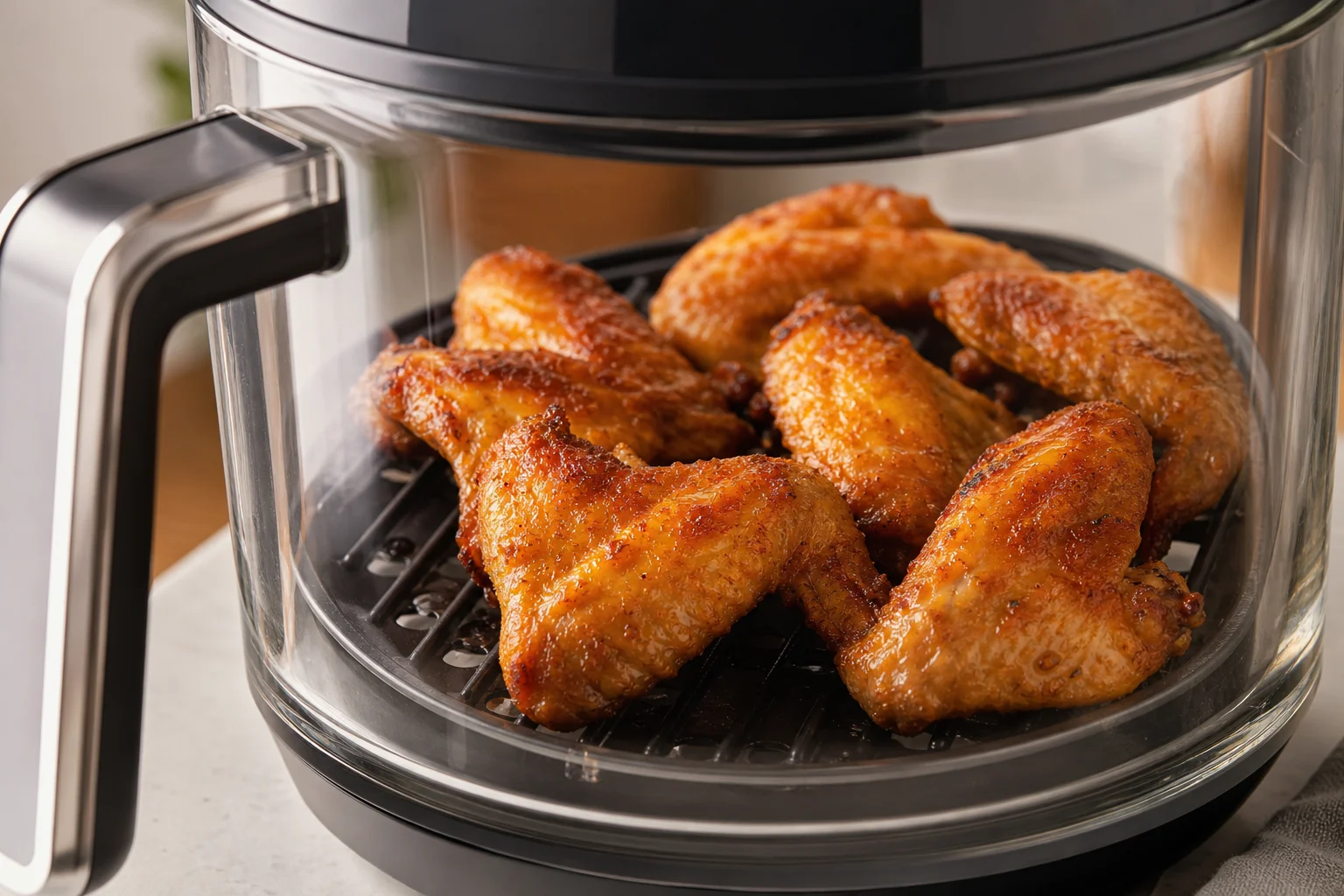
In our tests, both Crispi models cooked fries to a crispy finish in just 10 minutes, and chicken wings came out perfectly in under 25 minutes with crispy skin and juicy meat. Vegetables roasted evenly with good color development. However, cookies browned too quickly on top before the bottom cooked through in both glass models, while other traditional air fryers handled them more evenly.
The Crispi Pro required temperature adjustments midway through cooking butternut squash, as the outside browned faster than the inside softened. Overall, both Crispi models performed on par with the top traditional air fryers tested, with no meaningful performance difference between the original and Pro versions. Both cook fast and deliver consistent results, as long as you’re willing to flip food and make small adjustments.
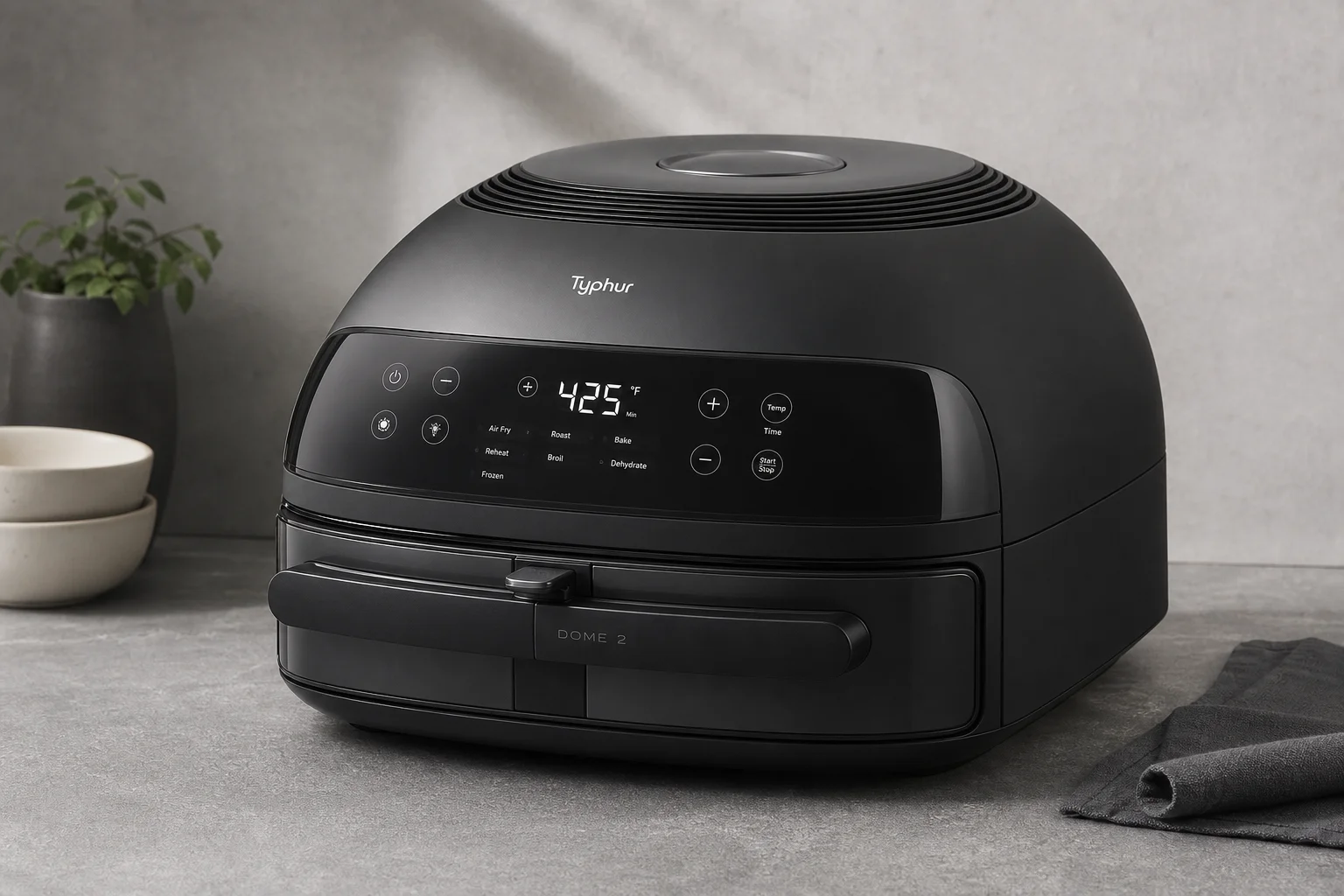
The clear standout was the Typhur Dome 2, which features heating elements on both the top and bottom. Wings finished in just 18 minutes, and cookies baked the most evenly of all models tested. Beyond formal testing, we cooked chicken thighs, chicken tenders, meatballs, and leftover potatoes in the glass models. Reheating was excellent, with food crisping back up quickly without drying out. Being able to see food through the glass makes it easy to flip or stop cooking at the right moment.
Weight and Handling Challenges
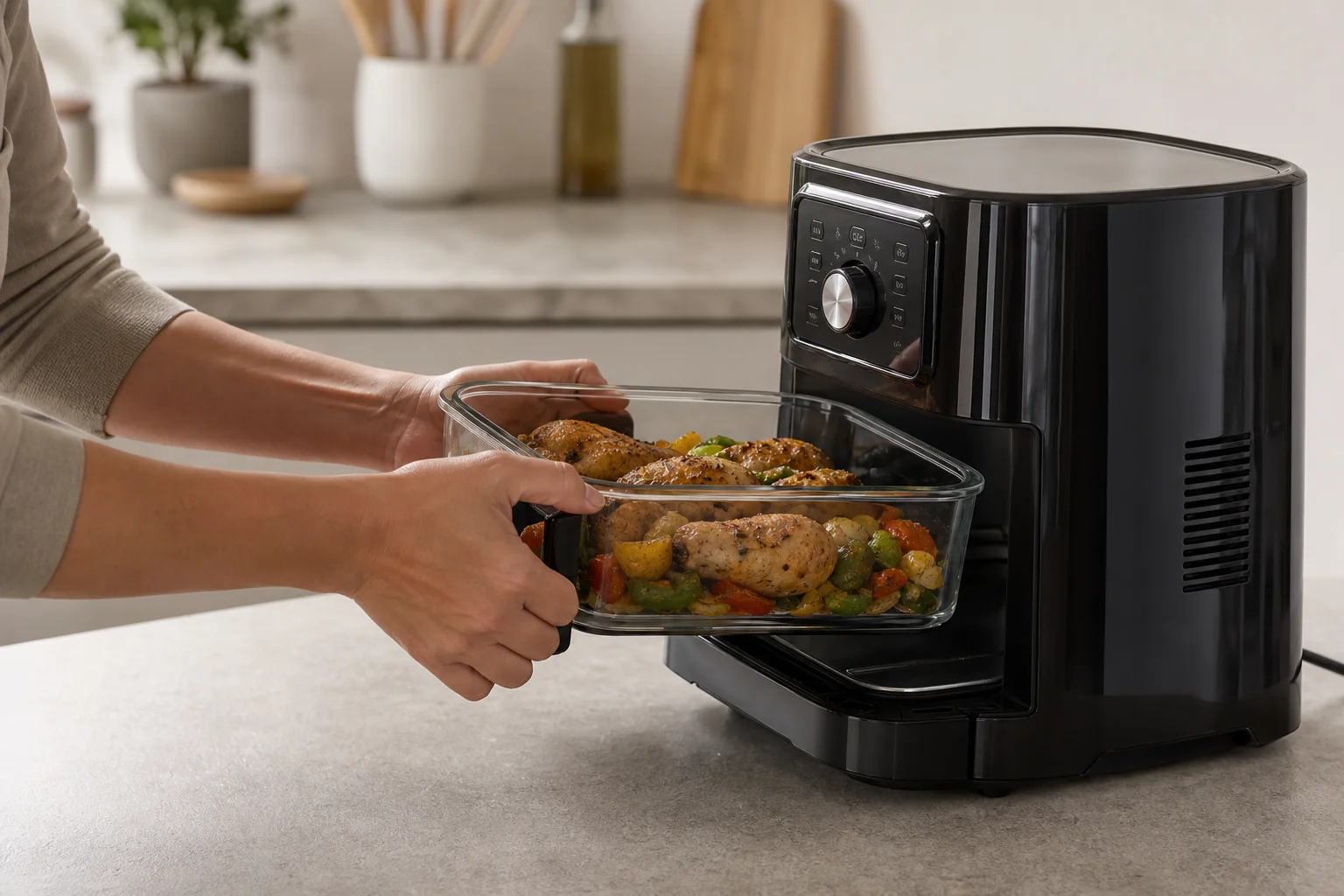
One of the biggest practical issues with the Crispi models is weight. The large glass container on the original Crispi weighs over 4 pounds, while the Crispi Pro weighs just over 5 pounds. Traditional aluminum air fryer baskets weigh around 2.5 pounds and can be grabbed by the handle and slid out with one hand.
With the Crispi Pro, you need both hands and must carefully line up the container straight to fit it correctly under the heating element. It’s clunky and far less convenient than most air fryers. The original Crispi avoids this alignment issue, but you must lift off the entire heating element and set it down somewhere to access the food, which creates its own handling challenges.
We tested whether setting the hot heating element directly on a granite countertop would cause damage. After running the Crispi on air fry mode for 10 minutes and removing the heating unit, the surface temperature only increased by about 8 degrees, so that’s not a major concern. However, placing the hot element on paper, packaging, or a cookbook could become dangerous.
Another design flaw on the original Crispi is that the air vent sits directly below the power cord, so the cord gets blasted with hot air during operation. While we never experienced cord melting, it’s not a smart design choice.
Heat Retention and Safety Concerns
The glass containers get extremely hot and stay hot for 5 to 10 minutes after cooking finishes. The handles and plastic guard closest to the glass also become hot enough that oven mitts are usually necessary. With most traditional air fryers, the handle and outer body stay cool enough that this isn’t a concern.
Ninja claims the glass is thermal shock resistant. We tested this by heating the container on Max Crisp for 10 minutes, then immediately running cold tap water on it. The glass held up. We repeated the test with ice water, and it still didn’t shatter. We even placed the container in the freezer for several hours and then immediately put it on Max Crisp mode for 10 minutes. Despite this extreme temperature swing, the glass remained intact.
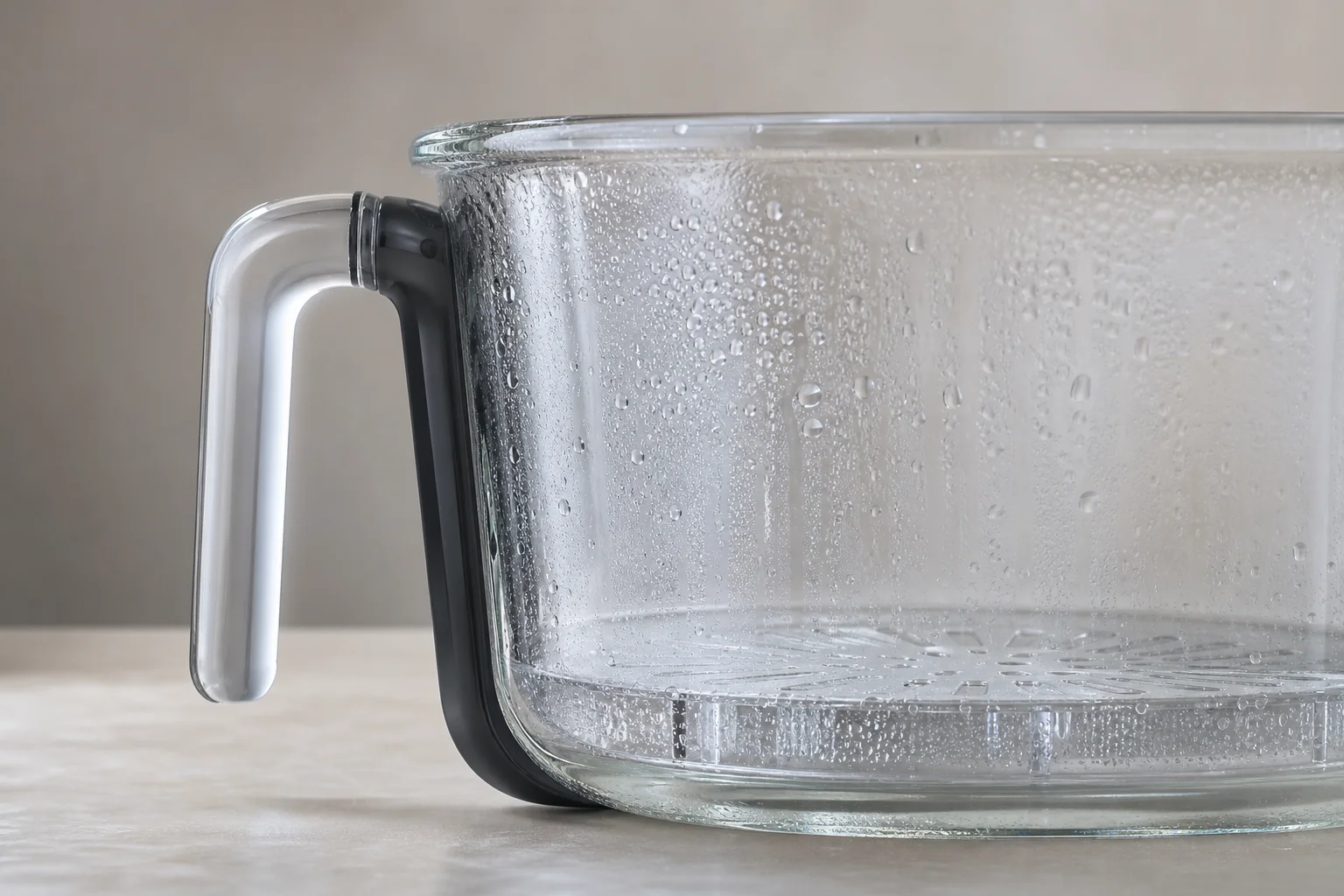
However, there are documented reports online of the glass shattering in these models. While rare, it does happen. Those containers likely had an existing chip or hairline crack that wasn’t visible, but it’s a risk worth understanding before purchase.
On the positive side, the glass containers are dishwasher safe and don’t retain odors. Being able to cook, serve, cover, and store leftovers in the same container is convenient. The main drawback is that the plastic base is permanently attached to the glass, leaving a small gap underneath that you can rinse but can’t fully scrub or dry.
Noise Levels and Cooking Surface Size
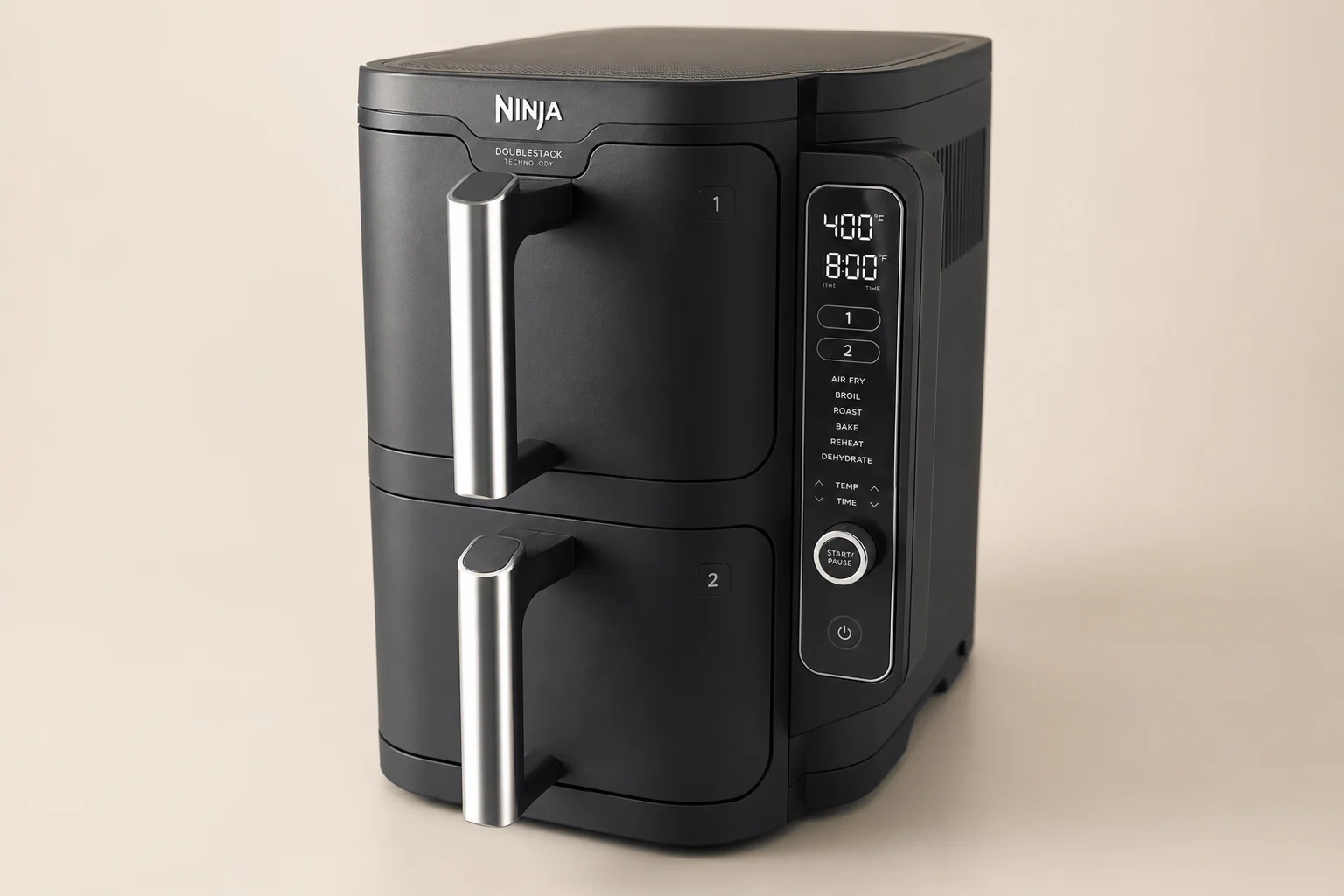
The Crispi Pro was the loudest air fryer we tested. The Ninja DoubleStack came close, though that was with two fans running simultaneously. The original Crispi was noticeably quieter than the Pro version.
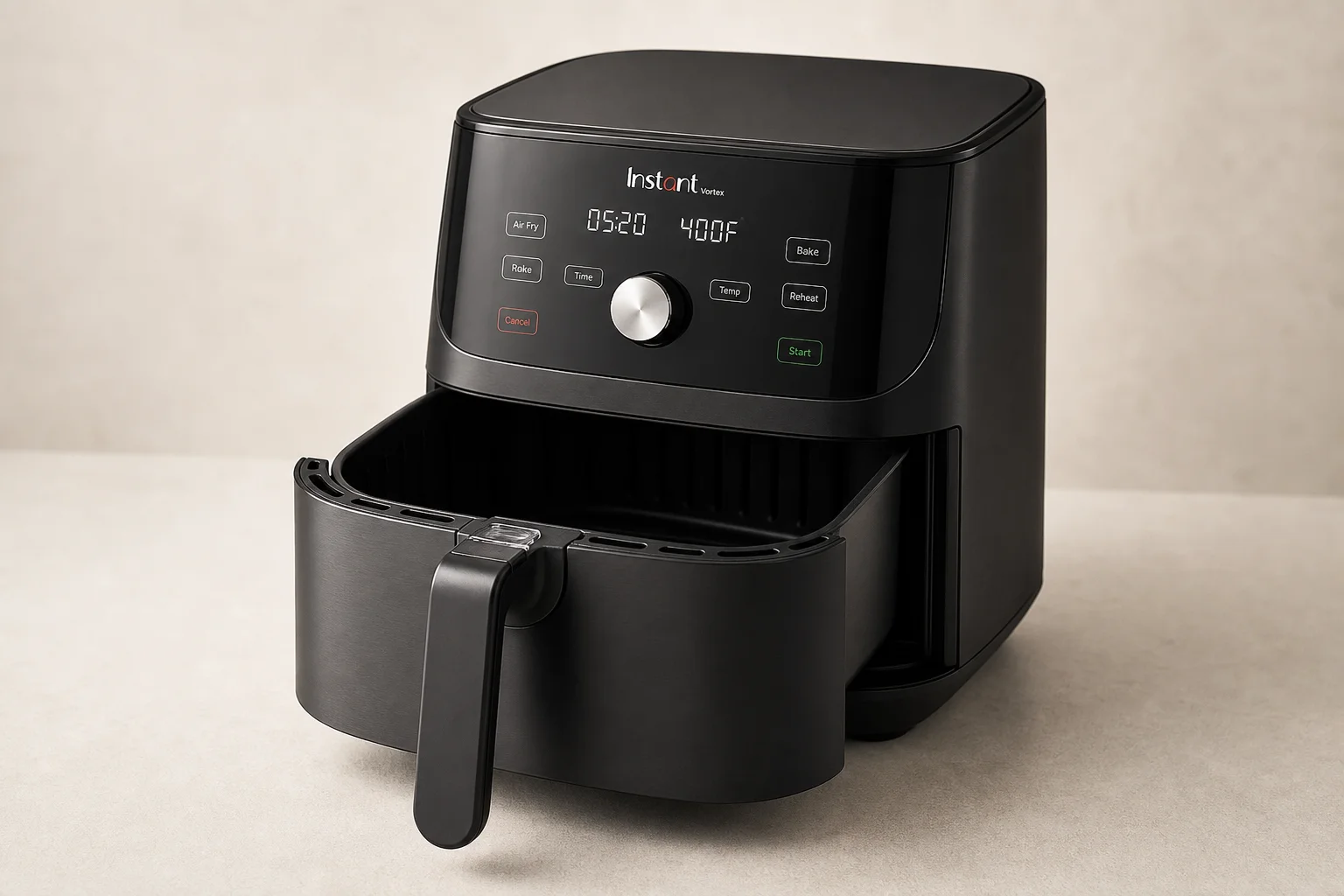
From a cooking standpoint, the biggest complaint is the cooking surface size. Even though the Crispi Pro is a six-quart air fryer, the actual surface where food sits is only 8 by 8 inches. It’s the same size crisper plate as the original Crispi’s four-quart container and even the smaller Crispi Pro two-quart container. Capacity increases vertically, not horizontally. You can fit about four overlapping slices of bread or 10 to 11 chicken wings without stacking. That’s adequate for one or two people but noticeably smaller than air fryers like the Instant Pot Vortex or Typhur Dome.
Final Recommendations and Alternatives
After extensive testing, the Ninja Crispi is not recommended for most home cooks. The removable heating element that needs to be set down somewhere is inconvenient, capacity is limited, and despite being marketed as portable, the heating unit is clunky and the glass containers are heavy.
The Crispi Pro is a better choice if you’re committed to the glass design. You get improved temperature control and a fixed heating element. If you’re cooking for one to three people, the capacity works adequately. However, the glass durability concern is significant. Both models use the same borosilicate glass, and while seeing food cook is appealing, the glass gets extremely hot and documented reports of breakage exist.
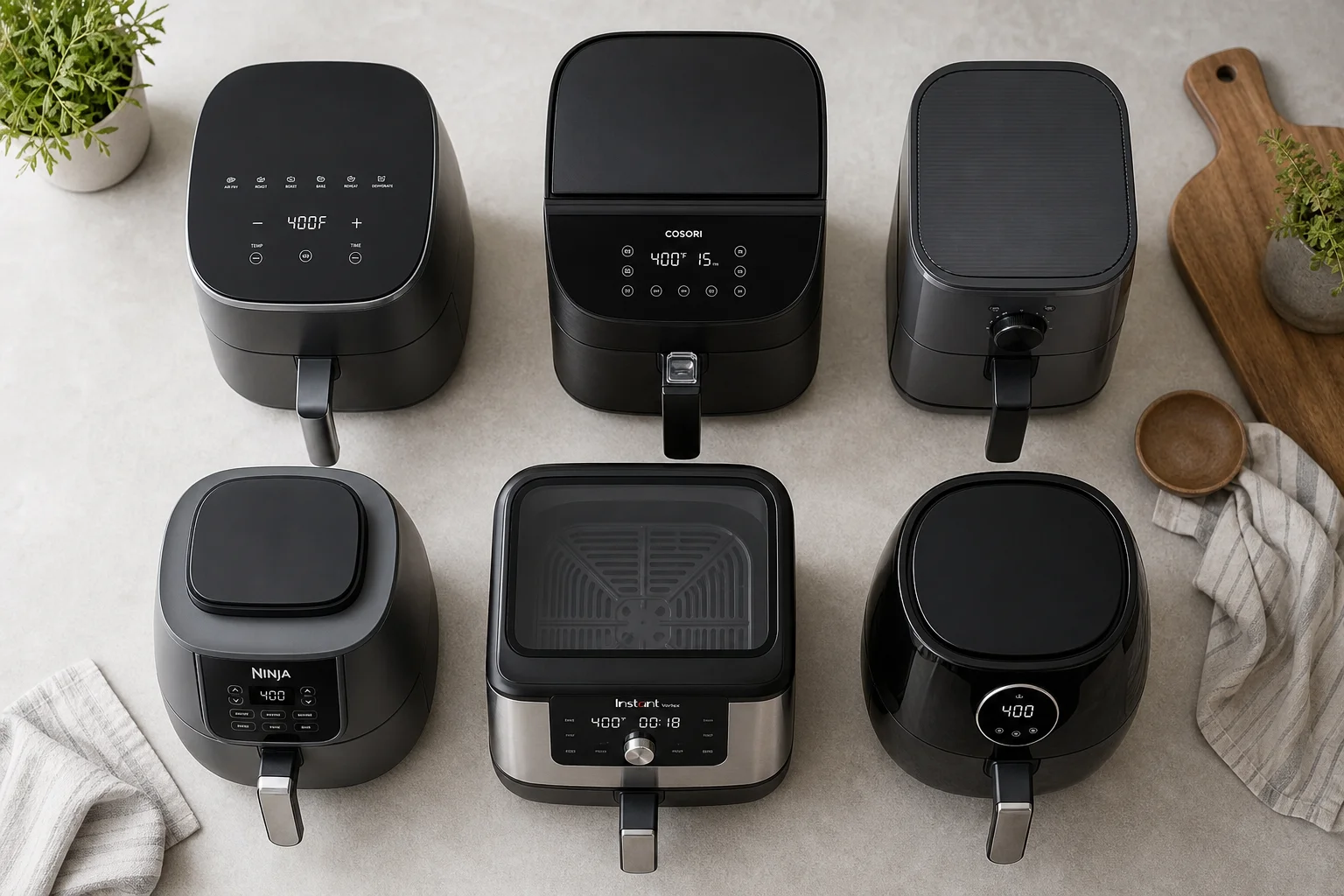
If you’re unwilling to accept the glass breakage risk, the Typhur Dome 2 is the top alternative. You get the same ceramic coating on the crisper plate, a much wider cooking surface, and heating elements on both top and bottom, so flipping food is less necessary. It’s expensive, but performance is excellent.
For budget-conscious buyers, the Instant Pot Vortex and COSORI TurboBlaze are both cheaper, high-performing options that deliver solid results without the glass durability concerns.
Conclusion
Glass air fryers offer the advantage of visibility during cooking and less coated surface area around food, but they don’t cook significantly better than quality traditional models. The Ninja Crispi Pro is the better of the two glass options if you choose to go that route, but the weight, handling challenges, and documented glass breakage reports are real concerns. For most home cooks, a traditional air fryer with a wider cooking surface and proven durability offers better value and peace of mind.
Further reading
Related Reviews
Kitchen Appliances
Arboleaf Smart Kitchen Scale Review: Connected Cooking Made Simple
A Bluetooth-enabled kitchen scale that syncs with a nutrition-tracking app, offering real-time weight monitoring and recipe guidance for home cooks.
Kitchen Appliances
Best Air Fryer Toaster Ovens: Three Top Picks for Multi-Function Cooking
Three high-performing air fryer toaster ovens tested for versatility, ease of use, and real-world cooking results. Find the right fit for your kitchen.
Kitchen Appliances
Best Air Fryer Toaster Ovens Under 100: Five Practical Options for Budget-Conscious Kitchens
Five air fryer and toaster oven combinations that deliver real cooking performance without breaking the bank, each with distinct strengths for different kitchen needs.