Kitchen Appliances
Instant Pot vs Breville Multicooker: A Detailed Cooking Comparison
A hands-on comparison of two popular multicookers across sautéing, pressure cooking, and specialty dishes to help you understand the real differences.
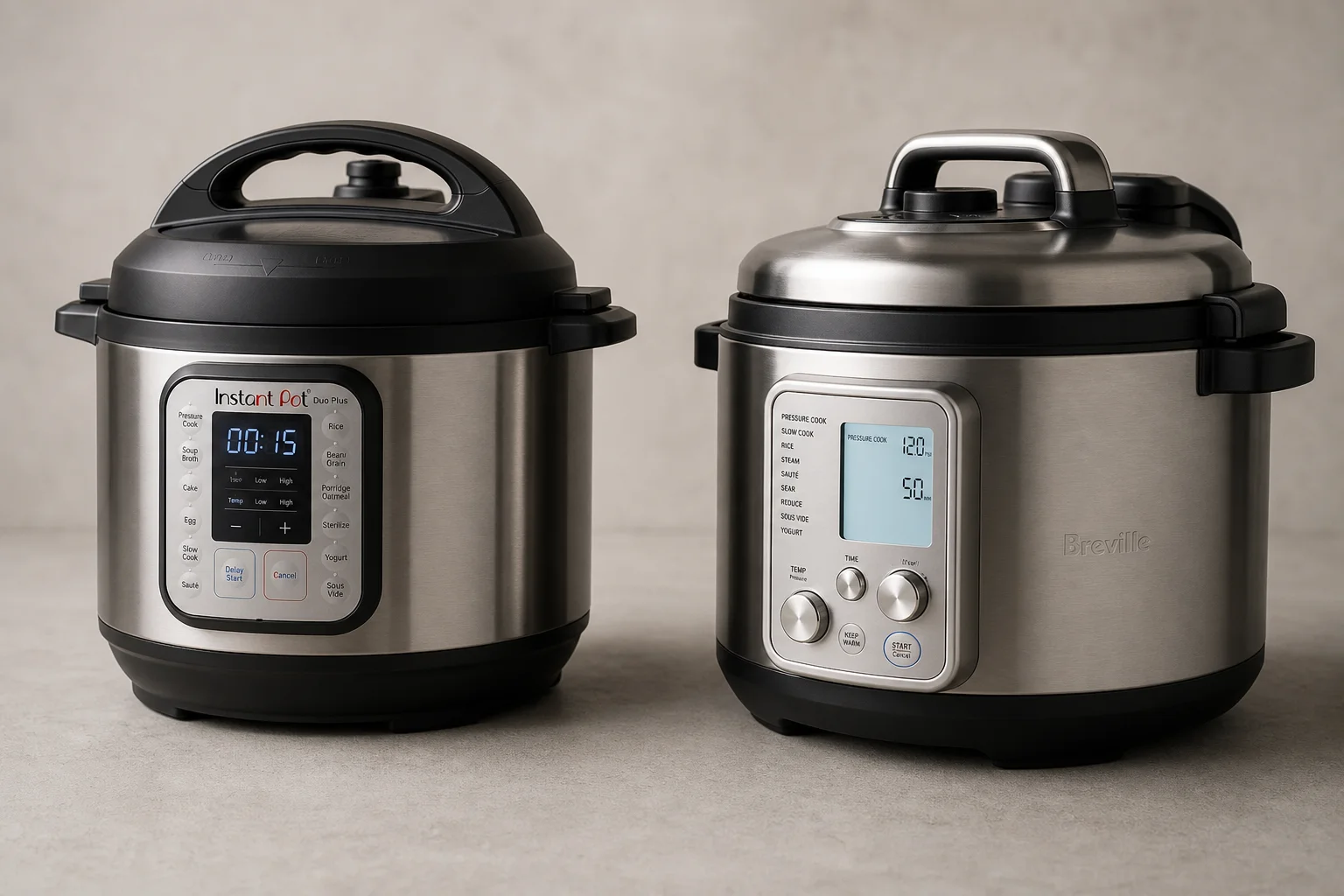
Introduction
Multicookers have become kitchen staples, with the Instant Pot and Breville models dominating the market. While both can handle pressure cooking, sautéing, and specialty dishes, their design philosophies and user interfaces differ significantly. This comparison examines how each performs across real cooking tasks and what those differences mean for everyday use.
Sautéing and Pressure Cooking: Pork Shoulder Test
The first test uses pork shoulder to evaluate sautéing performance and pressure cooking consistency. Both machines feature a sauté function to brown meat before pressure cooking, which develops flavor through the Maillard reaction.
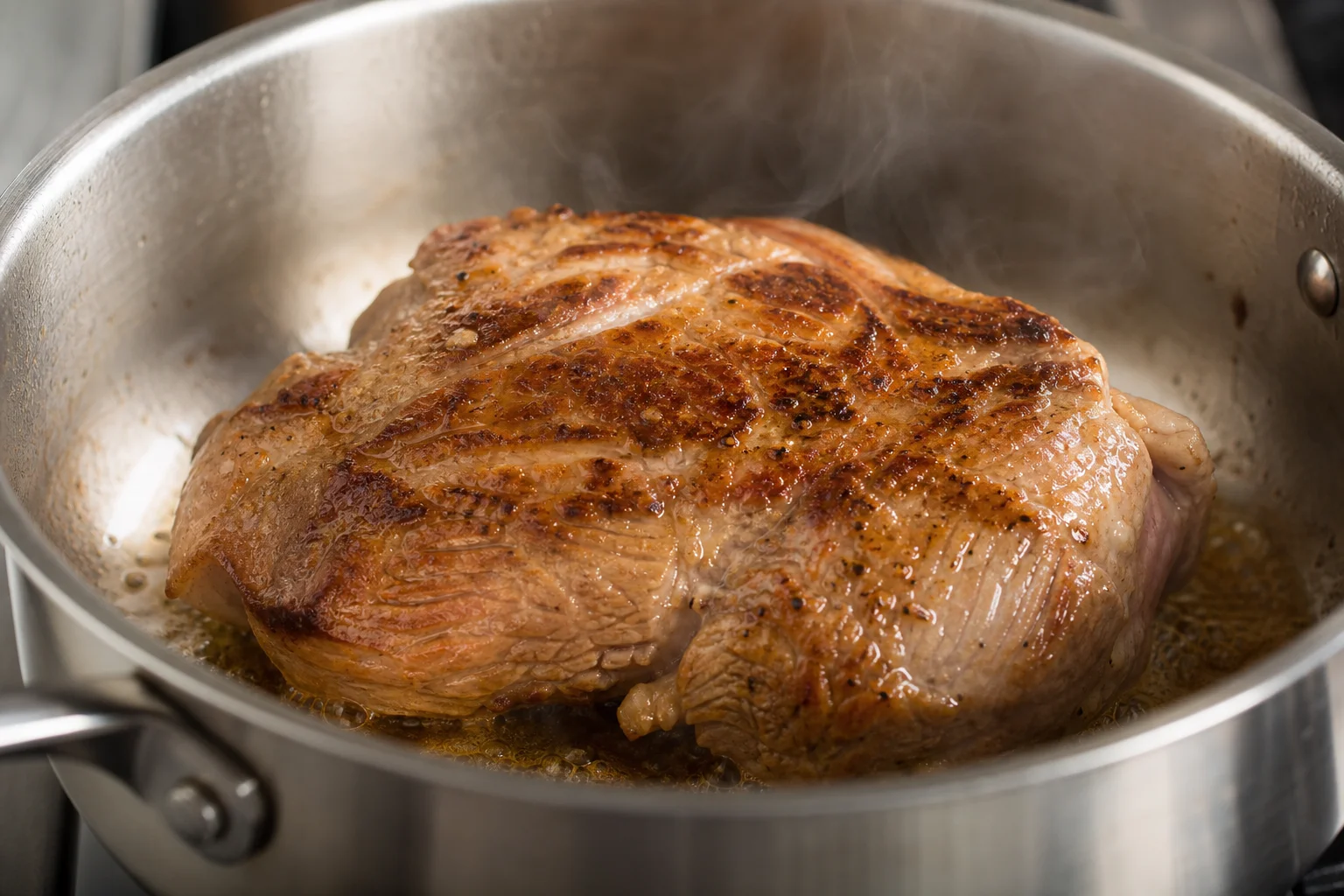
When the sauté function activates, the heat plate must reach a temperature high enough to properly brown meat. The Breville achieves browning noticeably faster than the Instant Pot, creating an even crust across all sides of the pork shoulder. Once sautéing is complete, both machines transition to pressure cooking at high pressure for 70 minutes, followed by a natural release.
Pressure cooking works by heating a sealed vessel until internal pressure builds. As the heat plate activates, air and steam inside expand, raising the internal pressure to 12 PSI (pounds per square inch)—still less pressure than a typical soda can. This elevated pressure raises water’s boiling point, shortening cooking time while retaining moisture and flavor in the food.
Both machines include a pressure release valve to regulate buildup and a pressure sensor to prevent over-pressurization. The key difference lies in how they communicate this process. The Instant Pot displays minimal information during preheating, only showing the countdown once pressure is reached. The Breville provides more transparency, showing pressure buildup in real time and releasing steam in pulses as it reaches target pressure.
After 70 minutes of cooking plus 20 minutes of natural release, both pork shoulders are tender and flavorful. The results are nearly identical in texture and taste, suggesting that at this cooking stage, both machines deliver comparable outcomes. The difference is primarily in how much information each interface provides during the process.
Bean Cooking: Preset Functions Under Scrutiny
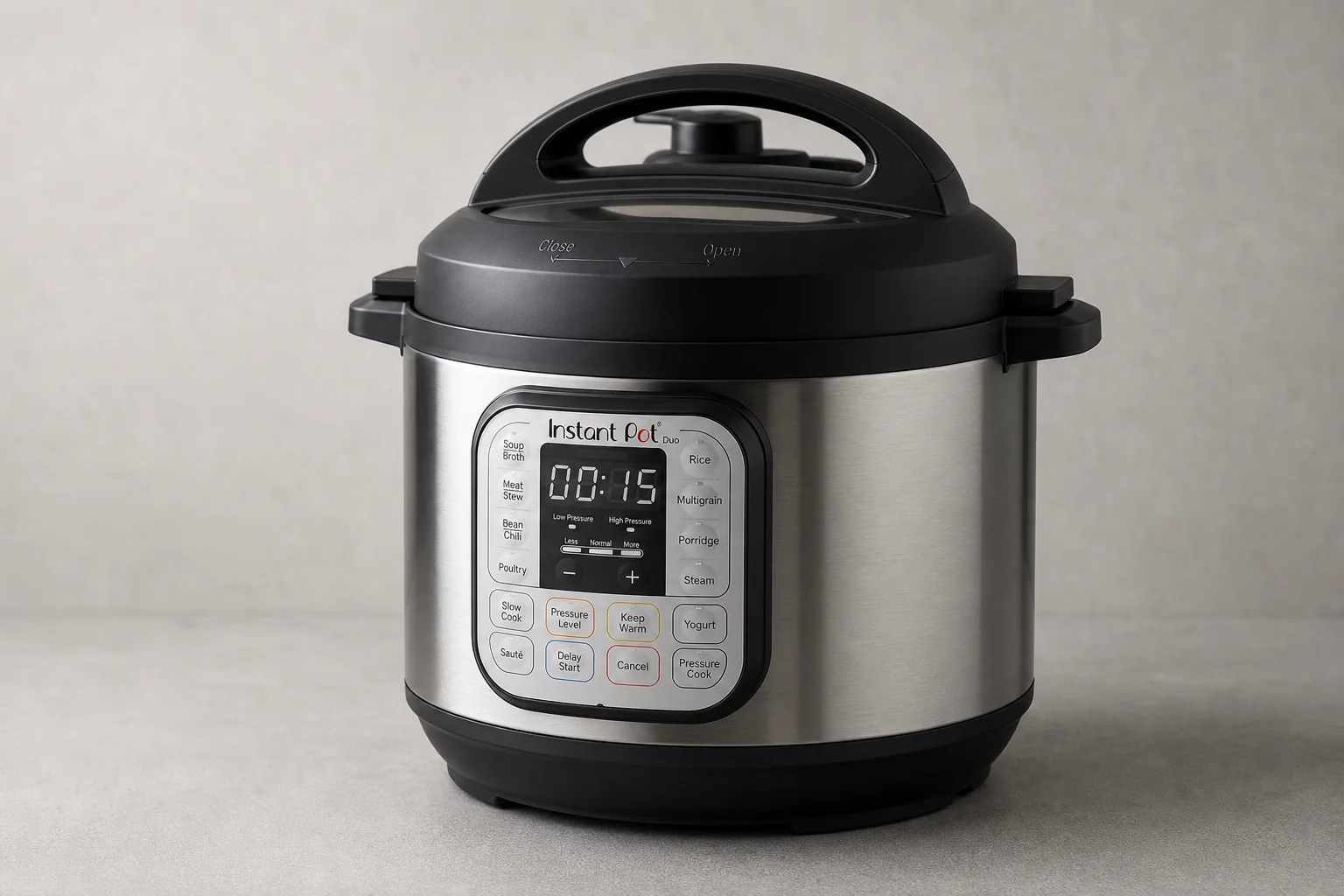
Multicookers include preset buttons for common dishes like beans, but this test reveals their limitations. Both machines have a bean preset, yet they use completely different settings: the Instant Pot defaults to 30 minutes at high pressure, while the Breville uses 20 minutes at 12 PSI with additional preheating time.
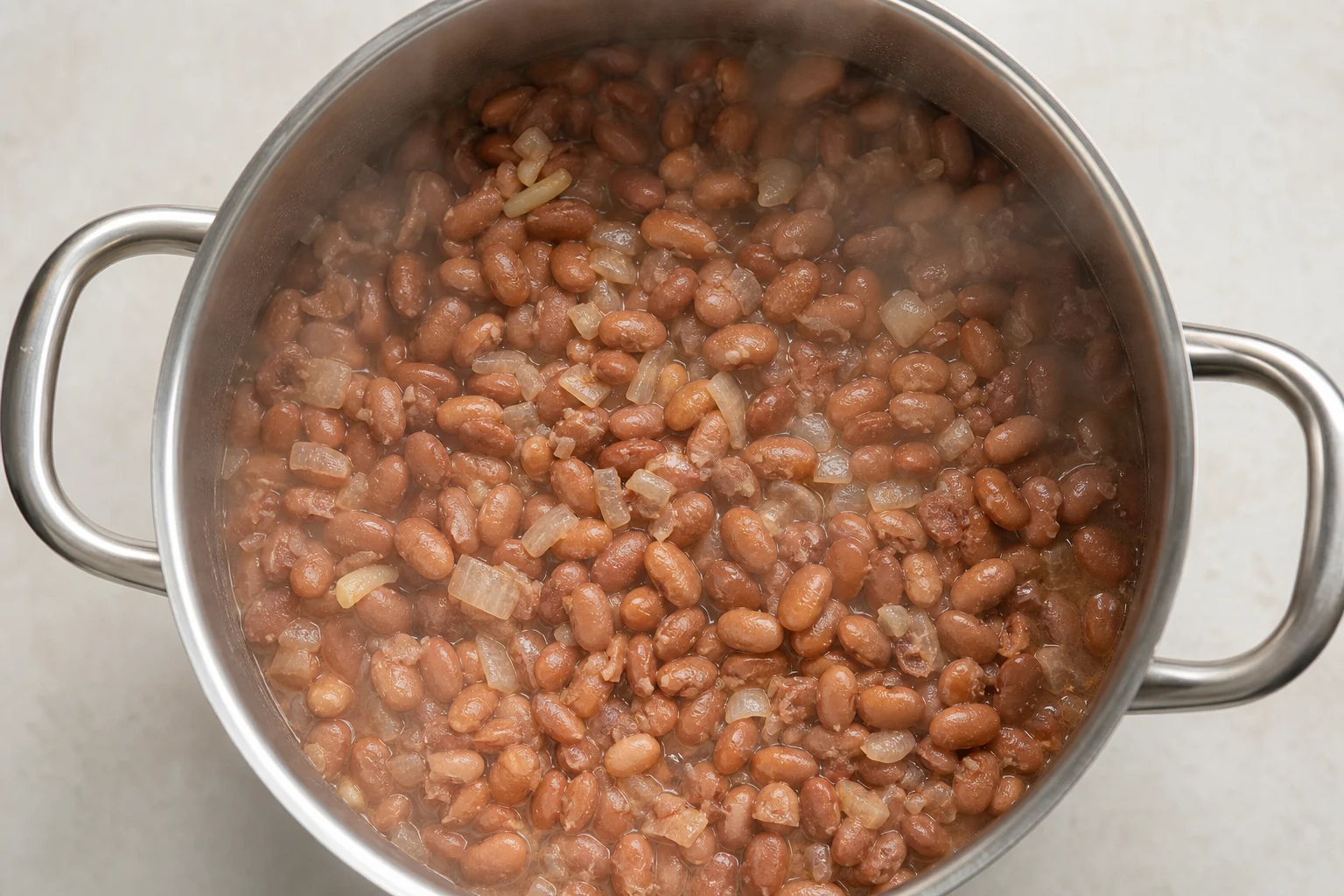
The problem with presets is that they cannot account for variables like bean quantity, water amount, whether beans have been soaked, or bean age. After running both presets, the beans emerge undercooked and hard on both machines. This suggests that preset buttons are a starting point rather than a one-size-fits-all solution.
A notable technical difference emerges during this test: the Breville operates at 1,100 watts while the Instant Pot uses 1,000 watts. Despite lower wattage, the Instant Pot reaches pressure faster than the Breville. However, both machines eventually reach similar pressure levels and cooking times.
After adding 30 minutes of manual high-pressure cooking to both, the beans cook properly. The Instant Pot offers only high or low pressure settings, while the Breville provides a graduated pressure scale from 1 to 12 PSI, giving more granular control over the most critical variable in pressure cooking.
Rice Cooking: Speed and Convenience
Multicookers claim to replace rice cookers, but this test questions that assertion. Using a standard 2:1 water-to-rice ratio, both machines’ rice presets produce different results: the Instant Pot defaults to low pressure for 12 minutes, while the Breville uses 7.5 PSI for 5 minutes.
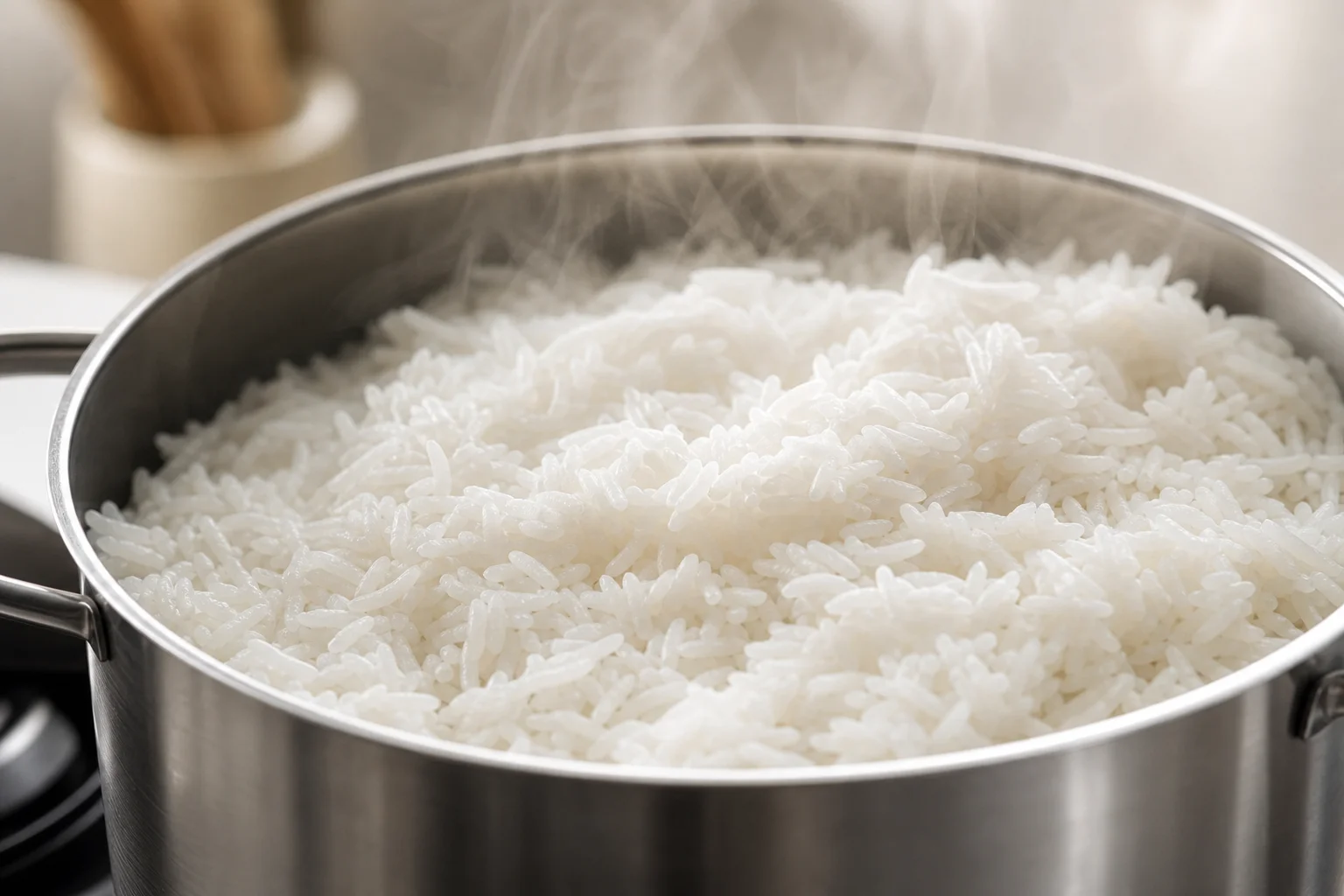
A critical usability difference appears during pressure release. The Instant Pot requires manually rotating a steam valve, which is tricky because hot steam rushes out and the valve switch is less than an inch long, placing fingers directly in the path of escaping steam. The Breville, by contrast, has a dedicated steam release button that vents pressure without requiring hand proximity to the valve.
When preset times are displayed, they reflect only the pressure cooking duration, not the full cooking cycle. The Instant Pot’s 12-minute rice preset and the Breville’s 5-minute preset both take approximately 20 minutes total when accounting for preheating, pressure buildup, cooking, and release. This is comparable to stovetop cooking, meaning multicookers do not save time for rice.
The Breville’s nonstick pot coating makes cleanup easier, while the Instant Pot’s stainless steel interior causes rice to stick. The Breville’s rice preset also produces slightly better results, though the Instant Pot can achieve similar outcomes with minor time adjustments.
Specialty Cooking: Cheesecake Results
Cheesecake requires precise, low, even temperature—a test of whether multicookers can handle delicate cooking. Both machines use spring-form pans (sold separately for the Instant Pot) with a water bath and foil sling for safe removal.
The recipe calls for 25 minutes at high pressure followed by a 10-minute natural release. The Instant Pot reaches pressure and counts down consistently. The Breville takes longer to reach pressure but eventually completes the cooking cycle. After cooling and refrigeration, the results differ noticeably.
The Instant Pot cheesecake is lighter, fluffier, and creamier with a smoother texture. The Breville cheesecake is denser, likely because the longer preheating and pressure-buildup phase added approximately 5 extra minutes of total cooking time. This suggests that for delicate dishes, the Instant Pot’s faster pressure buildup provides a slight advantage, though the Breville could achieve similar results by reducing the preset time by 5 minutes.
Build Quality and Design Considerations
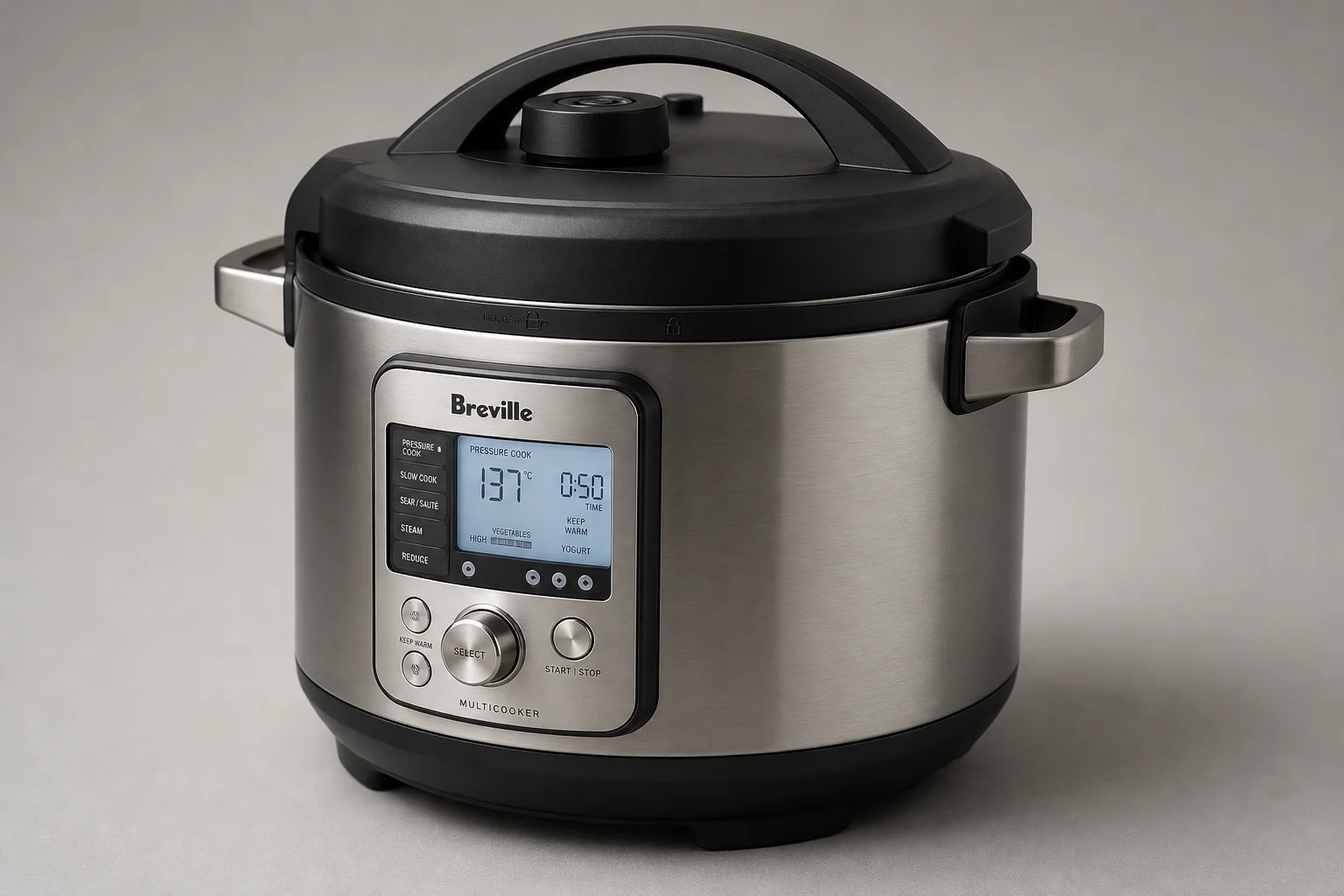
Beyond cooking performance, these machines differ in materials and thoughtfulness of design. The Breville uses higher-quality finished materials with seamless transitions between stainless steel and plastic. Its metal handles are more ergonomic and include plastic inserts to keep hands away from the hot pot. The condensation collector uses thicker plastic, and the power cord design makes it easier to pull out and store.
The Instant Pot feels less refined, appearing more like an engineer’s design than an industrial designer’s work. However, the Instant Pot’s removable lid makes it easier to access the water-collection groove around the housing—a detail that matters for cleaning.
Accessories reveal another design gap. The Instant Pot sells spring-form pans separately but provides no easy removal mechanism, requiring a foil sling that poses burn risk. The Breville includes both a steam basket and trivet, while the Instant Pot includes only a trivet. These small differences accumulate into a noticeably different user experience.
Conclusion
Both the Instant Pot and Breville multicookers deliver on the promise of faster cooking and consistent results. For pork shoulder, beans, and cheesecake, both machines produce edible, flavorful outcomes that rival traditional cooking methods. The choice between them depends on what matters most to you: budget and simplicity, or refined design and granular control. The Instant Pot is the more affordable option, while the Breville justifies its higher price through better materials, clearer interfaces, and more thoughtful accessories. Neither is objectively superior—each excels at different priorities.
Further reading
Related Reviews
Kitchen Appliances
Arboleaf Smart Kitchen Scale Review: Connected Cooking Made Simple
A Bluetooth-enabled kitchen scale that syncs with a nutrition-tracking app, offering real-time weight monitoring and recipe guidance for home cooks.
Kitchen Appliances
Best Air Fryer Toaster Ovens: Three Top Picks for Multi-Function Cooking
Three high-performing air fryer toaster ovens tested for versatility, ease of use, and real-world cooking results. Find the right fit for your kitchen.
Kitchen Appliances
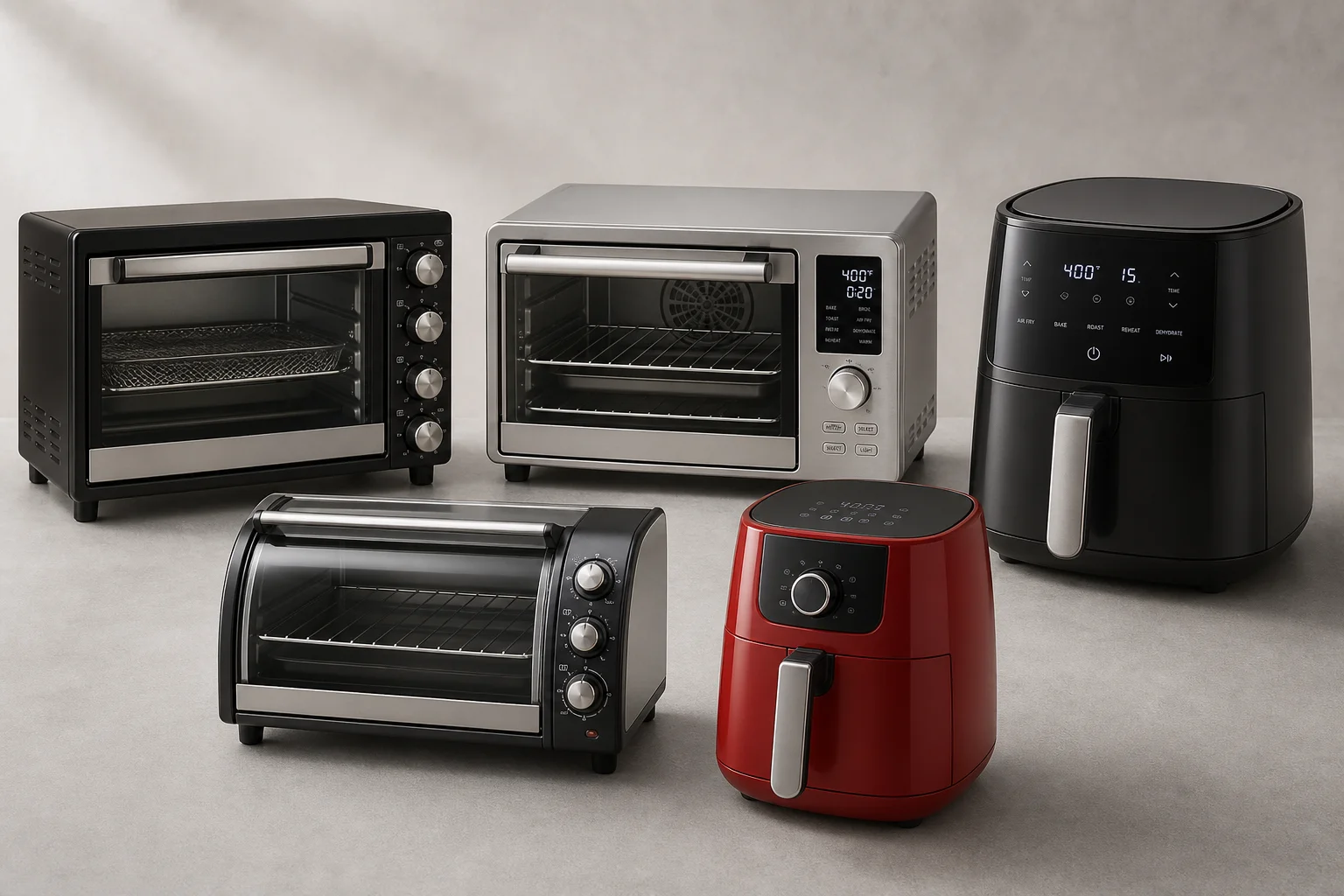
Best Air Fryer Toaster Ovens Under 100: Five Practical Options for Budget-Conscious Kitchens
Five air fryer and toaster oven combinations that deliver real cooking performance without breaking the bank, each with distinct strengths for different kitchen needs.