Trail Running Shoes
Mammut Aenergy Trail Shoes 2026: Three Models for Alpine and Distance Running
Mammut enters trail running with three distinct models. The Endurance Ultra and Speed offer solid performance, while the All Mountain model needs refinement.
Introduction
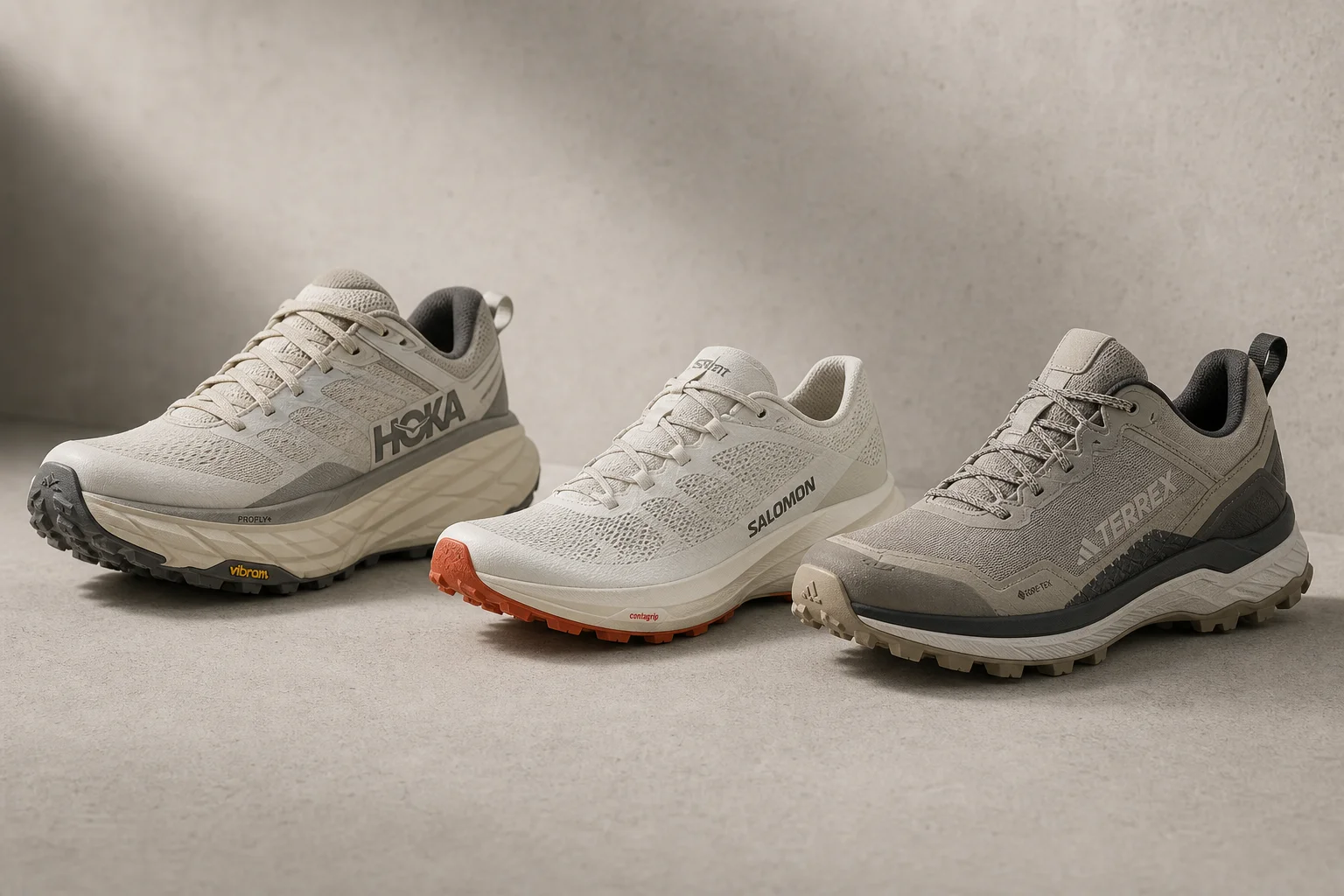
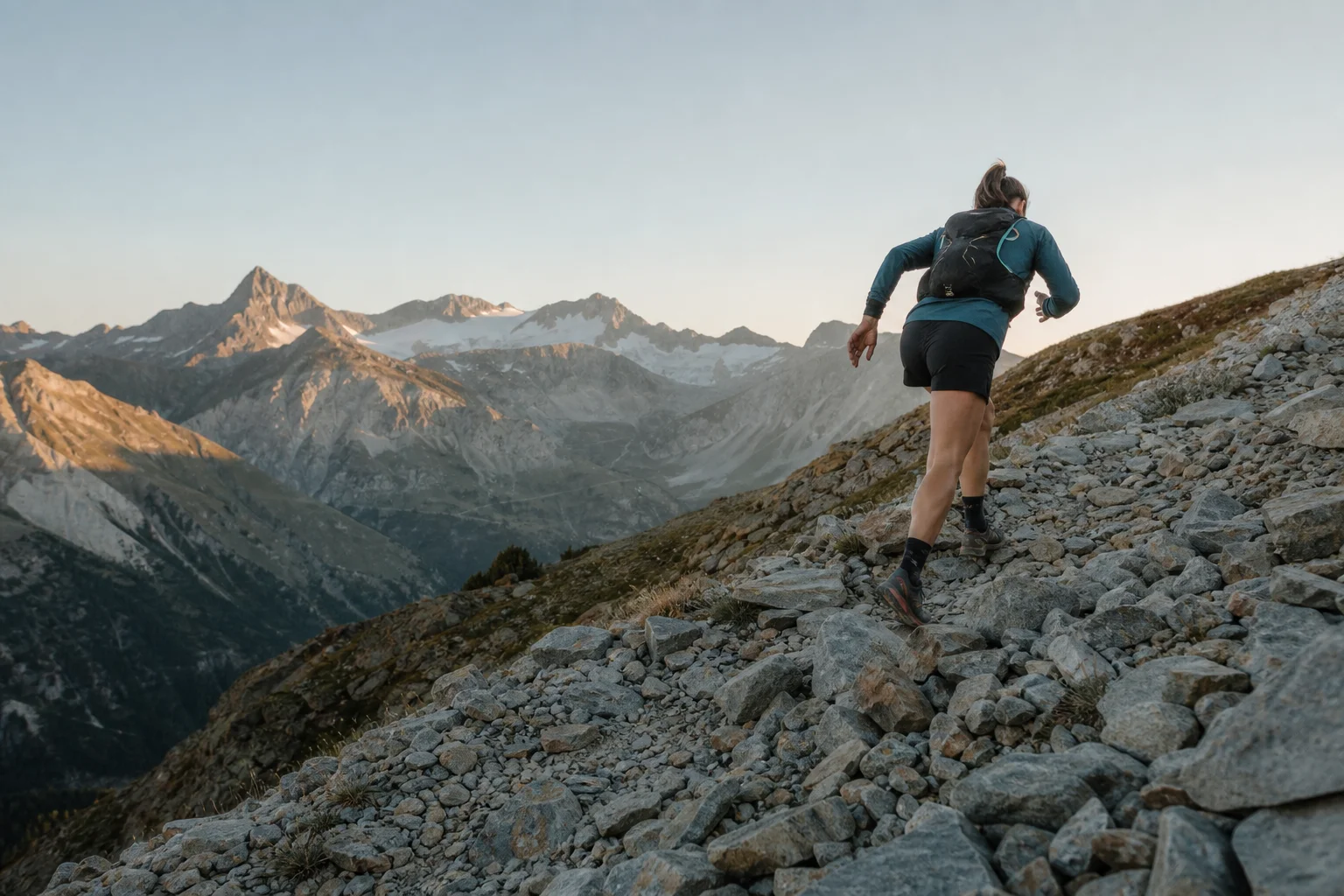
Mammut, the Swiss mountaineering brand, has entered the trail running market in 2026 with three distinct models of the Aenergy Trail shoe. Each targets a different running style and terrain preference, from long-distance endurance to lightweight speed and all-mountain versatility. This review examines the Endurance Ultra, All Mountain, and Speed models through extended field testing on varied alpine and rocky terrain.
Endurance Ultra: Cushioning and Protection
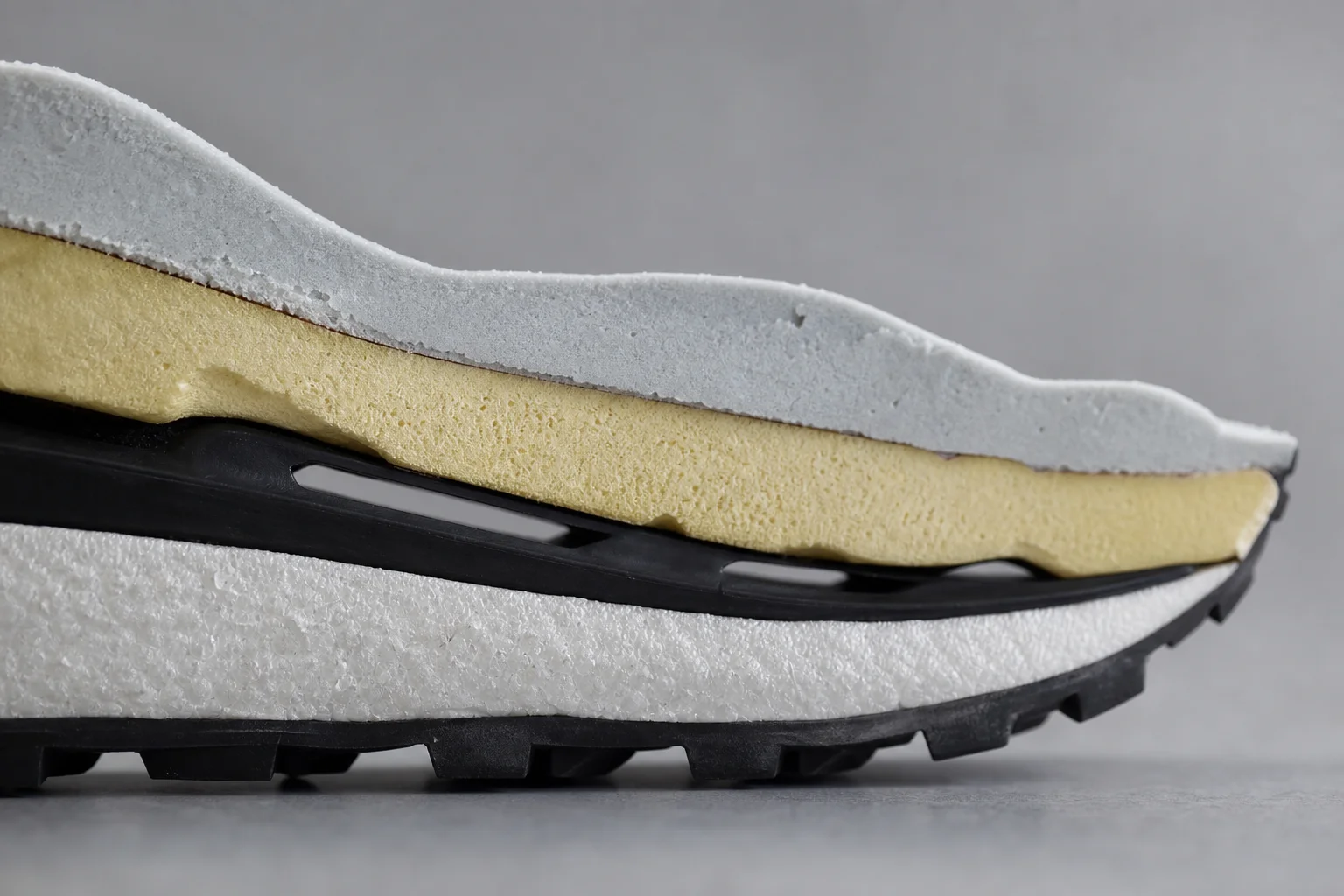
The Endurance Ultra is the heaviest and most protective of the three models, weighing 12 ounces in US 10.5. It features a substantial 38/30 millimeter stack with an 8 millimeter drop. The midsole combines two foam types: AE Core Plus, a nitrogen-infused supercritical EVA in the heel, and AE Core Ultra, an ETPU foam in the forefoot for added softness and balance.
A Flextron Pro P-Bach polymer plate runs through the midsole for additional stiffness and split support. Out of the box, the shoe feels notably stiff compared to the Speed model, with limited flex in the midfoot and rear. However, this stiffness decreases with break-in runs. The ETPU forefoot foam provides a deep level of cushioning without excessive squish, absorbing impacts effectively on rocky terrain without feeling overly bouncy.
The shoe uses a wider last shared with the All Mountain model, offering a full thumb’s width of space in the toe box. The upper features a well-padded tongue with thoughtful shaping to prevent irritation. A traditional inner collar padding (rather than a band) eliminates the ankle rubbing issues present in the Speed model. The shoe includes a full interior liner throughout the toe box, which adds comfort but may retain slightly more water than open mesh designs.
Protection underfoot is excellent. Sharp rocks and gravel produce minimal sensation through to the foot, making this model ideal for extended runs in alpine conditions. The 8 millimeter drop feels gradual and smooth, with no high points or ridges underfoot. Laces are slightly slippery, requiring a double knot to maintain a secure fit, but once locked down, the shoe climbs well and holds the foot securely.
All Mountain Model: Design Inconsistencies
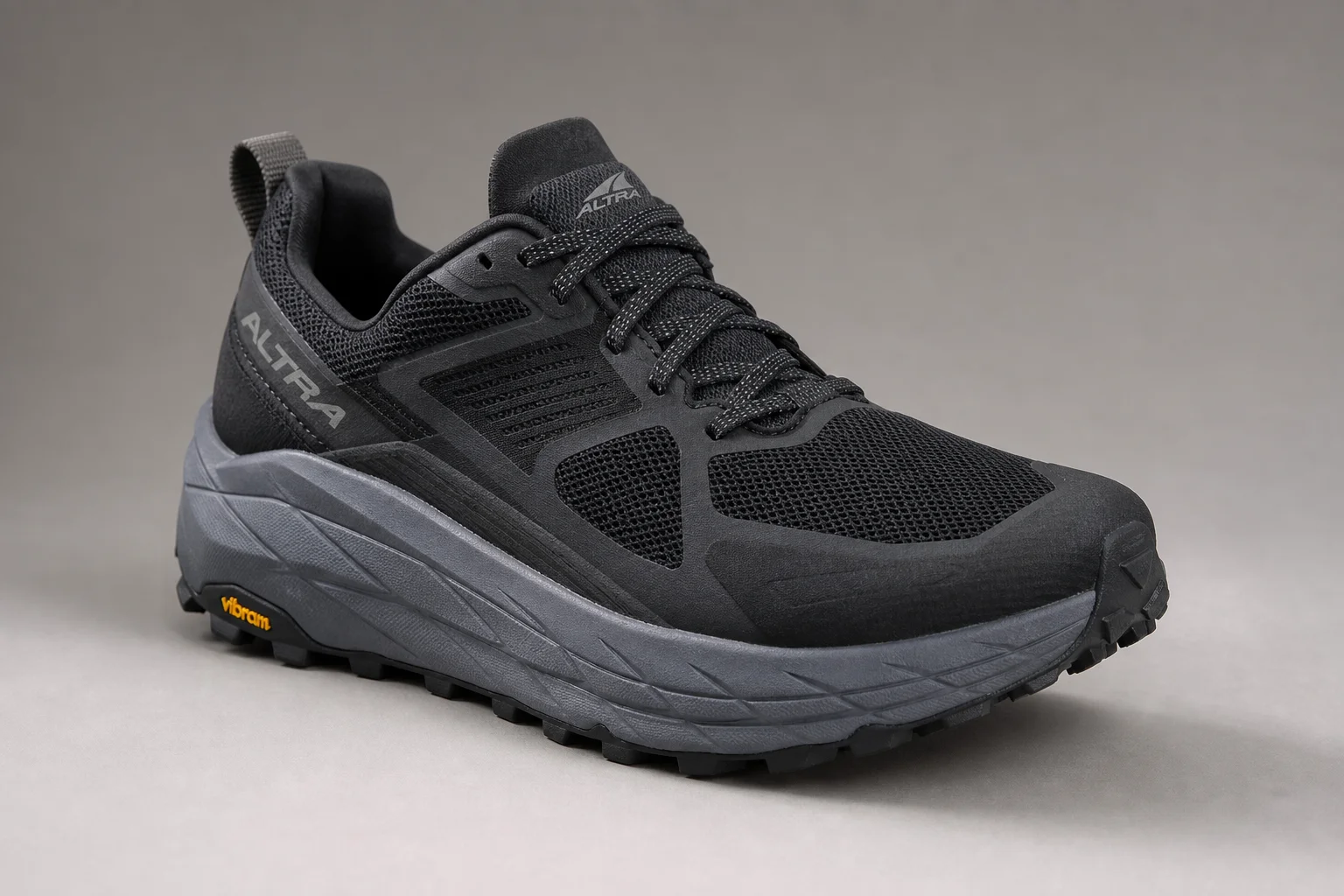
The All Mountain model weighs 10.4 ounces and is specified at 34/26 millimeter stack with an 8 millimeter drop, though actual measurements show slightly lower values. Unlike the Endurance Ultra and Speed models, it lacks a Flextron plate, relying instead on a single nitrogen-infused EVA foam throughout the midsole. This design choice prioritizes flexibility but compromises protection.
The most notable issue is a crosswise ridge or prominence felt underfoot in the midfoot transition zone. This sensation appears on every run and can be uncomfortable, particularly during descents or on technical terrain. The cause is unclear, as there is no plate in the shoe and the foam is uniform, yet a distinct transition exists somewhere between the heel and forefoot that creates an uneven feel across the foot.
The upper design differs from the other models with an open mesh construction and no full interior liner, allowing more airflow but potentially holding less water. The tongue uses a soft clamshell design with bolsters along the sides, but the material is too soft and slippery, allowing the tongue to shift during runs. Combined with slippery laces, this results in a looser overall fit compared to the Endurance Ultra, even with aggressive lacing.
The shoe uses Mammut’s in-house rubber outsole with 4 millimeter lugs, compared to Vibram Megagrip on the other models. Traction is adequate, but the lack of protection underfoot is the primary concern. At only 22 millimeters under the forefoot, rocks and sharp terrain are felt more acutely than in either the Endurance Ultra or Speed model. The wider last is shared with the Endurance Ultra, but the overall execution feels less refined.
Speed Model: Lightweight and Responsive
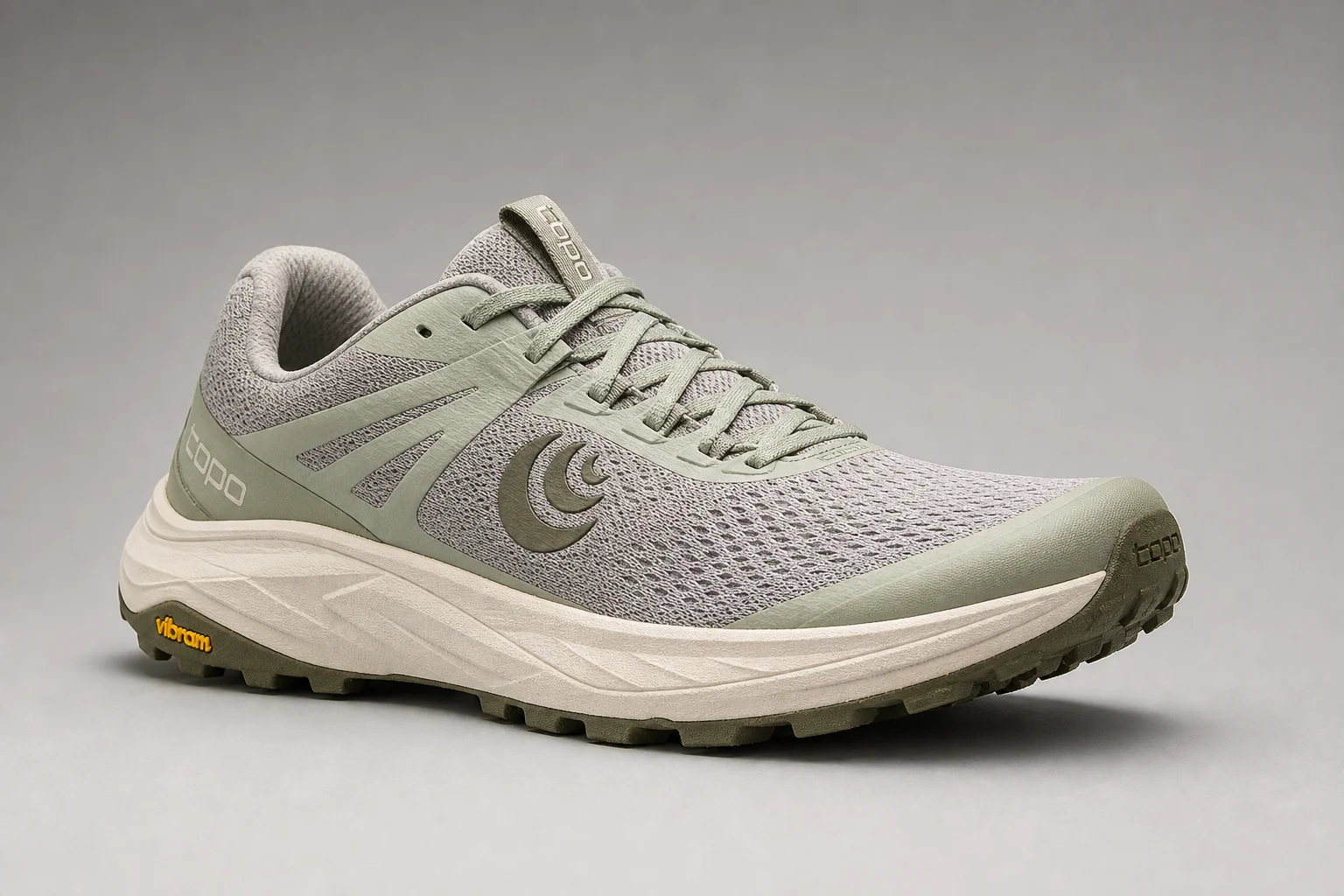
The Speed model is the lightest at just above 9 ounces, with a 6 millimeter drop and a narrower last than the other two models. It features a 26/20 millimeter stack (measured slightly lower than the 28/22 specification), a Flextron plate, and a combination of AE Core Plus and AE Core Ultra foams similar to the Endurance Ultra but in reduced quantities.
The shoe feels responsive and agile out of the box, with good flex despite the polymer plate. The plate is narrower than in the Endurance Ultra but still provides meaningful protection and a level of insulation from rocks underfoot. The forefoot is noticeably pointier than the All Mountain model, which may feel snug for runners with wider feet, though the overall forefoot width is acceptable for most.
A key issue is the foot position within the shoe. The foot sits deeper in the Speed model than in the other two, creating a sidewall effect not typical of lightweight speed shoes. This deeper positioning causes the ankle collar band to sit higher on the ankle bone, creating irritation during longer runs. The collar uses a different construction than the Endurance Ultra, with a band rather than traditional padding, and this band contacts the ankle bone in a way that becomes uncomfortable over time.
The tongue uses a bootie design with more padding than the All Mountain model, providing better security and a more dialed-in feel. The shoe includes a full interior liner. Laces are also slippery and require double knotting. The Vibram Megagrip outsole has a deeper cutout in the tread pattern that can trap small stones, though this is less pronounced than in some other shoes.
Comparing the Three Models
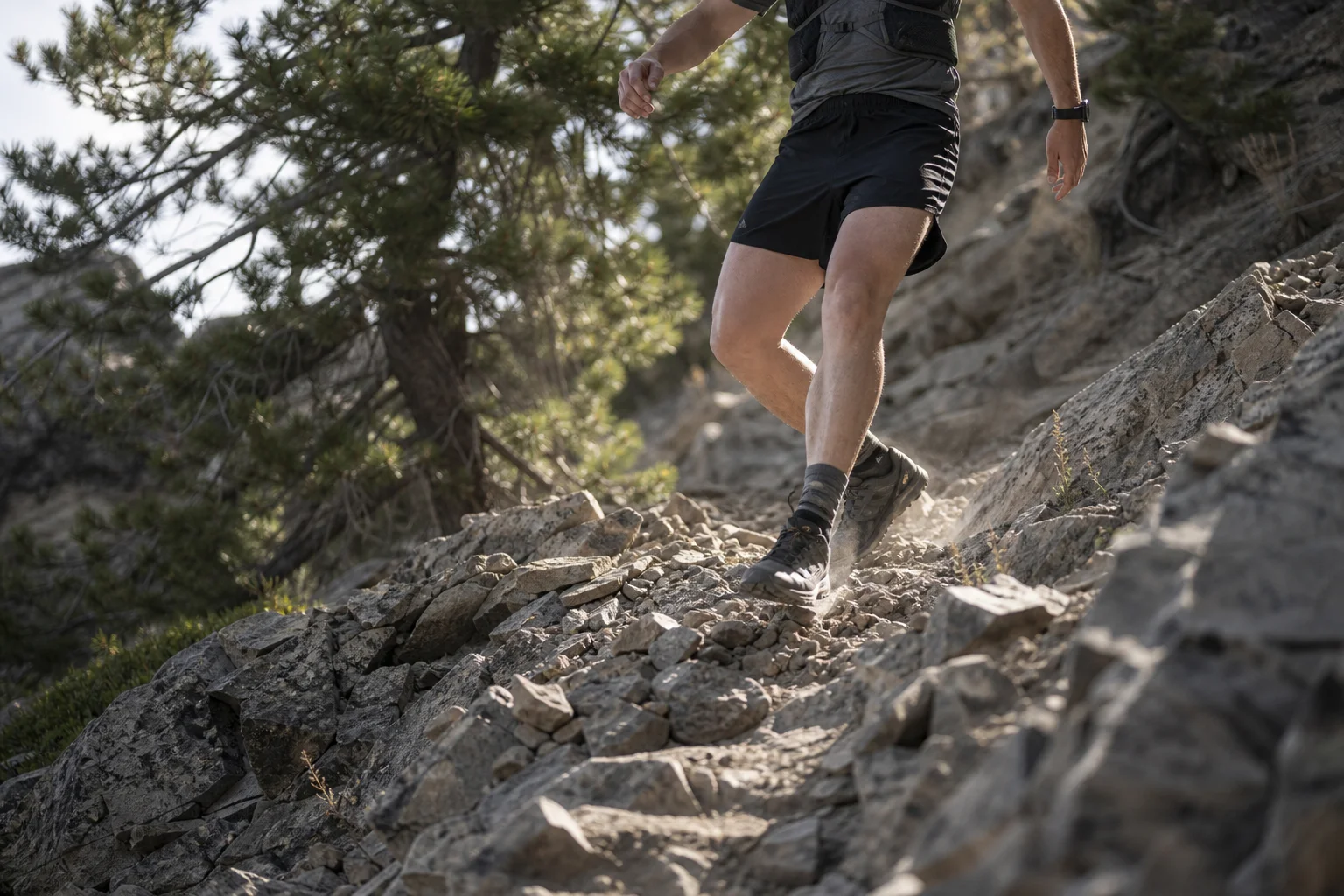
The Endurance Ultra and Speed models are the strongest performers in the lineup. The Endurance Ultra excels for long-distance alpine running where protection and cushioning are priorities, despite its weight. The Speed model suits runners seeking a lighter, more responsive shoe for moderate distances, though the ankle collar issue warrants attention in future iterations.
The All Mountain model occupies an awkward middle ground. It is lighter than the Endurance Ultra but lacks the protection of both heavier models. The mysterious ridge underfoot, soft tongue design, and overall looseness of fit make it feel less refined than the other two. The absence of a Flextron plate, while reducing weight, removes a level of protection that would be valuable in true all-mountain terrain.
Sizing runs true to size for ultra-distance shoes. The Endurance Ultra and All Mountain share a wider last, while the Speed model is narrower. Runners with wider feet may prefer the Endurance Ultra or All Mountain, though the Speed model’s forefoot is workable for most. A half-size down from typical road shoe sizing is common across all three.
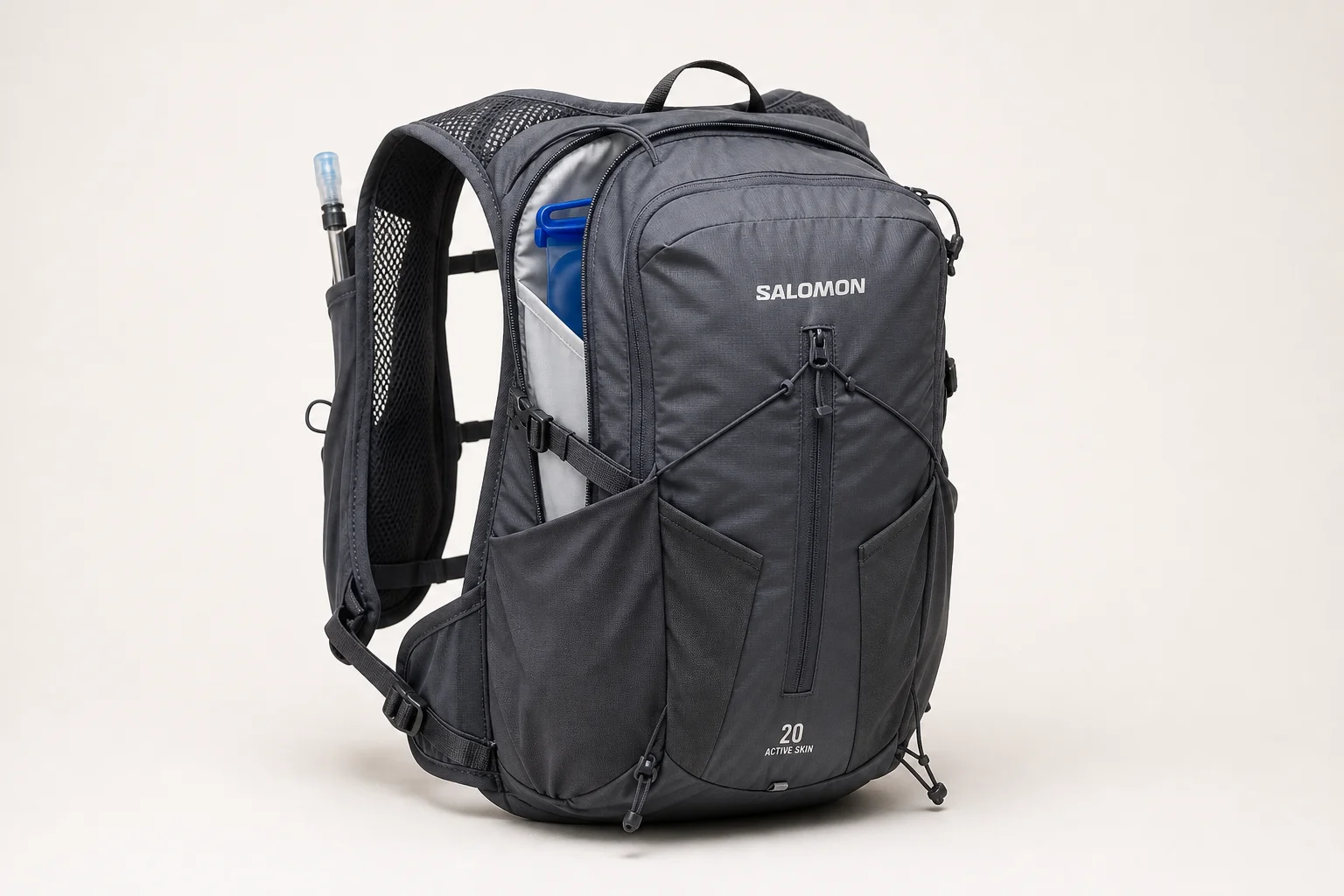
The UltrAspire Traverse hydration pack, used during testing, proved invaluable for carrying multiple shoes during a single run. Its 20-liter capacity, straight panel orientation, and large front pockets accommodate full 800 milliliter flasks without the angling required by other designs. The pack is stable and well-constructed, making it suitable for longer trail runs where shoe changes are necessary.
Conclusion
Mammut’s entry into trail running shows promise with the Endurance Ultra and Speed models, both of which deliver solid performance for their intended purposes. The Endurance Ultra is the choice for runners prioritizing protection and cushioning on rocky alpine terrain, while the Speed model suits those seeking a lighter, more responsive option for moderate distances. The All Mountain model, however, feels like an incomplete design that would benefit from refinement in future iterations, particularly in addressing the midfoot ridge, improving the tongue design, and reconsidering the protection-to-weight ratio. For most runners, the Endurance Ultra or Speed model will provide a more satisfying experience.
Further reading
Related Reviews
Trail Running Shoes
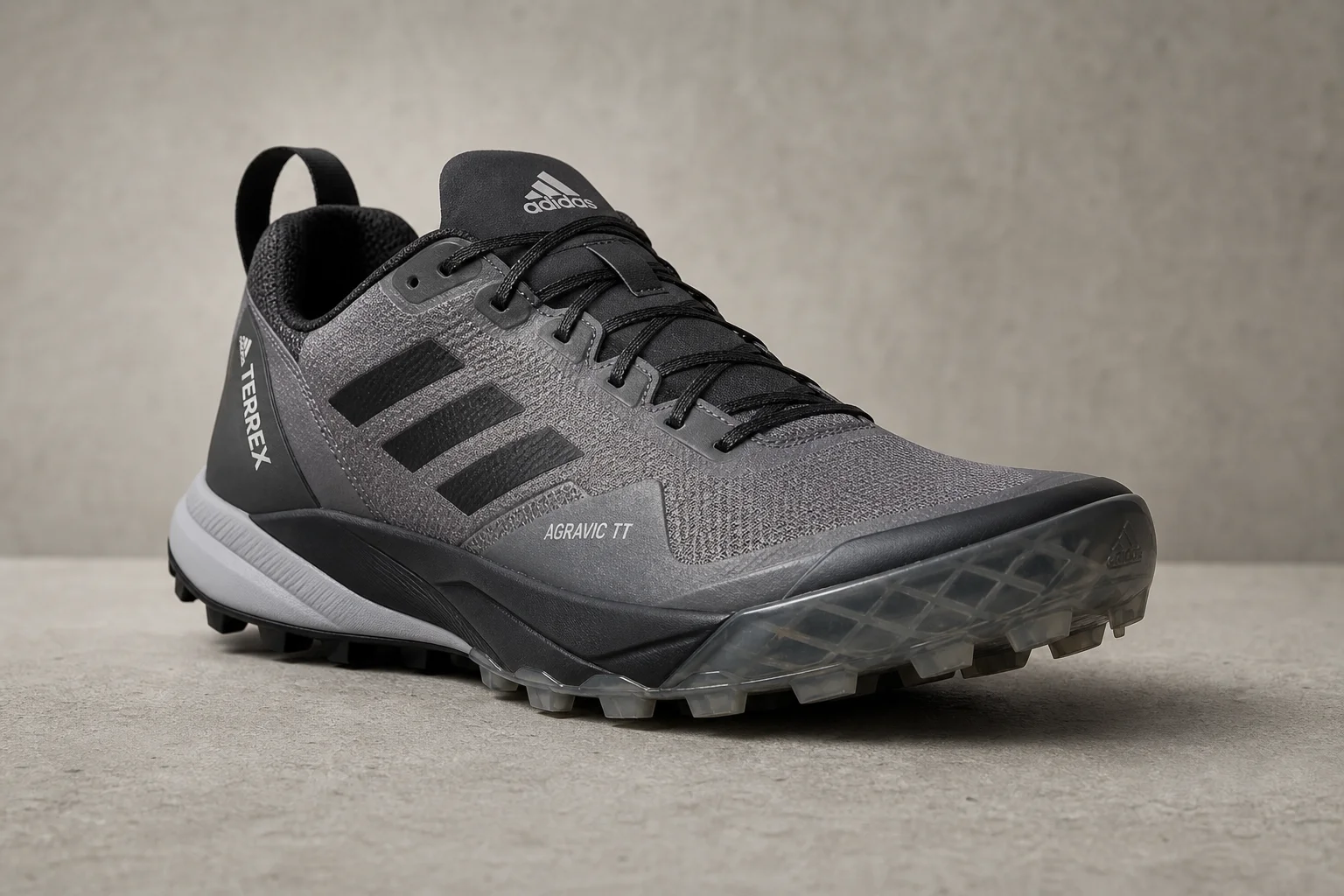
Adidas Terrex Agravic TT Review: A Technical Trail Shoe Built for Rocky Terrain
The Adidas Terrex Agravic TT combines a full-coverage rock plate with a firmer midsole to deliver protection and stability on technical, rocky trails. A capable choice for runners who prioritize underfoot defense over lightweight cushioning.
Trail Running Shoes
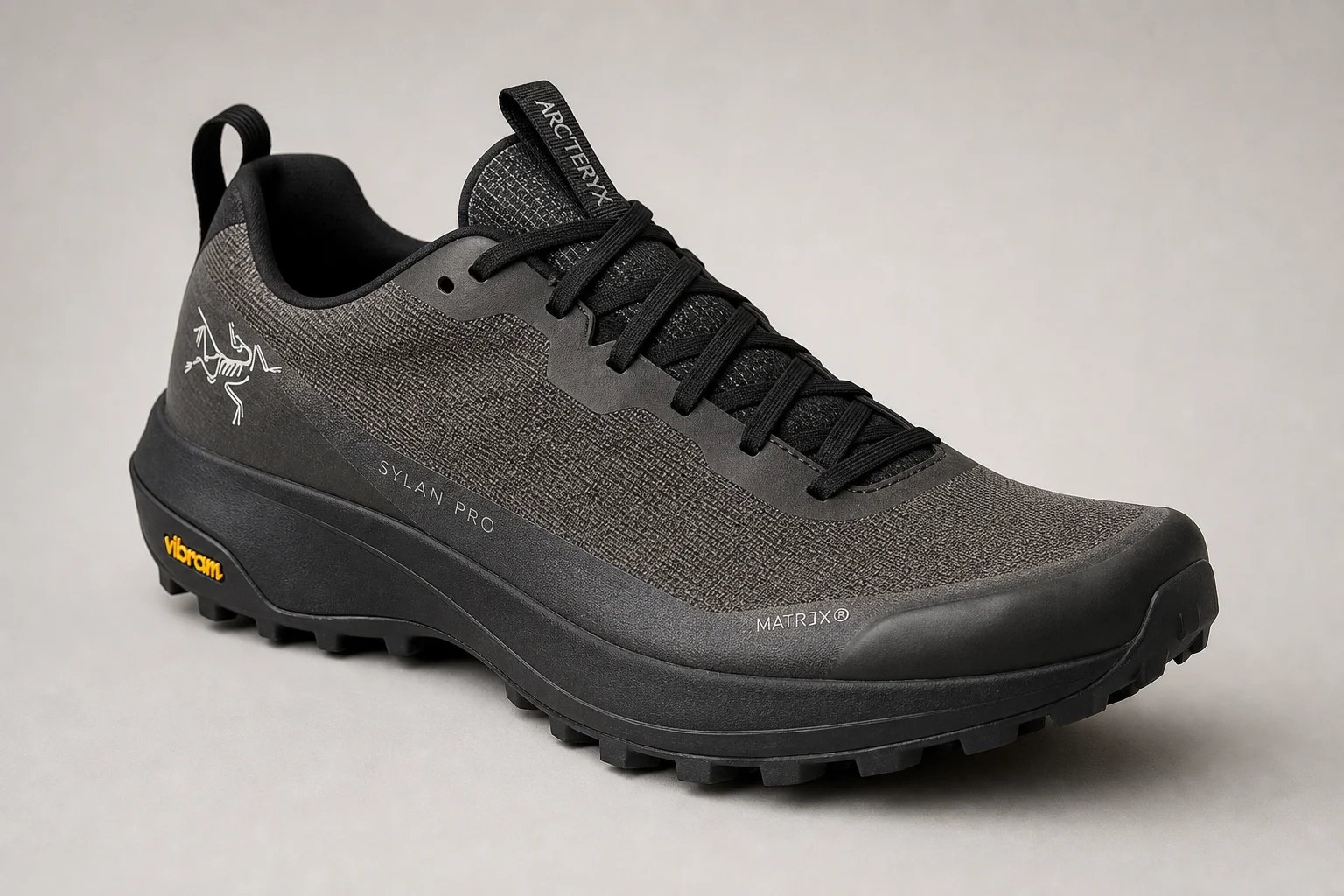
Arc'teryx Sylan Pro Review: A Rocker-Focused Mountain Running Shoe Tested on 20 Miles
The Arc'teryx Sylan Pro brings a pronounced rocker geometry and secure fit to mountain terrain. We tested it on a 20-mile Sawtooth loop to evaluate its climbing efficiency, protection, and handling of technical descents.
Trail Running Shoes
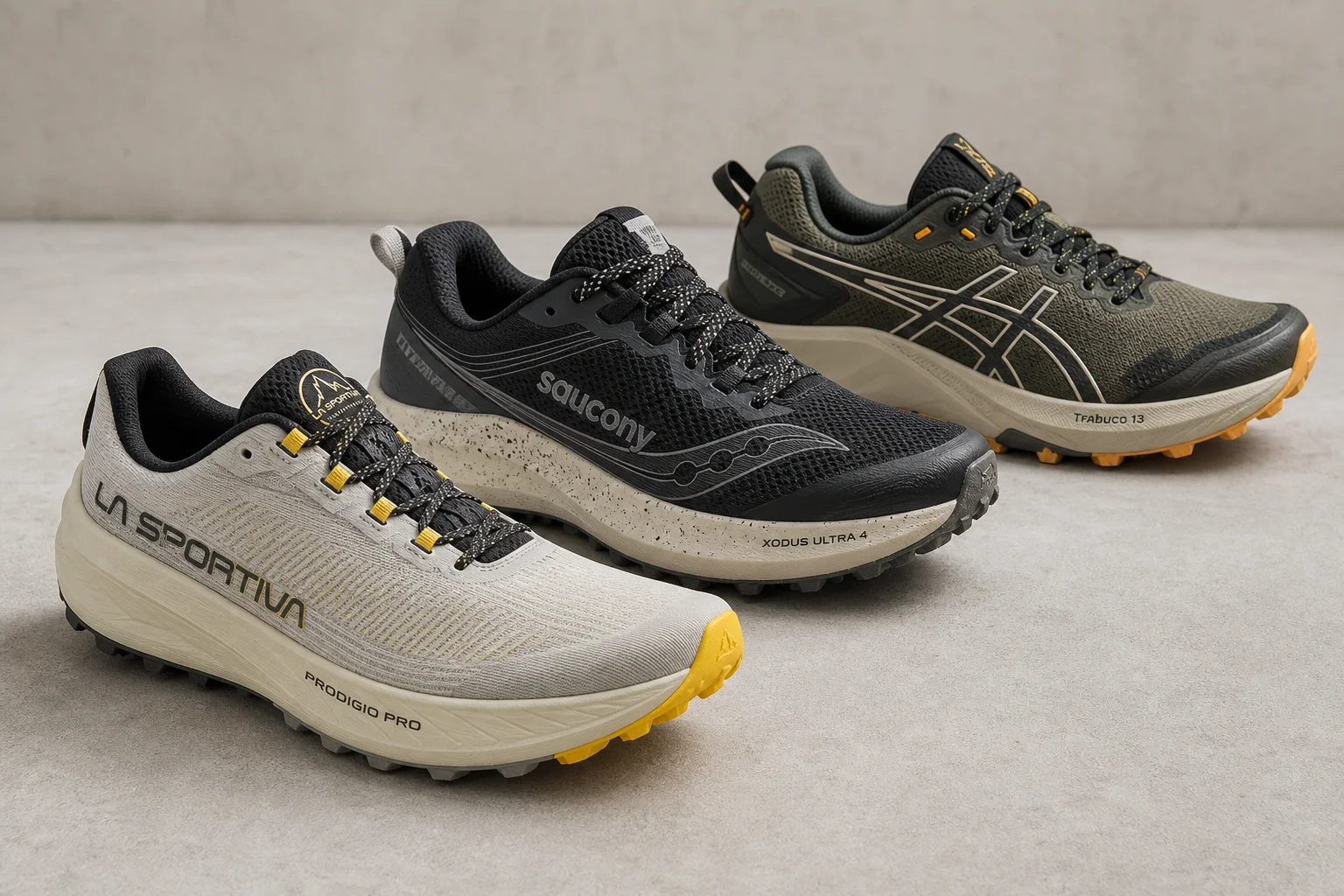
Best All-Mountain Trail Running Shoes: Three Versatile Options for Any Trail
A focused roundup of three all-mountain trail running shoes that handle technical terrain, long distances, and variable conditions with real strengths and practical trade-offs.