Coffee Equipment
Bean-to-Cup Espresso Machines Compared: Six Models from £1,000 to £2,500
A detailed comparison of six automatic espresso machines across shot quality, milk frothing, and user experience. Find which offers the best value and performance for home use.
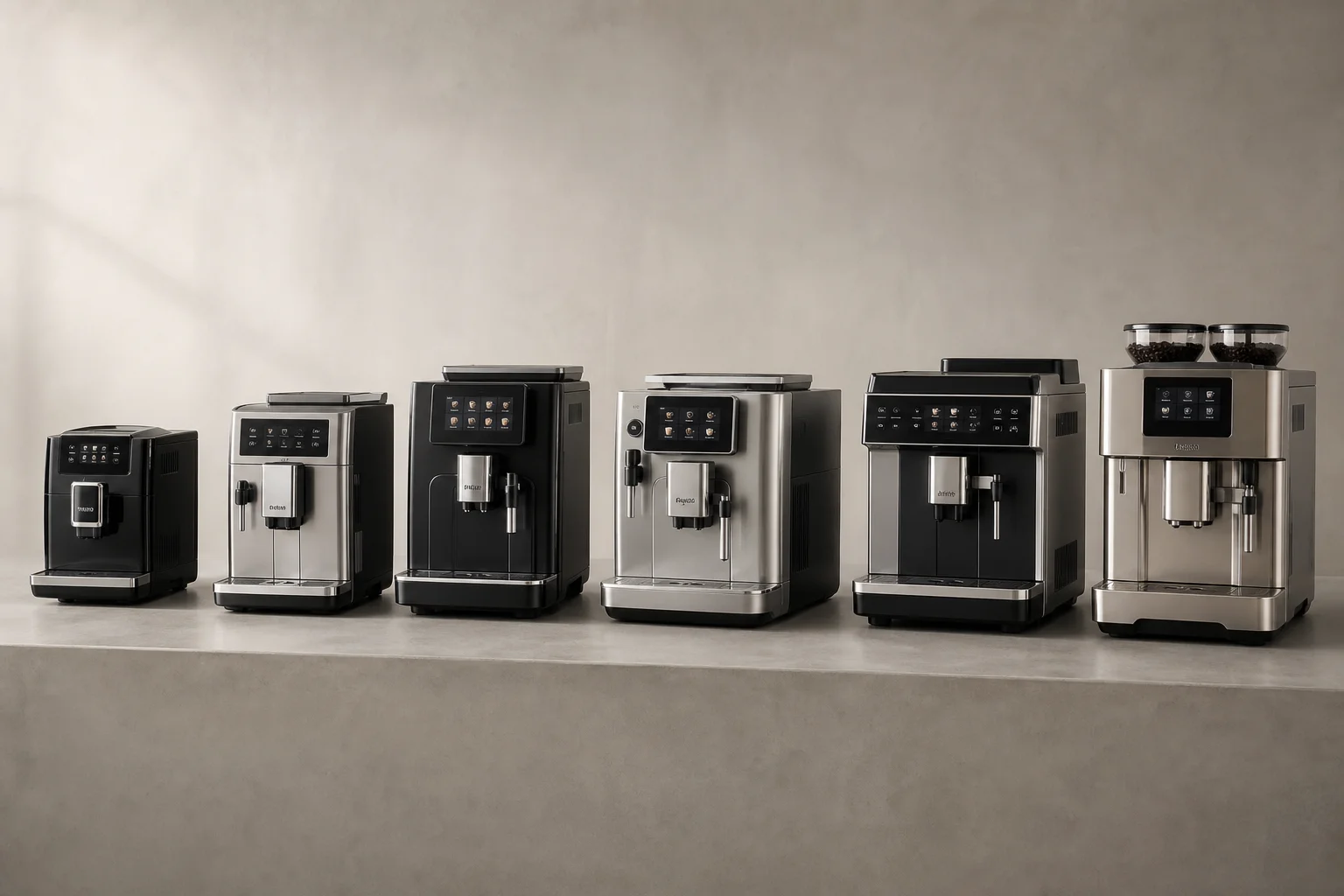
Introduction
Bean-to-cup machines promise simplicity: add beans and water, press a button, receive coffee. Six models ranging from £1,000 to £2,500 were tested to see whether that promise holds true. The focus was on three key areas: how well each machine pulls espresso shots, the quality of automatically frothed milk drinks, and the overall user experience including build quality and interface design.
Espresso Performance Across the Range
Melitta Barista TS (£1,000)
The Melitta is the most affordable machine in this test. It accepts a maximum dose of just under 16.5 grams and produces roughly 55 millilitres of liquid when set to pull 60 millilitres. This ratio works reasonably well.
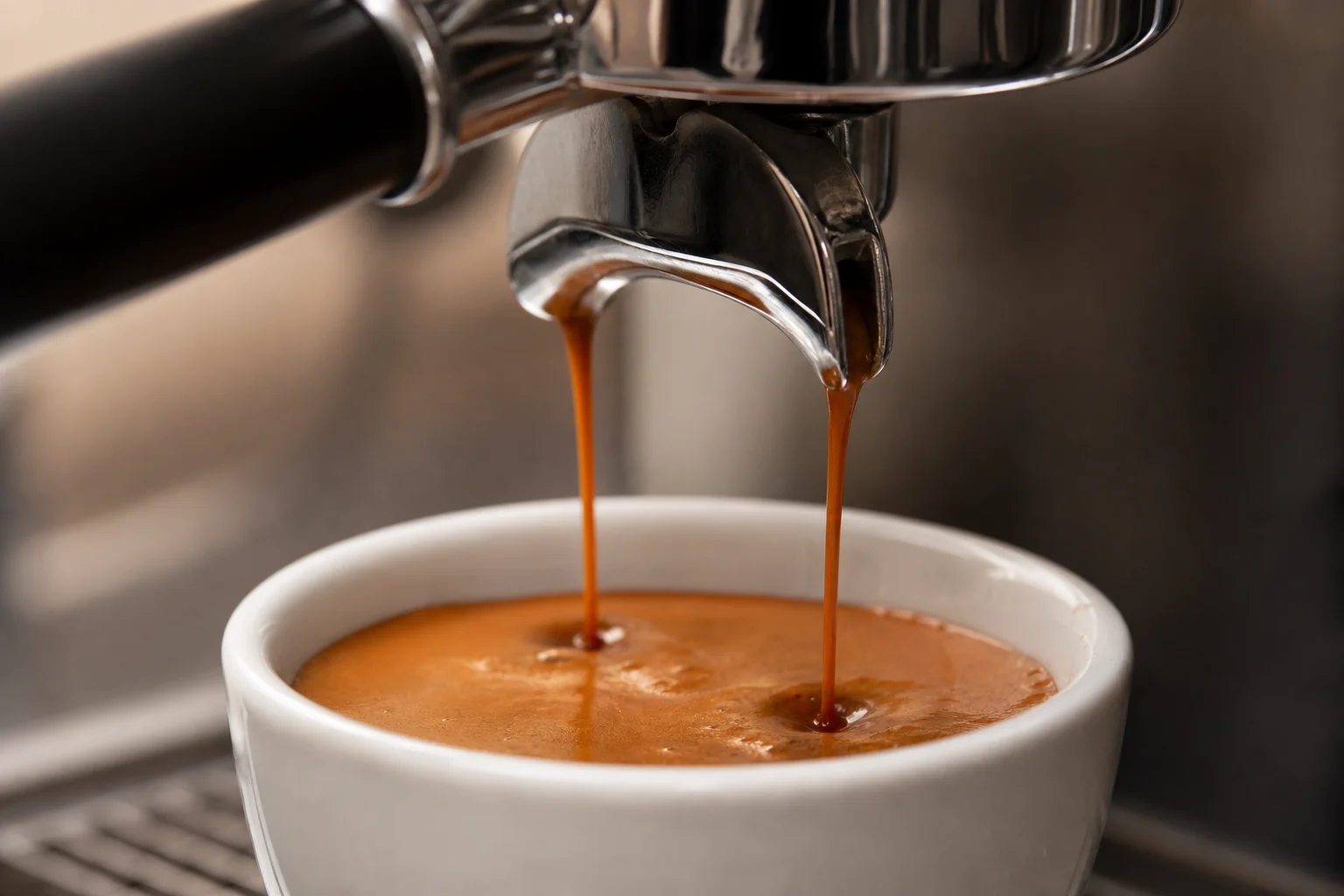
The machine performs some aeration of the crema layer, creating a foamed appearance rather than traditional espresso crema. This looks visually appealing but is somewhat artificial. The coffee itself tastes well-balanced, hitting around 20% total dissolved solids. For the price, the value proposition on espresso quality is solid, though the grind adjustment is discouraged until after 100 shots have been made.
De’Longhi Dinamica Plus (£1,200)
The De’Longhi surprised in testing. It grinds finer than most competitors, though at the finest settings the coffee falls apart and channels badly. The factory temperature was set too low, requiring adjustment to the high setting for proper flavour development.
Maximum dose is around 9 grams, yielding approximately 34-35 grams of liquid for a four-to-one ratio. This produces a smaller but intense shot with good sweetness and balanced acidity. The machine does not artificially aerate the crema, so stale coffee would show obvious flaws. At grind setting three, the results are genuinely impressive for the price point.
Gaggia Accademia (£1,250)
The Gaggia required more dialling-in effort than others. Maximum dose reaches 9.5 grams, and the machine benefits from a longer pre-wet function programmed into the settings. Once adjusted, results are decent but not outstanding. The espresso tends toward a slightly sour character even at higher levels of dissolved solids, suggesting uneven saturation of the coffee bed.
A notable frustration: the grind adjustment knob is difficult to grip without removing the cover, which triggers a magnetic safety switch that disables the machine. Additionally, the machine sometimes expels water from the lines after pre-wetting, which feels unappetizing.
Siemens EQ.9 (£1,700)
The Siemens offers a strength selector that ranges from extra strong to double-shot modes. For this test, the extra-strong setting was used, yielding a maximum dose of 12.8 grams and targeting 50 millilitres of output.
The grind adjustment does not go particularly fine, remaining relatively coarse even at the finest setting. This limits how much dissolved solids can be achieved. At a four-to-one ratio, the shot feels slightly under-developed. With specialty coffee, results plateau around 18-19% dissolved solids, leaving the cup feeling less interesting than it could be. The machine does not artificially aerate the crema.
Jura Z10 (£2,200)
The Jura stands out for its on-the-fly adjustment capability. During brewing, the user can change strength and beverage size within a time window, and these adjustments can be saved as custom programs. Grind adjustment is hidden in a digital menu rather than accessible on the machine itself, which is unusual.
The machine produces the best-looking shots of the group, with a generous and appealing crema layer created through aeration. The maximum dose is 16.5 grams, yielding around 55 millilitres for a balanced espresso. The coffee tastes noticeably good—probably the best of the machines tested—with good texture and fullness that feels closer to traditional espresso than some competitors. The visual presentation may influence perception, but the flavour quality is genuinely strong.
Miele CM7750 (£2,500)
The Miele is substantially larger than the others and frustrating to dial in. The grind adjustment is hidden in a side panel and remains coarse even at the finest setting. Three hoppers feed into a single grinder, creating potential cross-contamination concerns.
The brew process is buried behind multiple menus, and portion size must be set by pressing go, then stopping at the desired point—a method that has not replicated accurately in testing. The machine appears designed for office use rather than home use. The espresso comes across as under-developed, and the machine struggles with light-roast specialty coffees. Of the six machines, this is the weakest performer for espresso quality.
Milk Frothing and Texture Quality
Melitta Barista TS
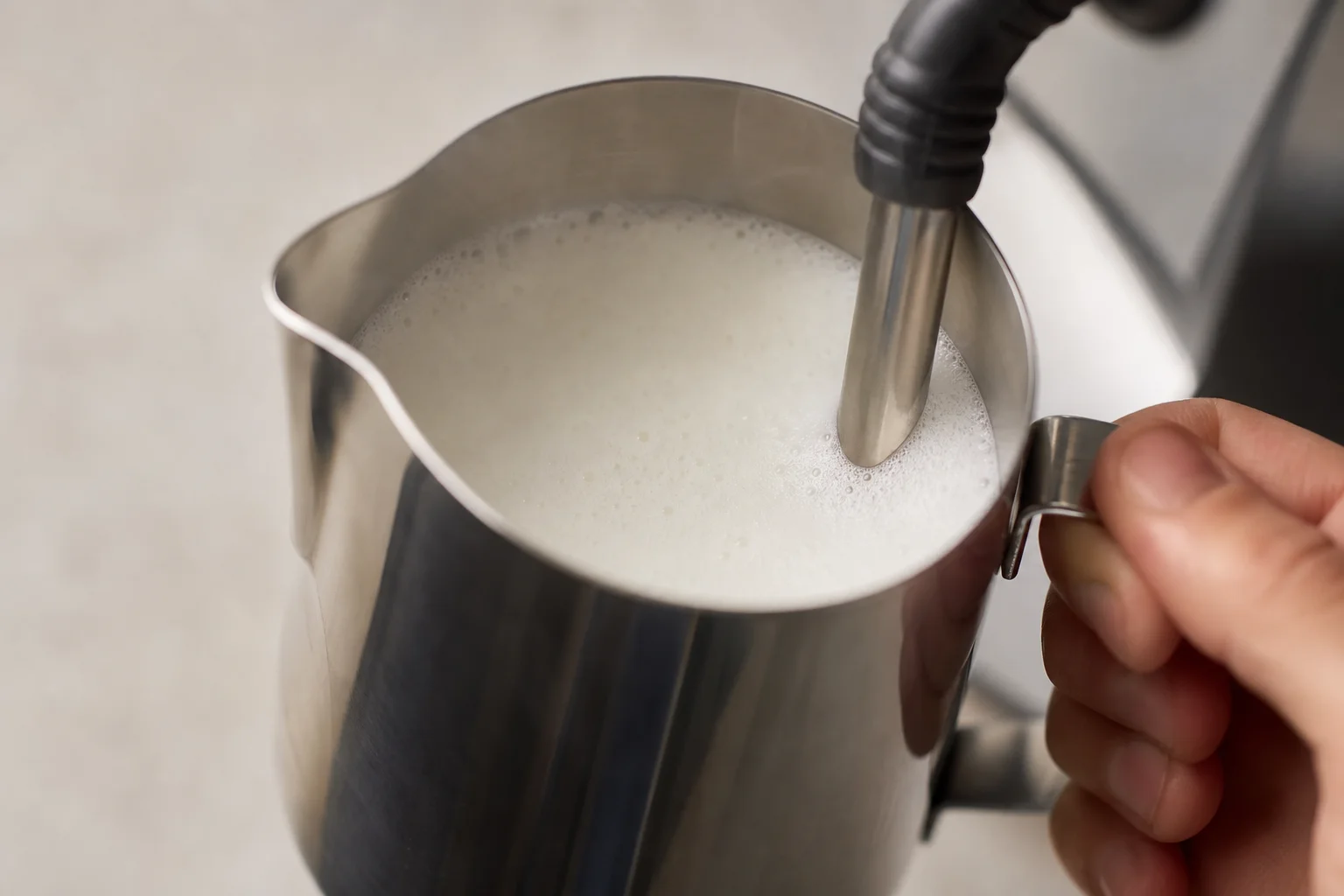
The milk setup uses a side-mounted box with a tube feeding into the brew unit. Texture is adequate but not outstanding. The foam contains some large bubbles and benefits from stirring. Temperature is well-controlled and not too hot. Overall, the drink is reasonable for an automated system, though a traditional machine would produce noticeably better results.
De’Longhi Dinamica Plus
The milk attachment slots into the front where the hot water spout normally sits. The machine delivers milk first, then coffee, creating a latte macchiato-style layering effect. Foam quality is disappointing, with large bubbles rather than tight microfoam. The temperature is acceptable. For a single shot, this represents the maximum drink size, which may be limiting for larger cappuccinos.
Gaggia Accademia
A large carafe clicks onto the front, with a two-position attachment: one for milk delivery into the cup, the other for rinsing the unit into a drain box. Foam texture is comparable to the De’Longhi—adequate but not exceptional. The machine produces an angry purge of steam at the end, which feels like an odd design choice. The drink itself is not bad, with good coffee flavour and proper milk temperature.
Siemens EQ.9
The EQ.9 features an integrated milk tank built into the machine’s side. Foam quality is actually quite good, with tight bubbles and a moussey texture that is not overly dry. The quantity of foam is appropriate. The coffee component lacks some complexity due to the espresso’s limitations, but the milk work is genuinely strong—probably the best milk performance of the group.
Jura Z10
The Jura includes a tube for frothing but no container is included with the machine, despite the £2,200 price. The user must supply their own container or purchase one separately. The cappuccino produced is very foamy, with a good amount of foam that is not overly dried out. Texture rates around 6.5 to 7 out of 10. The taste is good, with proper milk temperature and texture. Drinks like flat whites would likely work even better with this machine.
Miele CM7750
The milk system uses a separate glass container, which feels premium but offers poor thermal retention. The foam quality is quite nice, with tight texture appropriate for a cappuccino, rating around 6.5 out of 10. Temperature is good. However, the process of dialling in milk drinks is cumbersome, requiring the user to fill to the desired point and hit stop, with inconsistent recreation of saved recipes. The espresso component is weak and under-developed, which undermines the overall drink quality.
Build Quality and User Interface
Melitta Barista TS
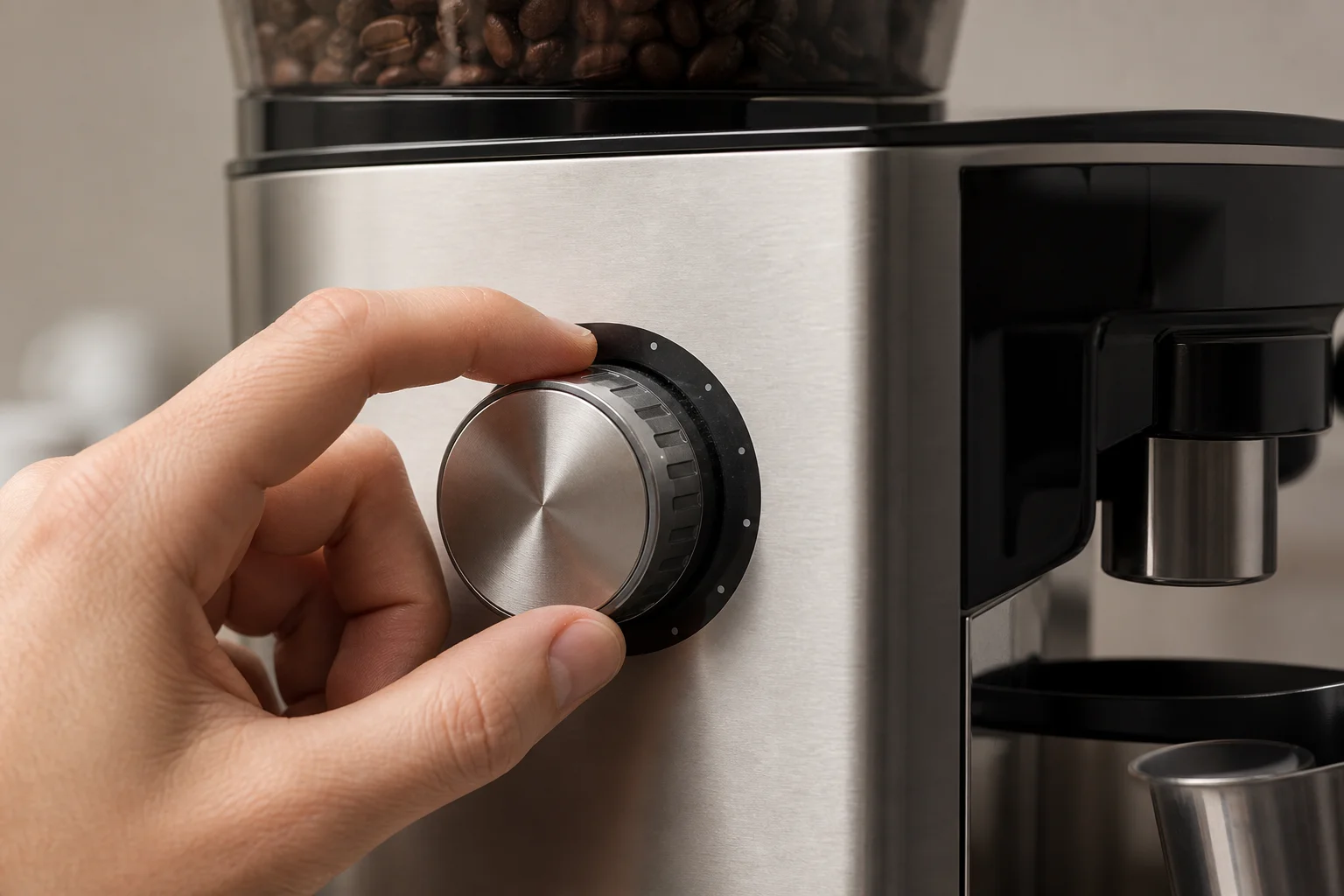
Build quality is acceptable for the price point. The buttons are problematic—the plus and minus controls are unresponsive and irritating to use, though the slider at the bottom is a nice touch. The grind adjustment is hidden in a side panel. The lid sits awkwardly and looks odd. Dual hoppers work but are not particularly elegant. The user interface is frustrating enough that it becomes a deal-breaker despite decent coffee quality. Using these buttons before having coffee would likely cause frustration.
De’Longhi Dinamica Plus
Build feels a little cheap and plasticky, but the footprint is a major win—the machine uses space very cleverly and is compact. The touchscreen is nice, though touch accuracy is slightly low, leading to occasional mis-presses. Programming is convoluted: to adjust espresso size, the user must run the machine, measure output, and stop at the desired point, rather than simply adding millilitres to the next brew. Overall, the experience is okay but not spectacular.
Gaggia Accademia
The user interface is reasonable, not spectacular. The screen is decent, and the overall experience is not bad to work with. The main frustration is the grind adjustment accessibility issue mentioned earlier. For daily use, the machine is manageable, though not delightful.
Siemens EQ.9
There is a noticeable jump in build quality at this price point. The machine looks good and feels well-built. The combination of buttons and display keeps the interface simple for daily use while allowing quick adjustments. The grind controls on the back feel cheap and flimsy, which is a flaw. The inability to grind particularly fine is a limitation. Overall, the UI/UX experience is pretty decent.
Jura Z10
The build feels and looks premium within this category. Details like the weighty bean hopper and responsive touchscreen convey quality. The interface is very simple, with drinks displayed far enough apart to prevent accidental presses. Advanced settings are accessible but kept out of the main view, encouraging focus on coffee-making. The blue LEDs for cold water and warm LEDs for espresso pulling are a nice touch. Hiding the grind adjustment is unusual and requires trusting the machine, but the results justify that trust.
Miele CM7750
For £2,500, the fit and finish are disappointing. The plastic feels cheap, with a glossy finish on one side and a brushed effect on the other that does not work well. Three hoppers with one grinder is an odd feature set—it is unclear when a user would want three different coffees slowly staling in hoppers on top of a warm machine. The machine seems designed for office use rather than home use.
The user interface is problematic. The screen is not particularly attractive, information is poorly presented, and menu navigation is not intuitive. The touchscreen and button layouts are frustrating. The machine also rinsing more frequently than others, which means more water tank refills and drain box empties. Overall, it is difficult to justify the price given the feature set and experience provided.
Value and Final Recommendations
If budget were unlimited, the Jura Z10 would be the choice. At £2,200, it is expensive, but the espresso quality is very good, the build and finish are genuinely premium, the footprint is reasonable, and the user interface is thoughtfully designed. The omission of a milk container is odd, but the overall package is strong. However, £2,200 would also buy a very nice grinder and a very good espresso machine used separately, which would deliver better results with more hands-on involvement.
Within the bean-to-cup category, the De’Longhi Dinamica Plus represents the best value. Despite the advertising that has been poked fun at, it performs very well. The espresso quality is up there with machines costing significantly more. The milk is fine, unspectacular but decent. The footprint is small, the build is solid, and the user interface is good. The question of whether the Jura is twice as good as the De’Longhi is debatable—the De’Longhi is probably the best value machine in this group.
The Melitta Barista TS is also a reasonable performer, delivering good espresso quality for the lowest price. However, the user interface is a deal-breaker for daily use. If the button responsiveness were fixed, it would be much more interesting.
The Gaggia Accademia, Siemens EQ.9, and Miele CM7750 all have merit in certain contexts, but they are outperformed by the De’Longhi and Jura in their respective price brackets. The Miele, despite being the most expensive, is the most frustrating to use and offers the weakest espresso performance.
Conclusion
Bean-to-cup machines do deliver on their promise of simplicity, but quality varies significantly across the range. The best value lies with the De’Longhi Dinamica Plus, which punches well above its price point. For those willing to spend more, the Jura Z10 justifies its premium with superior build quality and user experience. The Melitta offers decent performance at the lowest price but suffers from poor interface design. The Miele, despite its cost, is best suited to office environments and struggles with specialty coffee at home.
Product link
View more details for Melitta Barista TS
This product is mentioned in the review. Check the specifications, options, and compatibility before buying.
View more details for Melitta Barista TSFurther reading
Related Reviews
Coffee Equipment
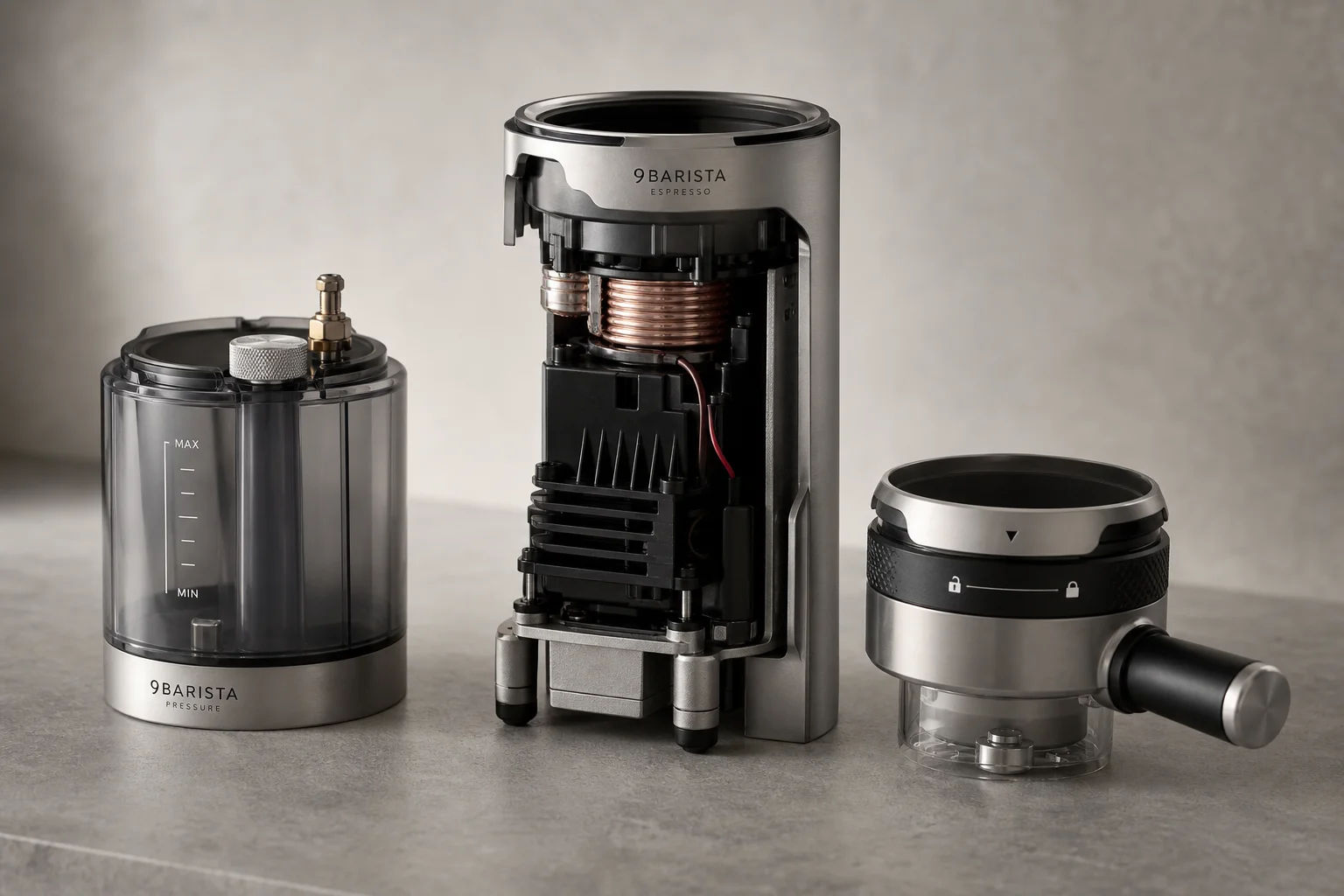
9Barista Espresso Machine Review: Stovetop Espresso for Single-Cup Enthusiasts
A cleverly engineered stovetop espresso maker that generates nine bars of pressure without electricity. Excellent coffee quality, but requires patience and suits solo drinkers only.
Coffee Equipment
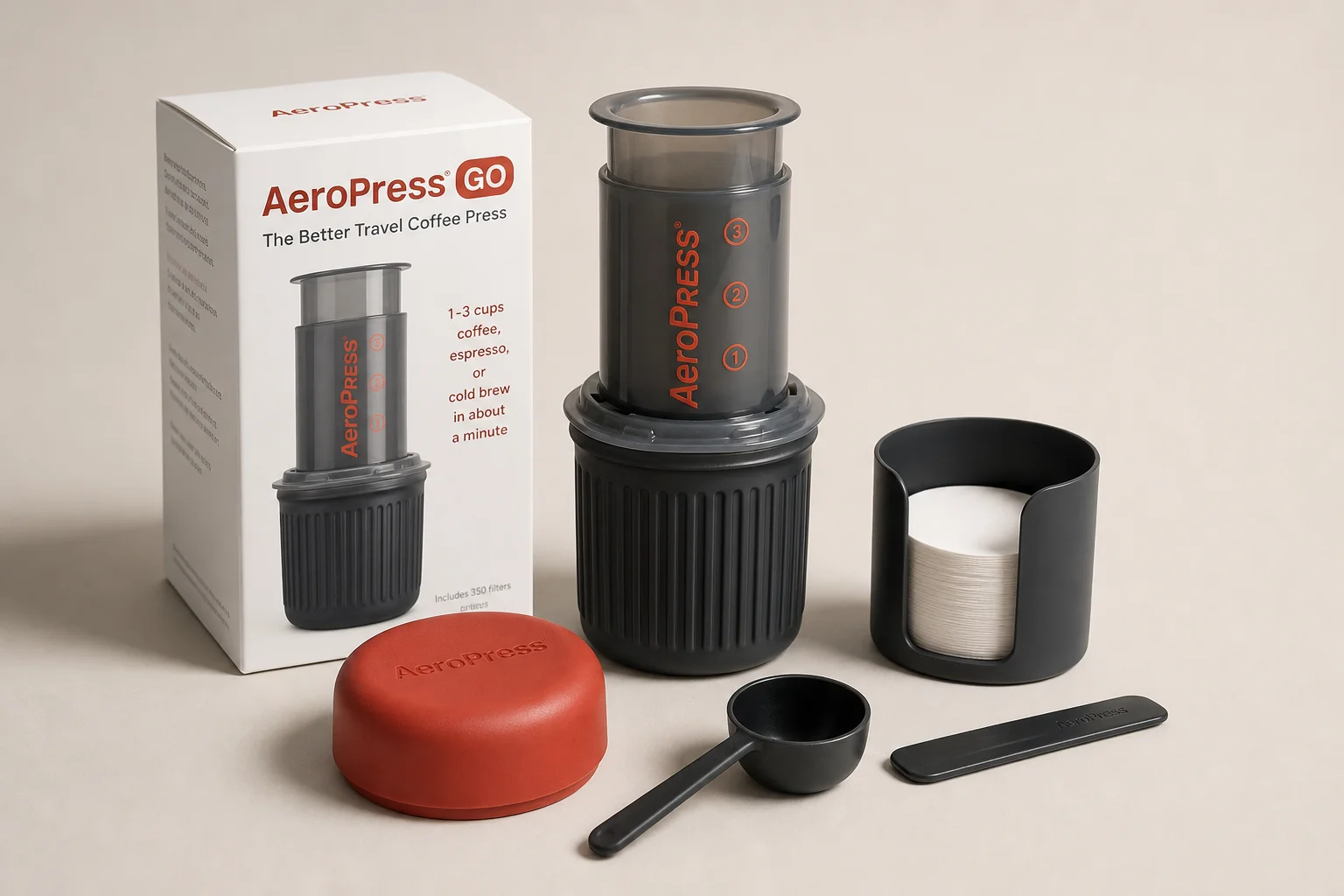
Aeropress Go Review: A Compact Travel Brewer That Solves One Specific Problem
The Aeropress Go shrinks the original design and adds an integrated cup, but it may not address the travel challenges most coffee enthusiasts actually face.
Coffee Equipment
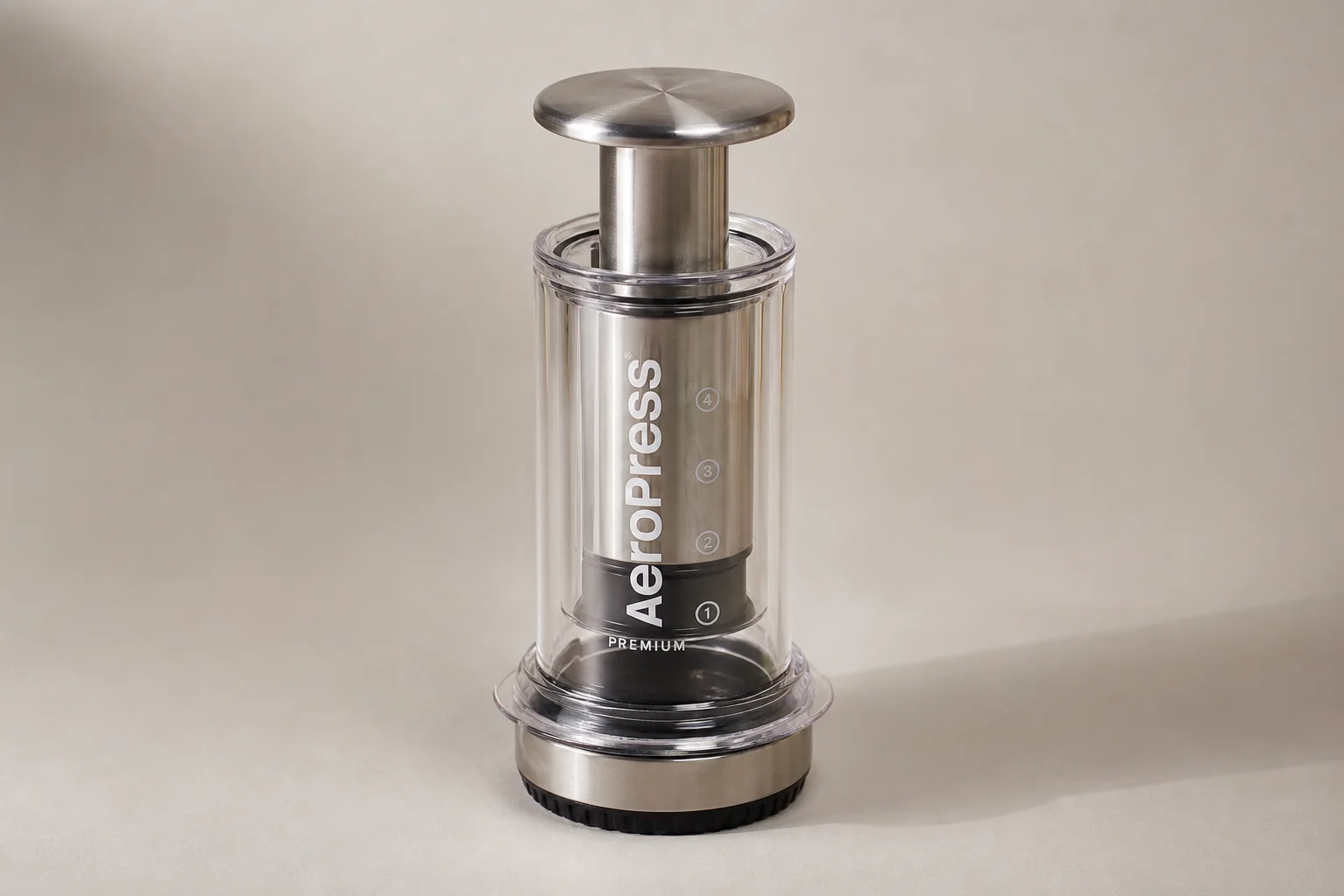
AeroPress Premium Review: Premium Materials, Practical Trade-offs
The AeroPress Premium brings glass and metal construction to a beloved brewer, but trades portability and durability for a more refined feel. Here's what changes in the cup and what matters before you buy.