Coffee Equipment
BEEM vs Melitta EPOS: Two Automated Pour-Over Coffee Makers Compared
A detailed comparison of two automated pour-over brewers: the budget-friendly BEEM and the feature-rich Melitta EPOS with integrated grinder. Which one delivers better coffee?
Introduction
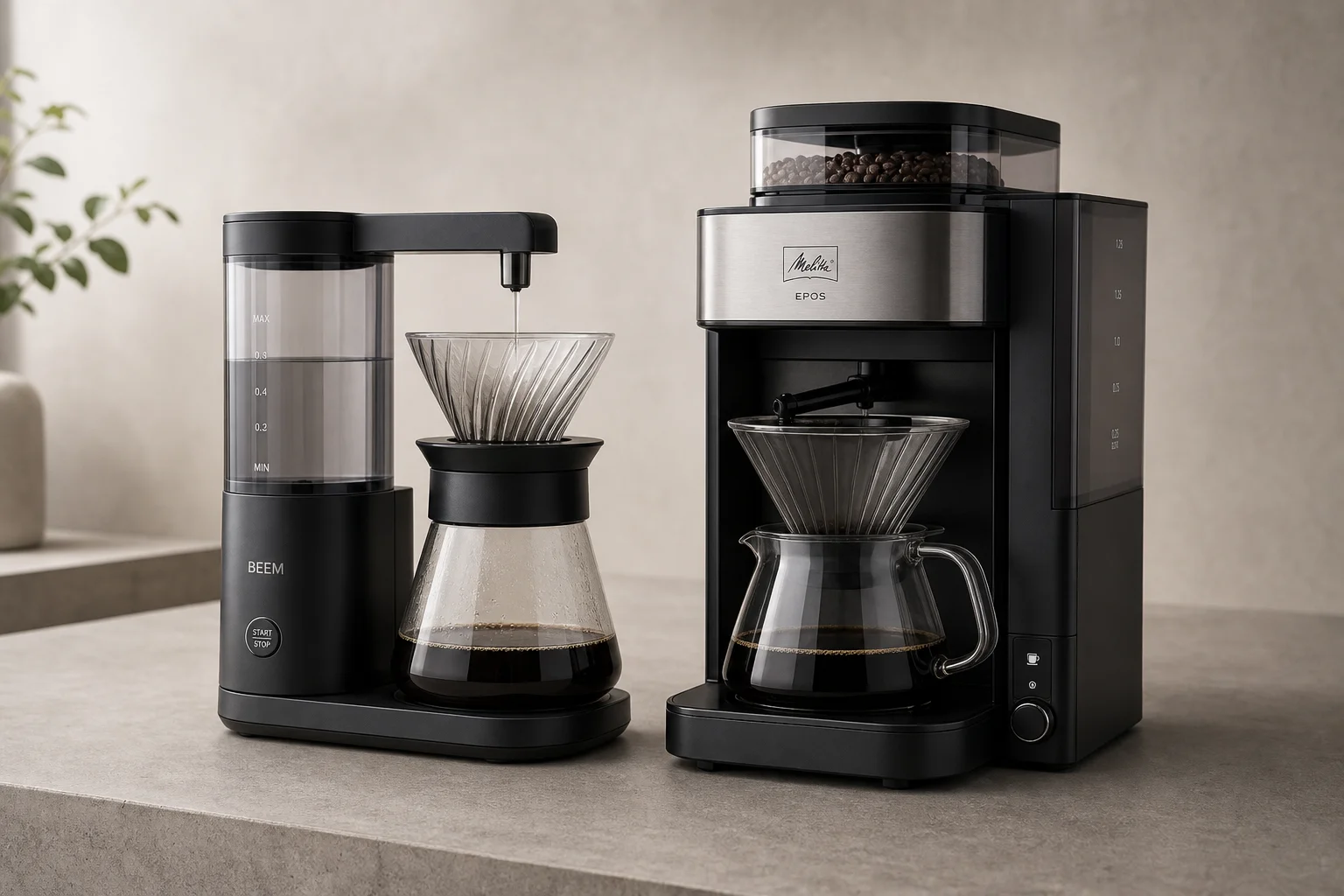
Two automated pour-over coffee makers offer different approaches to hands-off brewing. The BEEM arrives at 169 euros as an affordable entry point, while the Melitta EPOS commands 250 euros and includes an integrated grinder. Both aim to replicate the manual pour-over process through technology, but their execution and design philosophy diverge significantly.
BEEM Pour-Over Coffee Maker
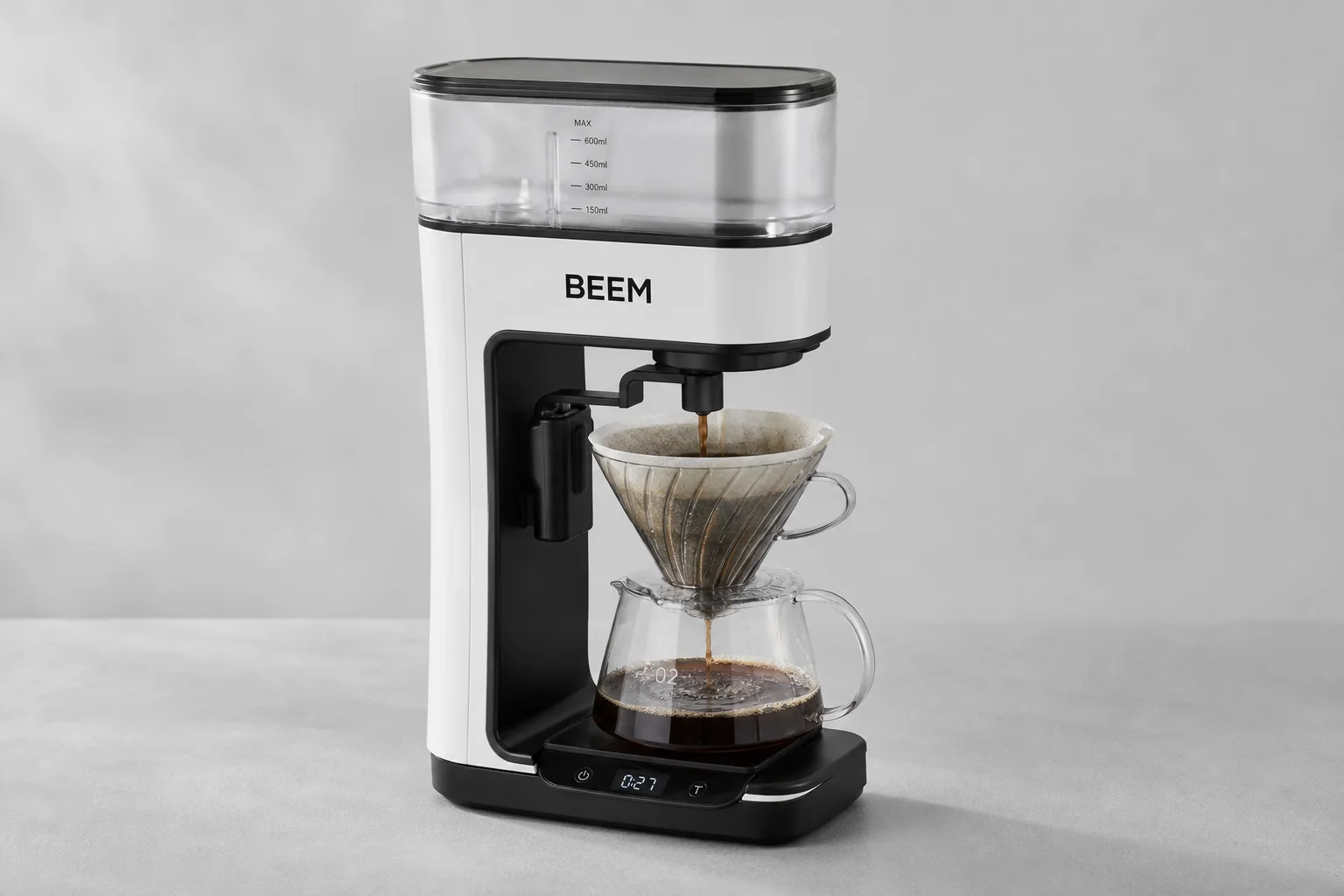
The BEEM is a German-engineered machine that prioritizes simplicity and affordability. At its core sits a water tank that maintains temperature throughout the brew cycle, a rotating pouring nozzle underneath, and a built-in scale that measures brew ratios rather than absolute weights.
The machine operates on a 1:15 brew ratio system, allowing you to add ground coffee and let the scale calculate the required water volume automatically. You can adjust brew temperature (set to 93°C by default) and switch between automatic and manual modes. The automatic mode locks in the 1:15 ratio at 93°C, while manual mode grants control over both ratio and temperature settings.
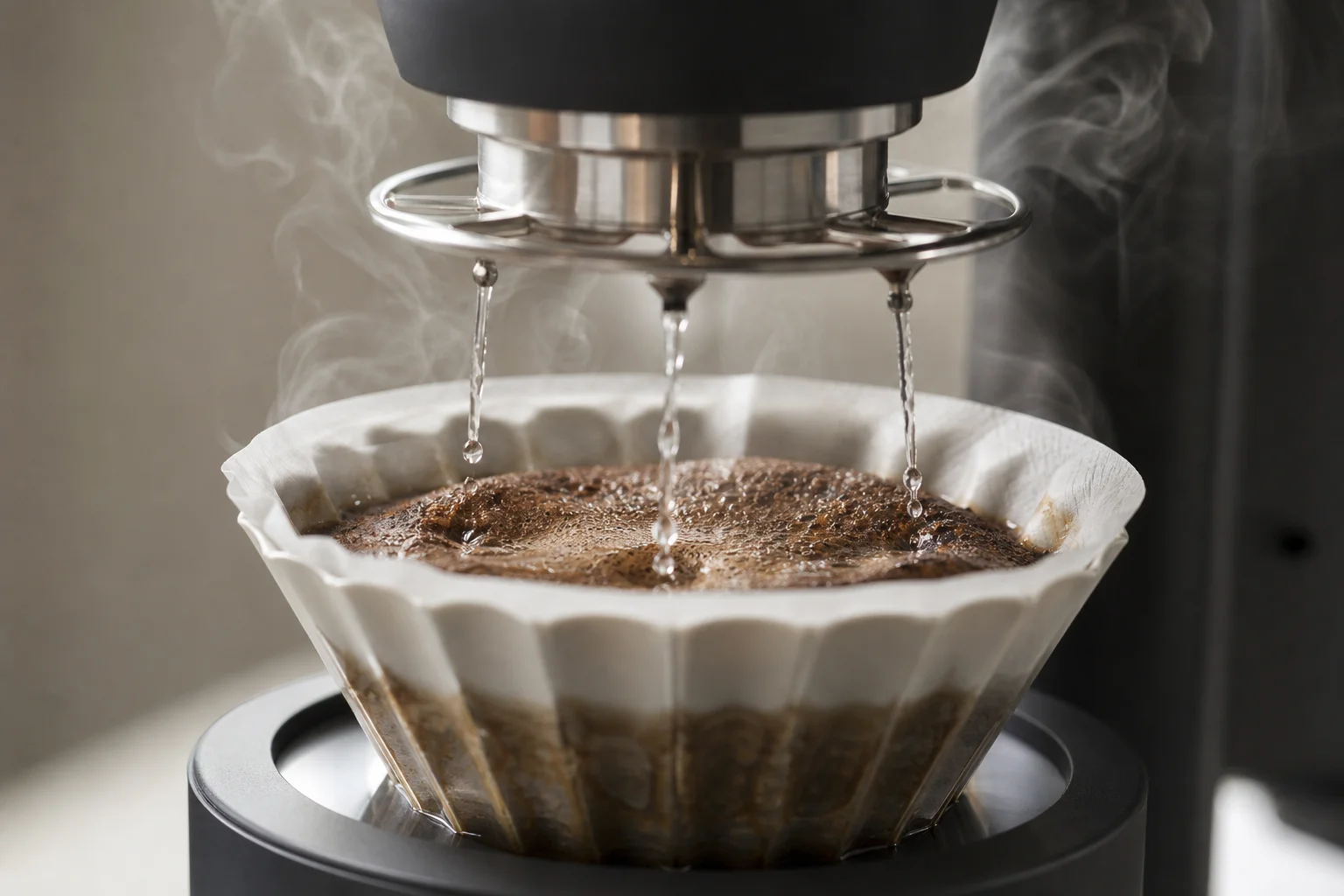
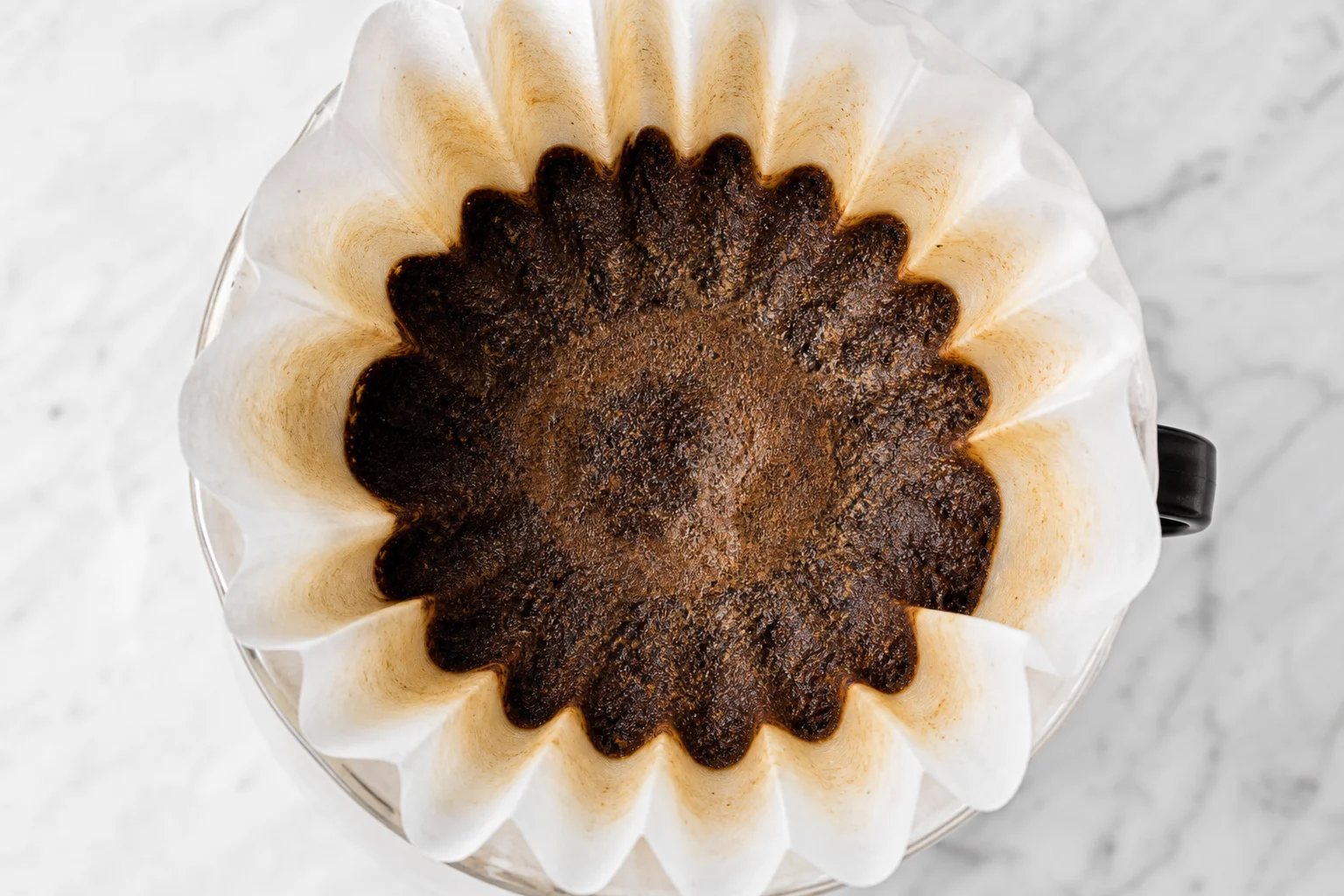
In practice, the BEEM exhibits several limitations. The flow rate during brewing is notably slow, which forces a coarser grind and reduces the agitation needed for proper extraction. The water distribution, despite the rotating mechanism, often produces uneven results with visible crust layers on the coffee bed. The motor runs loudly even when no water is flowing, creating an annoying acoustic experience. Additionally, the machine lacks error handling: if you don’t add enough water, it will brew anyway and simply run dry without warning.
Melitta EPOS: Design and Build
The Melitta EPOS presents a more ambitious design with multiple textures, finishes, and visual elements. At its heart lies the classic Melitta cone shape, paired with a rotating spray arm that distributes water through three different holes at various brew stages. The machine comes bundled with proprietary filter papers designed for faster extraction.
The most significant addition is the integrated grinder, which offers three grind settings: coarse, medium, and fine. However, this grinder introduces complexity rather than convenience. You select your desired brew volume (2, 4, 6, or 8 cups, where each cup equals approximately 125 millilitres), then choose a strength setting (1, 2, or 3) that adjusts the coffee dose. The relationship between these settings and actual coffee weight is inconsistent: the same strength setting produces different doses depending on the coffee type and density.
The grinder suffers from significant static issues when grinding into anything other than the included basket, scattering chaff everywhere. The buttons lack satisfying tactile feedback, and there is no transparency into how much coffee is being ground with each brew.
Brewing Performance
The BEEM’s slow flow rate and uneven water distribution result in extraction that feels incomplete. The coffee tastes hollow in some areas and harsh in others, suggesting the grounds are not receiving consistent contact with fresh water. The low agitation means much of the coffee’s potential remains unrealised.
The Melitta EPOS brews significantly faster and delivers water much more efficiently. The rotating spray arm with three distribution holes proves clever in practice, starting at the centre during bloom and spreading outward as the brew progresses. The resulting coffee bed appears more evenly extracted than the BEEM’s output. The brew is noticeably quicker, and a small stopper inside the cone prevents dripping when you remove the brewer.
Grinder Performance and Control
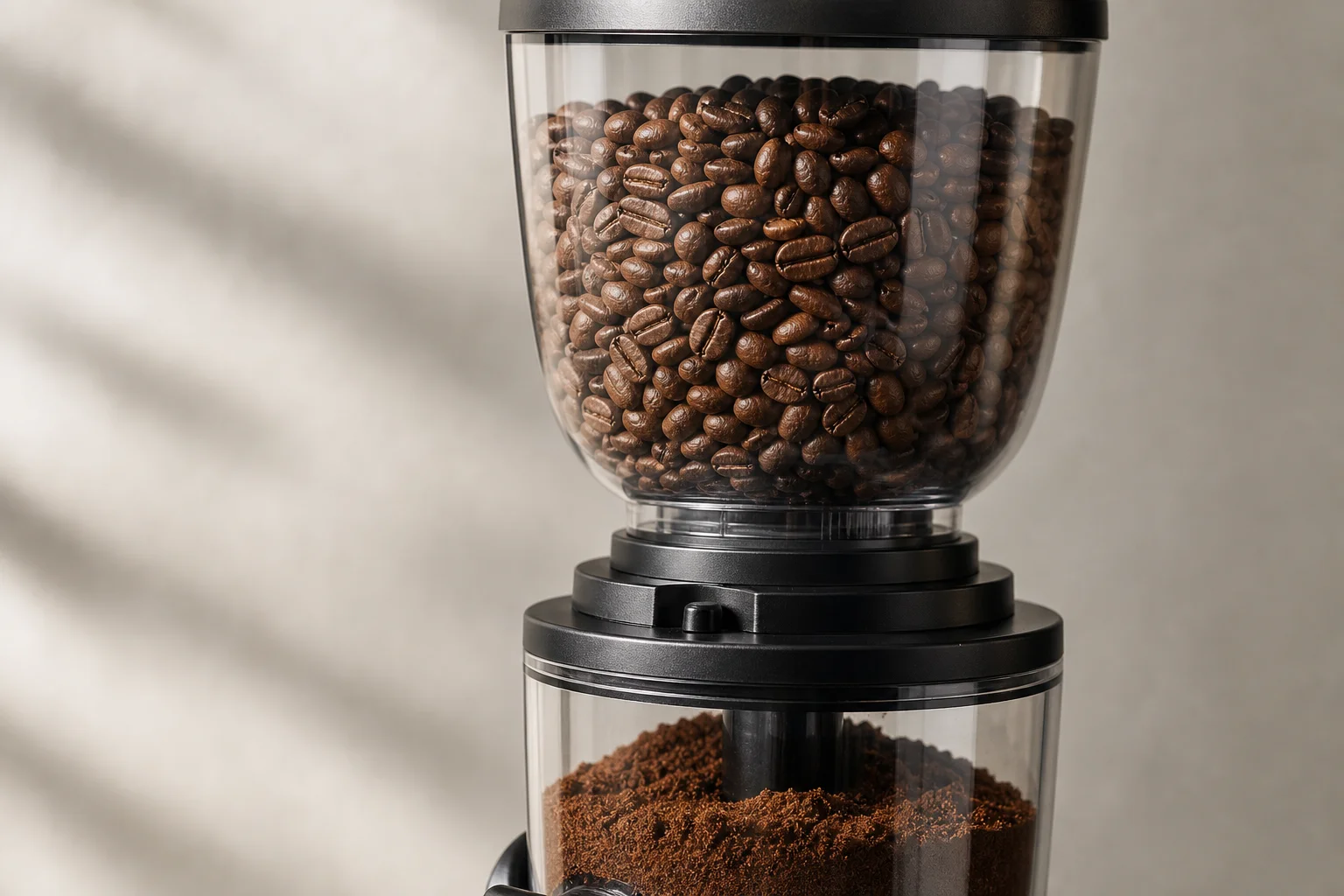
The Melitta EPOS grinder is the source of considerable frustration. With only three grind settings and no real control over dose weight, you lose the ability to dial in your brew precisely. The machine will deliver roughly 50-55 grams per litre of coffee, but this varies based on bean density and roast level. Dark roasts grind faster and produce higher throughput, while denser beans yield less. This inconsistency undermines the machine’s otherwise solid brewing mechanism.
For anyone who already owns a grinder, the bundled unit becomes dead weight, making the Melitta EPOS an unnecessarily expensive proposition. The decision to include the grinder appears to target complete beginners with no coffee equipment, but that audience is rare among automated pour-over enthusiasts.
Brewing Quality and Taste
The BEEM produces coffee that is drinkable but uninspiring. The uneven extraction creates a flavour profile that lacks clarity and balance.
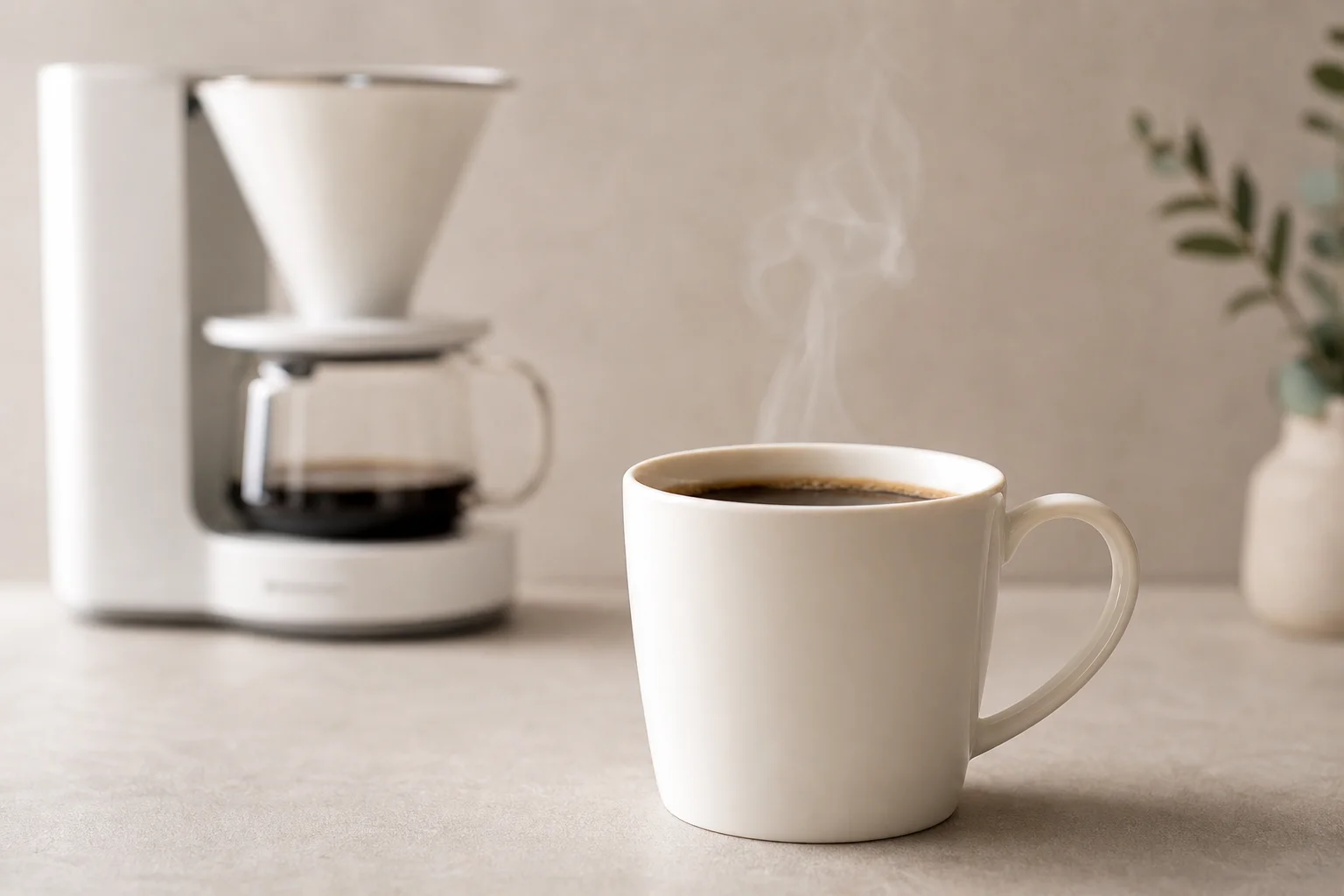
The Melitta EPOS delivers noticeably better coffee. The faster brew speed, efficient water distribution, and improved agitation result in more complete extraction. The coffee tastes clean and well-balanced, though the inability to control grind size means you cannot optimise for different bean origins or roast profiles.
Conclusion
The BEEM feels cheap and plasticky, with a slow flow rate and uneven water distribution that compromise coffee quality. At 169 euros, it offers basic functionality but fails to deliver reliable extraction. The motor sounds inexpensive and raises concerns about longevity.
The Melitta EPOS brews superior coffee with a clever rotating spray arm and faster flow rate. However, the forced inclusion of an inconsistent grinder with only three settings removes control and adds unnecessary cost and bulk. If the Melitta offered a standalone brewer at half the price, it would be a compelling option. As it stands, both machines carry significant trade-offs that limit their appeal to most coffee enthusiasts.
Further reading
Related Reviews
Coffee Equipment
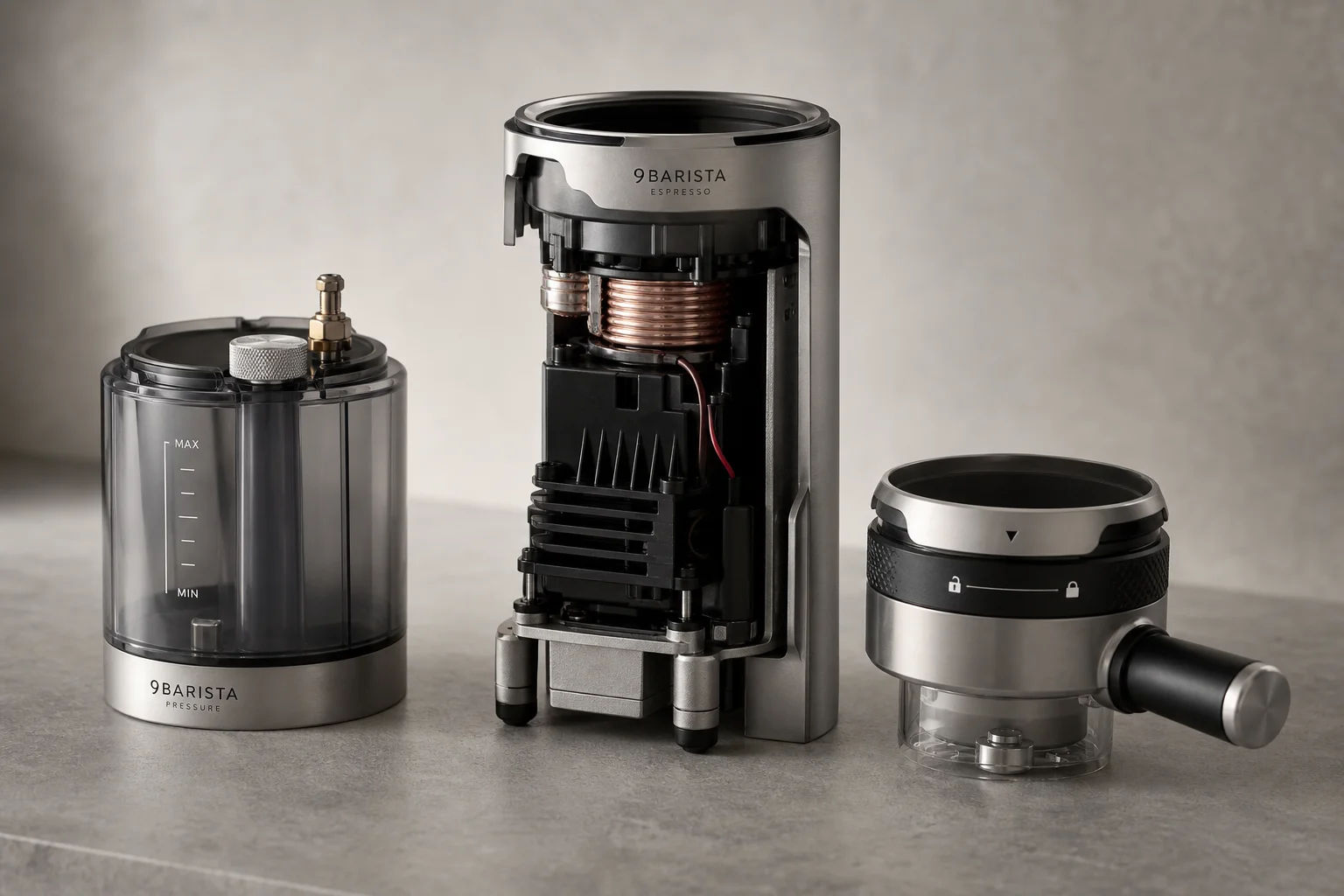
9Barista Espresso Machine Review: Stovetop Espresso for Single-Cup Enthusiasts
A cleverly engineered stovetop espresso maker that generates nine bars of pressure without electricity. Excellent coffee quality, but requires patience and suits solo drinkers only.
Coffee Equipment
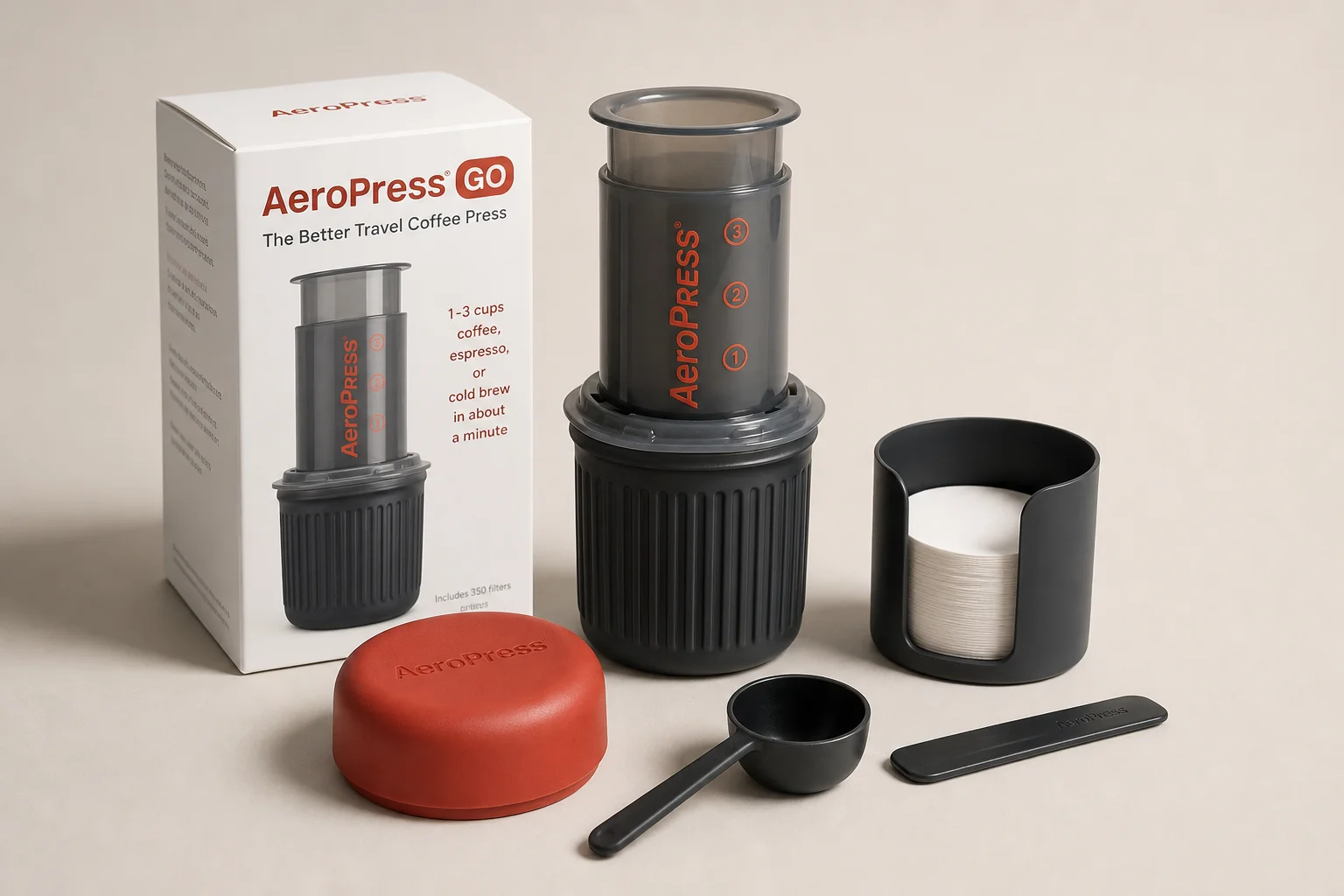
Aeropress Go Review: A Compact Travel Brewer That Solves One Specific Problem
The Aeropress Go shrinks the original design and adds an integrated cup, but it may not address the travel challenges most coffee enthusiasts actually face.
Coffee Equipment
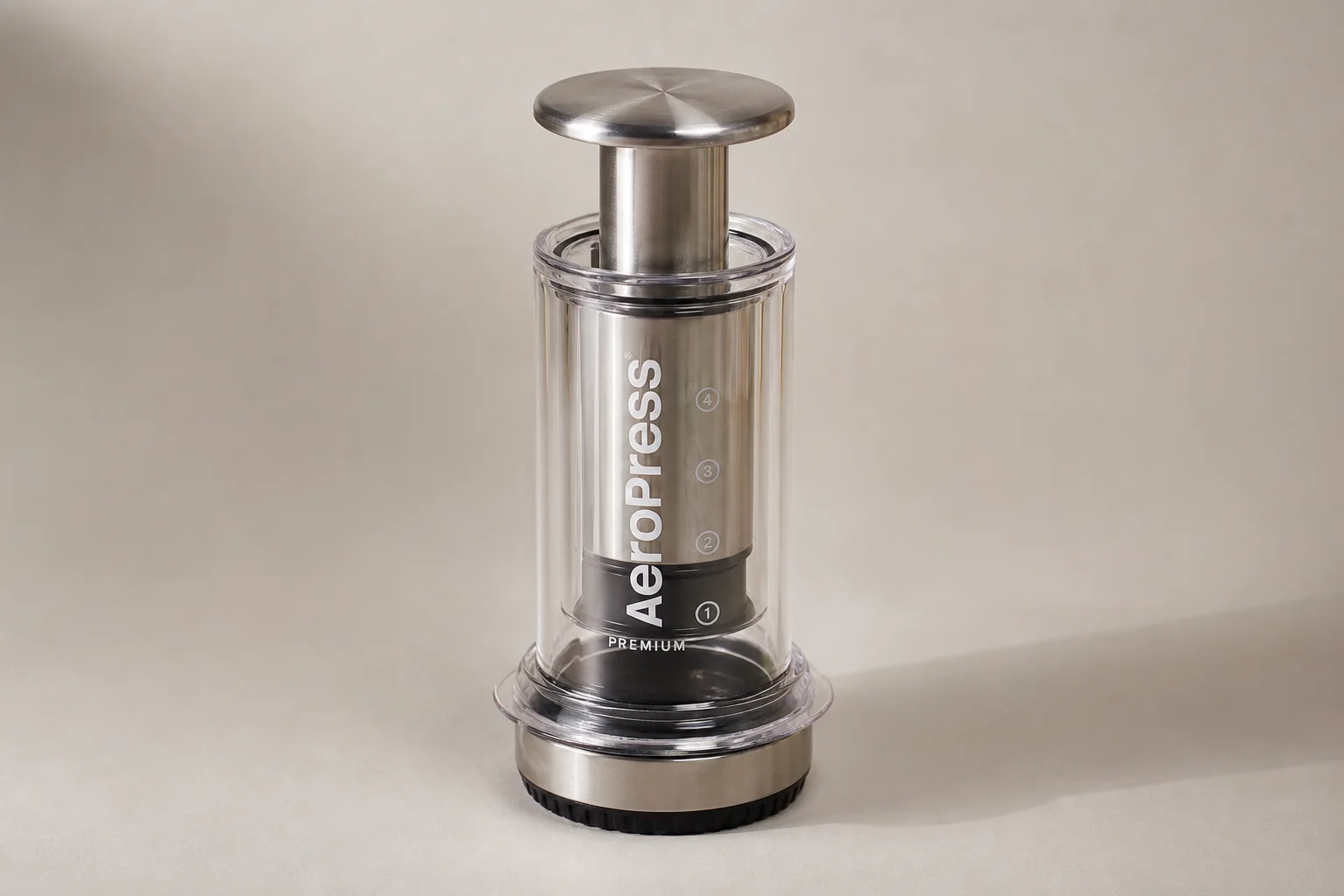
AeroPress Premium Review: Premium Materials, Practical Trade-offs
The AeroPress Premium brings glass and metal construction to a beloved brewer, but trades portability and durability for a more refined feel. Here's what changes in the cup and what matters before you buy.